Corrosion Inhibitor Injection Skid: What You Need to Know
In industrial sectors such as oil & gas, chemicals, and water treatment, corrosion of equipment and pipelines has always been one of the core challenges affecting system safety, operational stability, and service life. Long-term corrosion can lead to leaks, unplanned shutdowns, and even serious safety incidents, while significantly increasing maintenance and operating costs.
The corrosion inhibitor injection skid is a highly effective anti-corrosion solution widely adopted in modern industrial operations. By precisely and continuously injecting chemical corrosion inhibitors into the system, this skid-mounted unit effectively slows down the corrosion process and ensures the long-term, reliable operation of critical assets.
Part 1. What is a Corrosion Inhibitor Injection Skid?
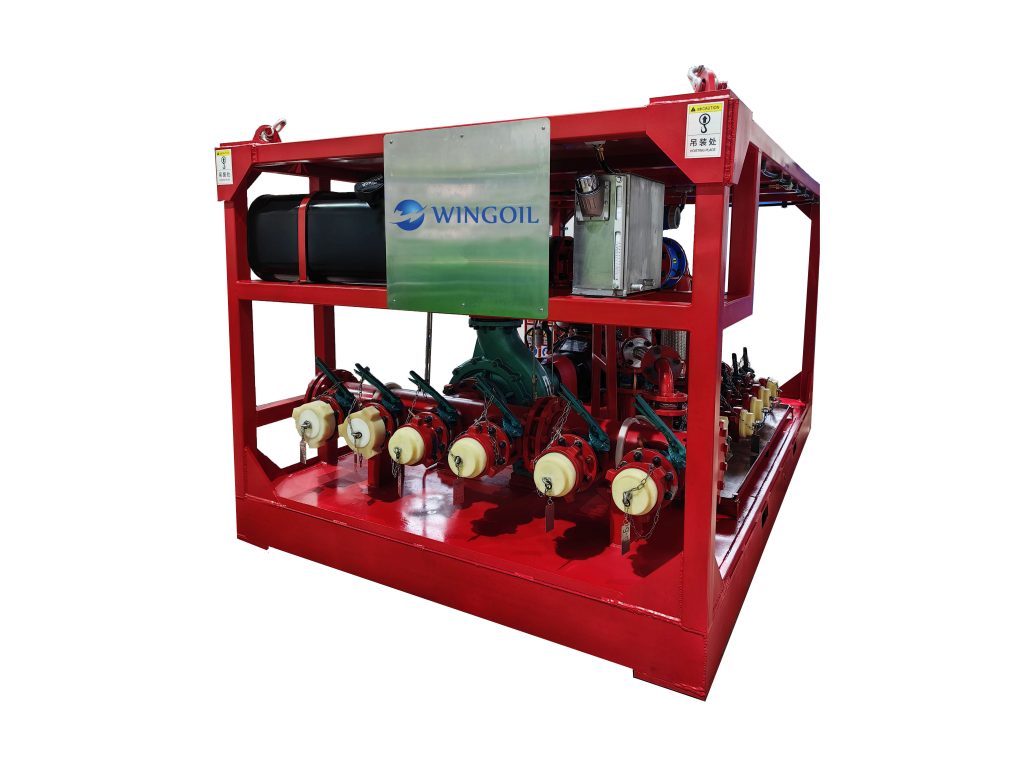
A corrosion inhibitor injection skid is an integrated set of equipment used for the delivery of corrosion inhibitors into the pipeline or equipment at a specified flow rate and consistent pressure. It protects the surface of the metals by slowing the rate of the corrosion reaction.
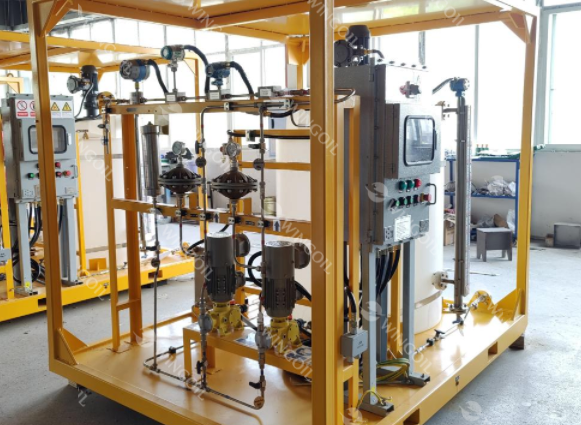
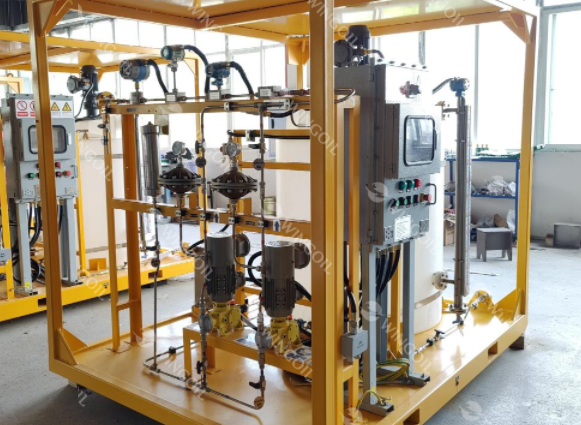
This set of equipment is often assembled in skid form, which consists of various components such as storage tanks, pumps, piping, valves, and control systems assembled on a steel base. This type of equipment can easily be transported, installed, and commissioned compared to the decentralized installation method. Reliability, standardization, and maintenance of the skid-mounted type of equipment are better compared to the decentralized type.
Part 2. Working Principle of a Corrosion Inhibitor Injection Skid
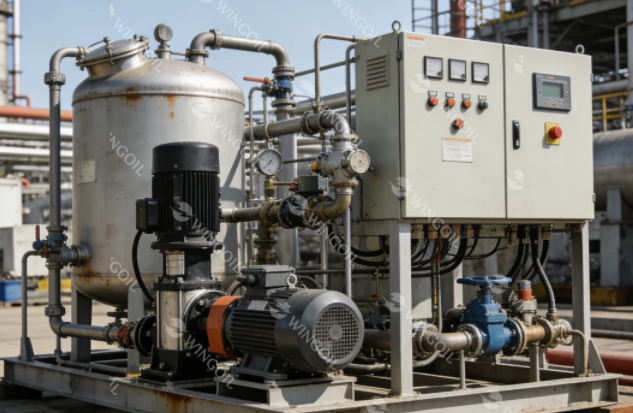
The main function of a corrosion inhibitor injection skid is to provide accurate, continuous, and fully controlled chemical dosing, irrespective of the conditions, and thereby effectively reduce the corrosion in the pipelines and equipment. The basic working principle of the corrosion inhibitor injection skid is as follows:
Firstly, the corrosion inhibitors are stored in a chemical storage tank designed specifically for the purpose. These storage tanks are usually made of corrosion-resistant materials and are sometimes fitted with level indicators, breather valves, and safety accessories to provide a stable chemical storage environment.
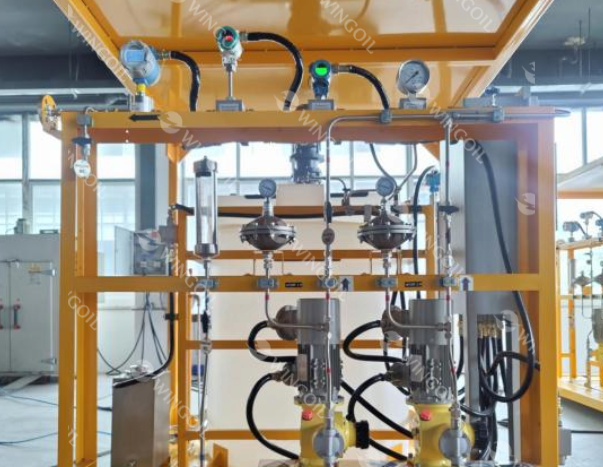
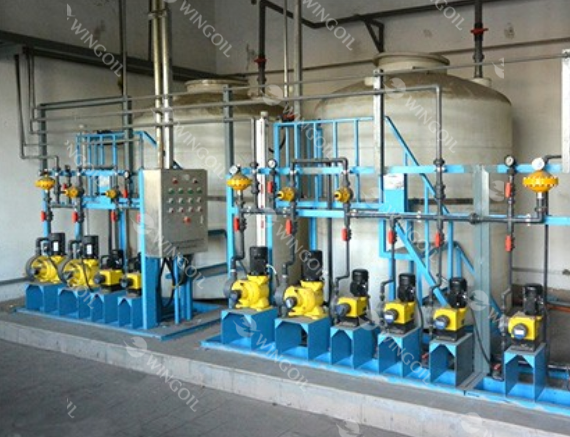
After the storage, the corrosion inhibitors are pumped into the system with the help of a metering pump, which is set to operate at a specific pressure and flow rate. Depending on the chemical properties and required dosing accuracy, diaphragm pumps or plunger pumps are commonly used to ensure precise and repeatable injection performance.
The inhibitor is then delivered through high-pressure injection piping to the designated injection point. The piping system is usually fitted with check valves, filters, and safety valves to prevent backflow, protect the pump from contaminants, and safeguard the system against abnormal pressure conditions.
At the injection point, the corrosion inhibitor is introduced into the pipeline or equipment and thoroughly mixed with the process fluid. As the fluid flows, the inhibitor is evenly distributed along the internal surfaces of the system.
Moreover, the inhibitor forms a protective layer after coming over the metal surface, in order to avoid any contact with the various corrosive agents.
The skid for injection of such a corrosion inhibitor may function intermittently or continuously and adjust the rate of injection according to the pressure, flow rate, or process needs. This ensures that the corrosion protection levels are sufficient while also ensuring a good consumption of the chemicals.
Part 3. Main Components of a Corrosion Inhibitor Injection Skid
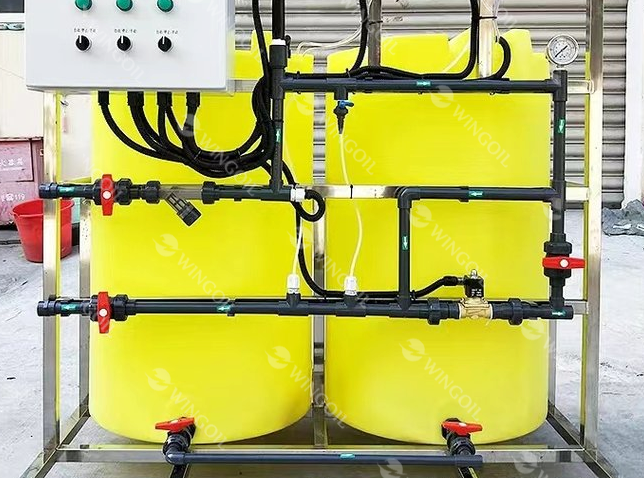
A standard Corrosion Inhibitor Injection Skid is a fully integrated system designed for accurate and safe dosing of chemicals. The system consists of the following components, each of which is vital for the performance and safety of the system:
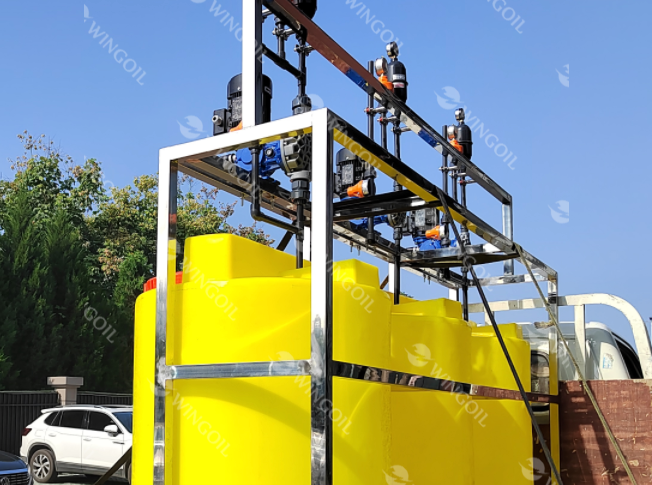
Chemical Storage Tank
A chemical storage tank is used for the storage of the corrosion inhibitor prior to injection into the system. The material used for the tank depends on the chemical properties of the corrosion inhibitor and the working conditions, with common materials including carbon steel, stainless steel, and plastic materials such as PE and PP.
Metering Pump/Chemical Dosing Pump
The metering pump is a critical dosing component, used to accurately inject a precise amount of inhibitor into a process. A variety of pumps, including plunger pumps and diaphragm pumps, are used, depending on factors such as required pressure, accuracy, and chemical resistance. Sometimes, variable-speed drives or stroke adjustment systems are used to optimize dosing rates.
Injection Point/Injection Quill
The injection point, with its quill or lance, is used to inject the inhibitor into the process pipeline. The component is used to ensure proper mixing while avoiding erosion, backflow, or pipeline wall damage. Proper design is critical to ensure proper mixing.
Piping and Valve System
The piping network connects all system components and transports the inhibitor from the storage tank to the injection point. It is typically constructed from corrosion-resistant materials and includes isolation valves, check valves, and flushing connections. This system ensures leak-free operation, safe chemical transfer, and ease of maintenance.
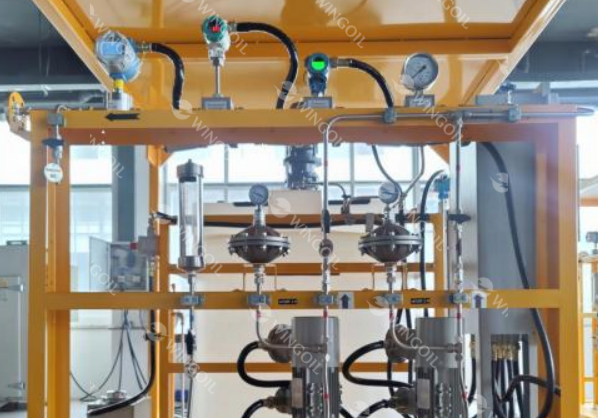
Safety Valves and Pressure Relief Devices
To protect the system from overpressure conditions, safety valves and pressure relief devices are installed at critical locations. These components automatically release excess pressure, preventing equipment damage and ensuring safe operation under abnormal conditions.
Flow Meters and Pressure Gauges
Flow meters and pressure gauges provide real-time monitoring of injection flow rates and system pressure. These instruments allow operators to verify dosing accuracy, detect abnormalities early, and maintain consistent corrosion inhibition performance.
Control System (PLC or Local Control Panel)
The control system manages pump operation, dosing rates, and system logic. Depending on project requirements, it may be a PLC-based system or a local control panel with manual and automatic modes. The control system can be integrated with plant DCS/SCADA systems to enable remote monitoring, alarms, and data logging.
Skid-Mounted Base Structure
All components are mounted on a robust steel skid base, providing structural support and alignment. The skid-mounted design allows for factory pre-assembly, testing, and commissioning, significantly reducing on-site installation time and ensuring consistent build quality. It also facilitates transportation, relocation, and rapid deployment in the field.
Together, these components form a compact, standardized, and highly reliable corrosion inhibitor injection solution suitable for oil & gas, chemical processing, and water treatment applications.
Part 4. Typical Applications of a Corrosion Inhibitor Injection Skid
The corrosion inhibitor injection skid is commonly applied in environments with high risks of corrosion. The skid is required to be in operation at all times to ensure the safe operation of the equipment. It is a major solution to the problem of corrosion. The skid is applied in the following environments, among others:
Oil & Gas Transmission Pipelines (Onshore and Offshore)
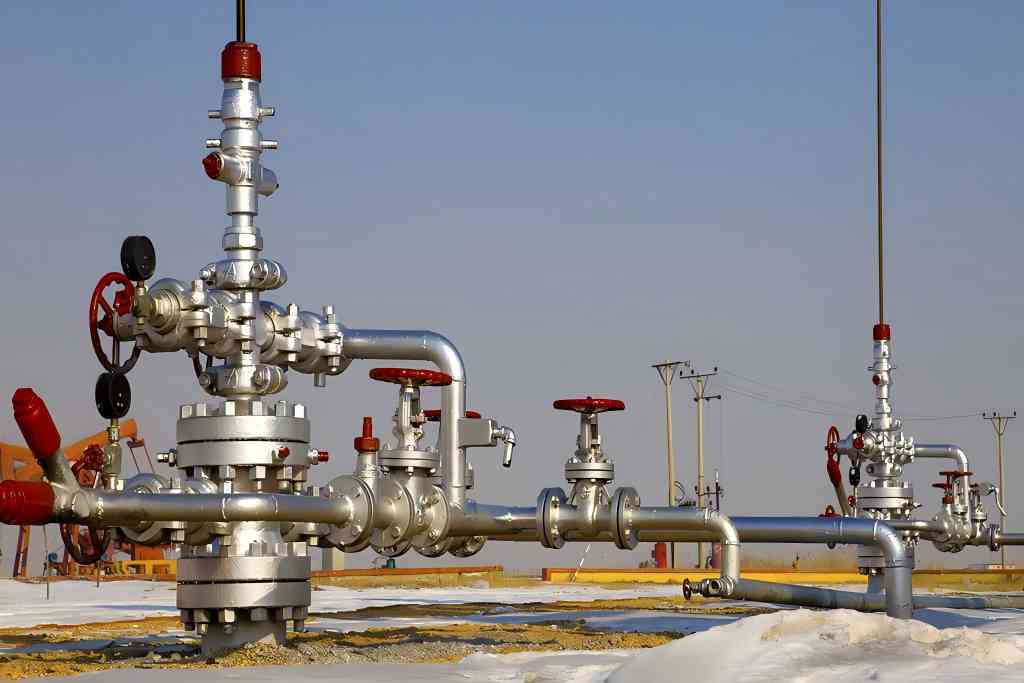
During the transportation of crude oil, natural gas, and multiphase fluids, the pipelines are exposed to water, salt, CO₂, H₂S, and other corrosive substances. The skid creates a protective layer on the internal surfaces of the oil and gas transmission pipelines. The protective layer slows down the corrosion of the internal surfaces of the pipeline.
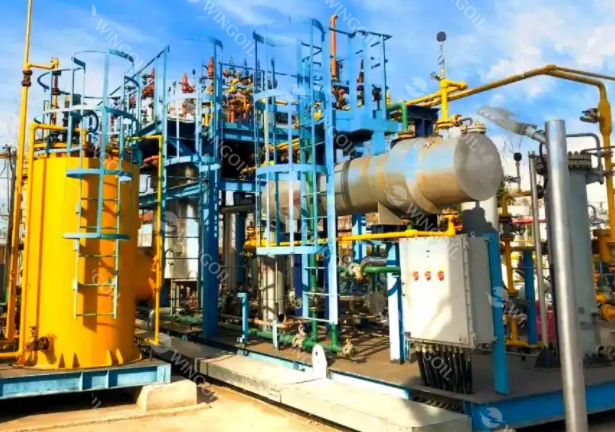
Offshore Platforms and FPSO Systems
Marine environments present high salinity, humidity, and strong corrosive conditions, placing stringent demands on equipment and pipeline durability. Skid-mounted injection systems, with their compact design and high automation, can operate reliably in space-constrained offshore platforms and FPSO units, ensuring long-term protection of critical process systems.
Refineries and Petrochemical Facilities
High temperatures, pressures, and complex chemical streams in refining and petrochemical processes accelerate corrosion of equipment and pipelines. Precise chemical dosing from the injection skid protects heat exchangers, reactor inlet/outlet lines, and other key process equipment, enhancing overall operational reliability.
Water Injection and Oil Production Systems
Water used in injection and production often contains dissolved oxygen, bacteria, and minerals, which can trigger electrochemical and microbiologically influenced corrosion. The injection skid continuously delivers corrosion inhibitors, reducing corrosion rates and extending the life of wellbores, pipelines, and surface equipment.
Chemical Process Pipelines
Chemical processing involves highly corrosive media such as acids, alkalis, solvents, and saline solutions. Skid-mounted systems can be customized for specific media, ensuring precise dosing and safe operation of process pipelines under aggressive chemical conditions.
High-Salinity, High-Temperature, and High-Pressure Environments
Extreme conditions such as high salinity, temperature, or pressure often exceed the protective capability of conventional corrosion measures. The injection skid continuously forms a chemical protective layer on metal surfaces, significantly improving corrosion resistance under harsh operating conditions.
CO₂ / H₂S Containing Corrosive Media Systems
Systems containing carbon dioxide or hydrogen sulfide are particularly susceptible to acid corrosion and sulfide stress cracking. Controlled and precise injection of inhibitors from the skid effectively mitigates these corrosion mechanisms, reducing the risk of equipment failure and safety incidents.
In all these applications, precise, stable, and adjustable corrosion inhibitor injection is a critical factor in ensuring safe operation, minimizing corrosion risks, and extending asset service life. The corrosion inhibitor injection Skid is the core equipment enabling this protection.
Part 4. How to Choose a Suitable Corrosion Inhibitor Injection Skid
When selecting a corrosion inhibitor injection skid, it is important to consider several key factors to ensure optimal performance and reliable operation:
Required Injection Flow Rate and Accuracy
Determine the dosing volume needed for your system and the precision required. The skid and pump should be capable of maintaining consistent, repeatable injection to achieve effective corrosion protection.
Chemical Properties and Material Compatibility
The type of corrosion inhibitor and its chemical characteristics must be compatible with the materials used in the tank, pump, piping, and valves to prevent degradation or contamination.
System Design Pressure and Operating Temperature
Ensure the skid and its components are rated for the expected process pressure and temperature ranges to maintain safety and durability under normal and extreme conditions.
Automation and Remote Control Requirements
Consider whether the system should support automated dosing, remote monitoring, or integration with plant control systems (DCS/SCADA) to improve operational efficiency and reduce manual intervention.
Application Environment: Onshore vs. Offshore
Environmental factors such as space constraints, corrosion exposure, and accessibility differ between onshore and offshore installations. The skid design should accommodate these conditions for reliable field operation.
Compliance with Industry Standards and Regulations
Verify that the skid meets relevant industry codes, safety standards, and chemical handling regulations to ensure both operational safety and regulatory compliance.
A well-matched system design and correctly selected parameters are critical, as they directly affect the effectiveness of corrosion inhibition and the long-term stability of the operation.
Part 5. Reliable Corrosion Inhibitor Injection Skid Solutions
A professional corrosion inhibitor injection system supplier, such as Wingoil, typically offers comprehensive system design capabilities, strict quality control procedures, and extensive project experience.
By understanding the specific operating conditions and process requirements of each client, Wingoil can provide stable, reliable, and scalable skid-mounted injection solutions. These systems are designed to ensure precise dosing, long-term corrosion protection, and seamless integration with existing plant operations.
With Wingoil’s expertise, customers can achieve enhanced operational safety, minimized corrosion risks, and extended asset lifespan, making it a trusted partner for oil & gas, chemical, and water treatment industries.
Final Thoughts
In the modern industrial corrosion protection system, the corrosion inhibitor injection skid is an indispensible part. Corrosion modeling exercises are necessary to evaluate and design these skid systems to manage such risks. Doing so will aid in the prolonging of the asset’s life and the possible minimization of costs.
To oil and gas, chemical, or any other industrial sector, choosing a good-quality skid-mounted corrosion inhibitor injection system as supplied by Wingoil should not be seen as just a product, but rather as an investment in safety, reliability, and efficiency in the long run.
Related Articles