Horizontal Valve Test Bench vs Vertical Valve Test Bench: Which One to Choose?
In industries such as oil and gas, chemical processing, power generation, and water treatment, the safety and reliability of valves are critically important. To ensure that valves can operate properly under high pressure, high temperature, or complex working conditions, manufacturers usually need to conduct rigorous pressure testing, sealing testing, and performance testing. These tests are typically carried out using specialized equipment known as a valve test bench.
Among various valve testing systems, horizontal valve test bench and vertical valve test bench are the two most common structural configurations. They differ significantly in terms of structural design, applicable valve types, and application scenarios.
Here, we will provide a detailed comparison of horizontal valve test bench vs vertical valve test bench, including their main differences, respective advantages, and how to choose the right valve testing equipment based on actual testing requirements.
What is a Valve Test Bench?
Valve test benches are special devices used for the testing of valves. Depending upon the structural designs, the main types of valve test benches are classified as follows: the horizontal type of valve test bench and the vertical type of valve test bench.
It is mainly used to verify the safety and reliability of valves under different pressure conditions. By using a valve test bench, various industrial valves can undergo systematic pressure testing and sealing inspections.
Common valve testing items include:
- Shell Strength Test
- Seat Sealing Test
- Low Pressure Air Test
- High Pressure Water Test
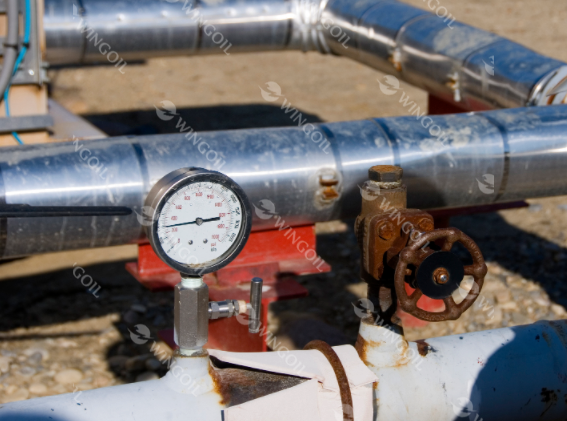
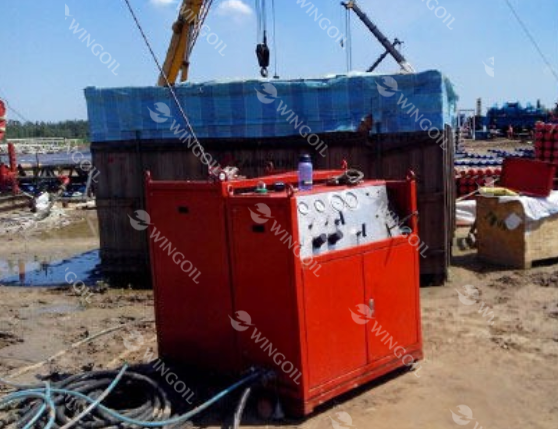
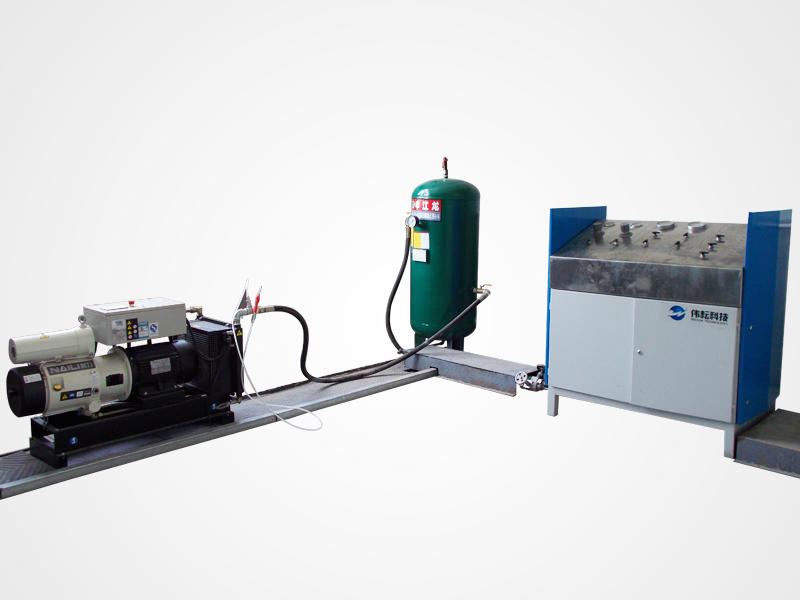
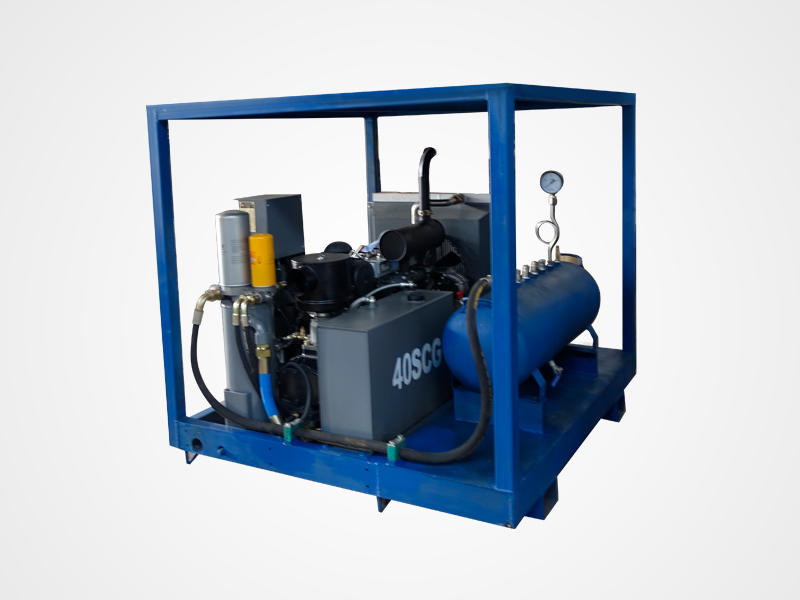
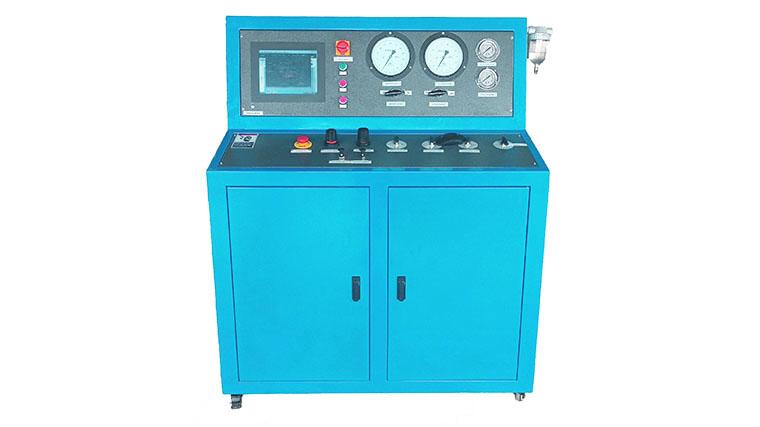
The modern test benches for valves usually include mechanical equipment, hydraulic equipment, and electric control equipment. There are also pressure meters, water control valves, and an operation control console. The entire process is safer and more stable.
What is a Horizontal Valve Test Bench?
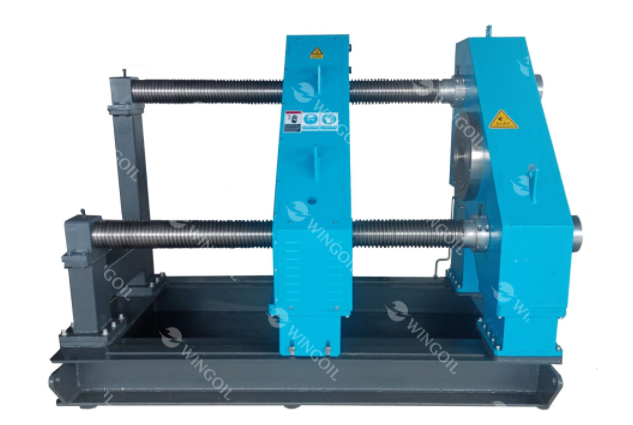
A horizontal valve test bench is a type of valve testing equipment designed with a horizontal structure. In this system, the valve is placed horizontally on the testing platform and secured using hydraulic clamping devices or mechanical clamping mechanisms. The equipment then performs pressure testing, sealing tests, and leakage detection on the valve.
This structural design allows the valve to experience more uniform force during testing, while also making installation and removal easier for operators. The horizontal layout improves accessibility and operational efficiency during the testing process.
Compared with vertical testing equipment, a horizontal valve test bench is generally more suitable for testing medium-to-large valves or straight-through structure valves. It is widely used in valve manufacturing plants, inspection facilities, and various industrial testing environments.
Key Features of a Horizontal Valve Test Bench
A horizontal valve test bench typically has the following characteristics:
Horizontal structure design: The valve is installed horizontally on the testing platform. This structure provides good stability and is suitable for testing heavier valves.
Hydraulic system operation: The hydraulic system is used to clamp the valve and apply testing pressure, improving both stability and testing efficiency.
Easy operation: The equipment layout is straightforward, allowing operators to easily install, remove, and test valves.
Multiple testing functions: It can perform hydrostatic pressure testing, air tightness testing, and sealing performance testing.
Some high-performance horizontal valve testing systems are also equipped with high-pressure water pumps and high-pressure air pumps, with a theoretical maximum output pressure of up to 450 bar. This enables the equipment to meet the pressure testing requirements of various industrial valves and comply with different testing standards.
What is a Vertical Valve Test Bench?
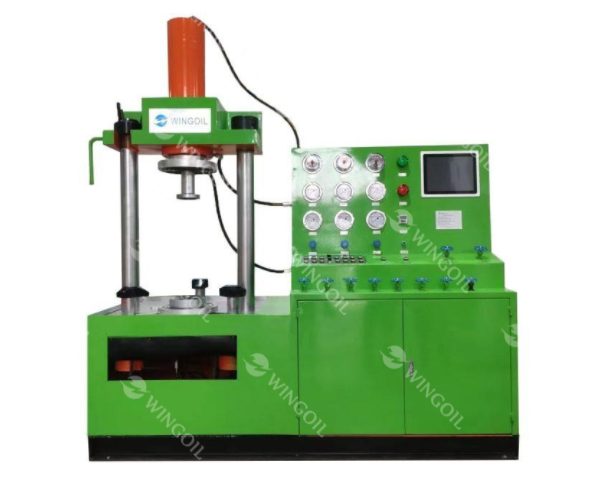
A vertical valve test bench is a type of valve testing equipment designed with a vertical structure. In this system, the valve is installed in a vertical position and is usually secured by a bottom sealing device or a bottom flange clamping structure. The equipment is then used to perform pressure testing and sealing performance testing on the valve.
This vertical installation method can better simulate the working conditions of certain valves in actual pipeline systems, making the testing process more stable. At the same time, it helps reduce the influence of the valve’s own weight on the test results. For this reason, Vertical Valve Test Benches are widely used for testing small- and medium-sized valves.
Key Features of a Vertical Valve Test Bench
A vertical valve test bench typically offers the following advantages and characteristics:
Vertical structural design
The equipment adopts a vertical layout, which occupies relatively less floor space and is suitable for workshops with limited space.
Higher level of automation
Some systems are equipped with automatic control systems that can perform automatic clamping, automatic pressurization, and automated testing.
Hydraulic and electrical control integration
The hydraulic system is responsible for valve clamping and pressure loading, while the electrical control system monitors and regulates the entire testing process.
High testing stability
With the valve installed vertically, the influence of gravity on the sealing surfaces is reduced, resulting in more reliable and accurate test results.
Horizontal Valve Test Bench vs Vertical Valve Test Bench: Key Differences
It is important to understand the difference between a Horizontal Valve Test Bench and a Vertical Valve Test Bench when choosing the right valve testing equipment. The Horizontal Valve Test Bench and the Vertical Valve Test Bench are different from each other from various aspects, which are discussed in the following sections from different points of view.
1. Structural Design
A horizontal valve test bench adopts a horizontal structural design, where the equipment is arranged in a horizontal layout. During testing, the valve is placed horizontally on the test platform and secured using a hydraulic clamping device. This structure offers strong stability and is particularly suitable for supporting and testing heavy valves.
In contrast, a vertical valve test bench features a vertical structural design. The valve is installed in a vertical position and is usually secured through a bottom sealing device or flange connection. The vertical structure is more compact and is especially suitable for workshops with limited floor space.
2. Valve Installation Method
In a horizontal valve test bench, the valve is installed horizontally on the test platform and then clamped using a hydraulic system before pressure testing is performed. This installation method is straightforward and makes it easier for operators to load and unload large valves.
A vertical valve test bench, on the other hand, uses a vertical installation method. The valve is typically installed from the top or side of the machine and secured through a bottom sealing mechanism. This configuration can better simulate the valve’s installation condition in actual pipeline systems and helps improve testing stability.
3. Space Requirements
From a layout perspective, a horizontal valve test bench usually requires more installation space because of its elongated structure, resulting in a larger floor footprint. It is therefore more suitable for factories with sufficient workshop space.
In comparison, a vertical valve test bench adopts a compact vertical layout, which significantly reduces the required floor area. This makes it a better choice for testing facilities or workshops where space is limited.
4. Operation Method
Horizontal valve test benches generally have a simpler structure and more intuitive operation, with a higher level of manual involvement. Operators can easily install and remove valves, which makes this type of equipment widely used in valve manufacturing plants.
Vertical valve test benches often feature a higher level of automation. Many systems are equipped with advanced electrical control systems that allow automatic clamping, automatic pressurization, and automated monitoring of the testing process, improving both efficiency and stability.
5. Applicable Valve Size
Horizontal valve test benches are typically more suitable for medium to large straight-through valves, especially heavy industrial valves such as large gate valves or ball valves.
Vertical valve test benches are generally designed for small to medium-sized valves, commonly within the DN15–DN300 range. These include valves such as gate valves, ball valves, and globe valves.
6. Typical Testing Applications
Horizontal valve test benches are commonly used for strength testing, sealing testing, and leakage testing of various industrial valves.
Vertical valve test benches are typically used for shell strength testing, sealing tests, and low-pressure air-tightness tests, playing an important role in standardized valve quality inspection processes.
Comparison Table: Horizontal vs Vertical Valve Test Bench
| Comparison Item | Horizontal Valve Test Bench | Vertical Valve Test Bench |
| Structural Design | Horizontal structure | Vertical structure |
| Valve Installation | Horizontal installation | Vertical installation |
| Space Requirement | Larger floor space required | Smaller floor space required |
| Operation Method | Simple operation, easy loading and unloading | Higher level of automation |
| Applicable Valve Size | Medium or large straight-through valves | DN15–DN300 valves |
| Typical Tests | Strength test, sealing test, leakage test | Shell test, sealing test, air tightness test |
Wingoil Valve Test Bench: Your Reliable Choice
Wingoil valve test bench is a series of testing equipment specifically designed for industrial valve inspection. It is widely used in industries such as oil and gas, petrochemical, chemical processing, power generation, and valve manufacturing. The equipment is capable of performing shell strength tests, sealing tests, and air tightness tests on various types of industrial valves, ensuring their safety and reliability under high pressure and complex operating conditions.
Wingoil provides a variety of valve testing equipment, including horizontal valve test benches and vertical valve test benches, which can meet the testing requirements of valves of different sizes and types.
The mechanical systems, hydraulic systems, and electrical control systems used in the Wingoil valve test benches usually provide a stable operation, easy operation, and high accuracy during testing. Moreover, the equipment is capable of testing different media like water, gas, or oil, and it is used for testing different valves like gate valves, ball valves, globe valves, or check valves.
If you are looking for reliable vertical or horizontal valve test bench, Wingoil can be your best choice!

Related Articles