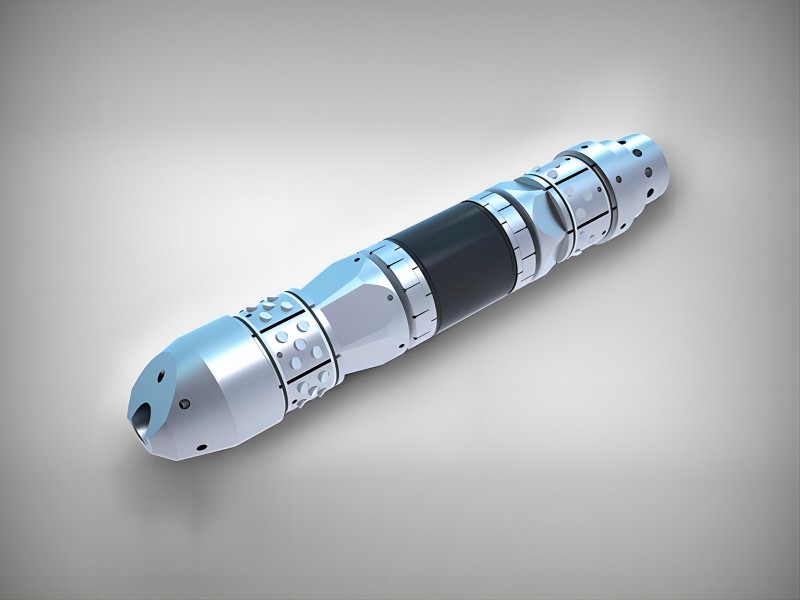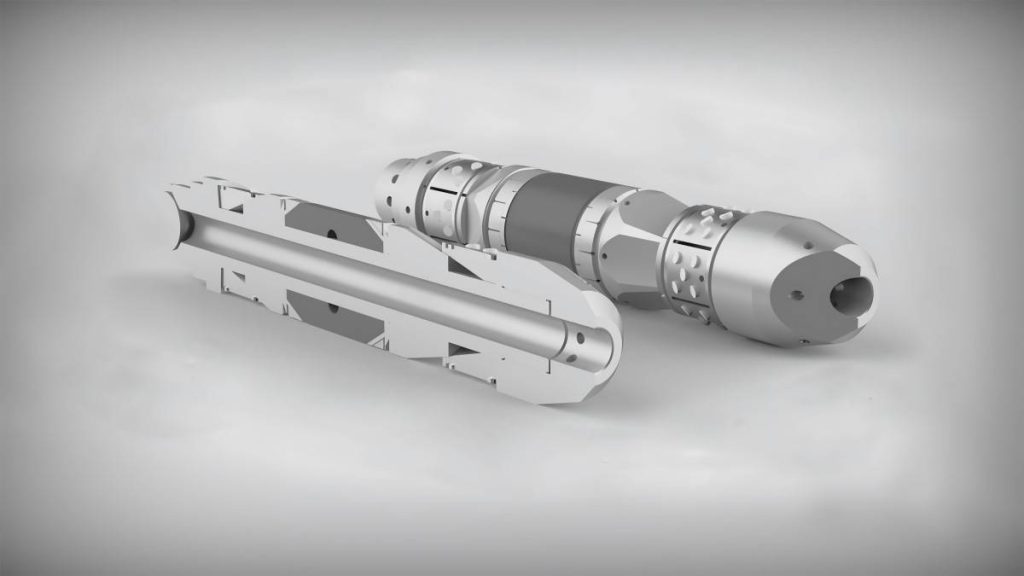
Packer and Bridge Plug Testing Equipment: Designed to API 11D1 Standards
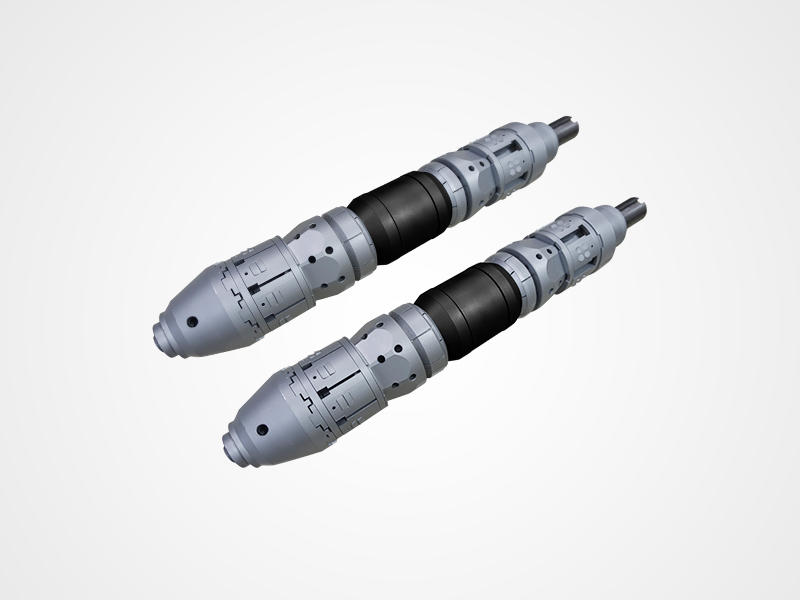
Packers and bridge plugs are important downhole isolation tools used in oil and gas wells. Depending on the application, they may be required to isolate pressure zones, support completion and stimulation operations, or provide temporary or permanent wellbore isolation. Their pressure integrity and sealing performance therefore need to be verified before use.
Testing these tools requires more than applying pressure to a completed product. The testing arrangement must be developed around the structure and operating conditions of the tool, as well as the applicable testing requirements. Wingoil develops packer and bridge plug testing equipment based on API 11D1 requirements and specific project conditions, integrating pressure testing, dedicated fixtures, data monitoring, and high-pressure safety protection.
API 11D1 Requirements for Packer and Bridge Plug Testing
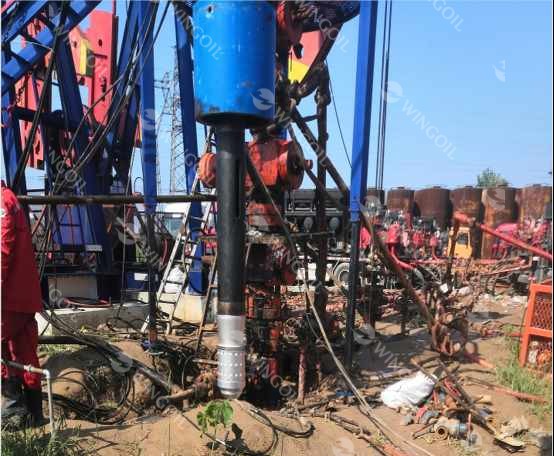
API 11D1 provides an important technical reference for the design, verification, and testing of packers and bridge plugs used in oil and gas operations.
For testing equipment, the key point is not simply reaching a specified pressure. The complete test arrangement needs to provide controlled and repeatable conditions for evaluating the performance of the downhole tool.
Test Conditions Based on Tool Requirements
Packers and bridge plugs vary in structure, sealing arrangement, setting mechanism, pressure rating, and intended application. Testing equipment therefore needs to be configured according to the characteristics of the specific tool being evaluated.
A testing system may need to consider:
- Tool dimensions and connection methods
- Required test pressure
- Test medium
- Pressure holding conditions
- Required monitoring and data recording
Controlled Pressure Application
Pressure must be applied according to the relevant testing procedure and maintained under controlled conditions.
The testing system should support functions such as controlled pressurization, pressure stabilization, and pressure holding, allowing operators to monitor the pressure condition throughout the test.
Performance Evaluation
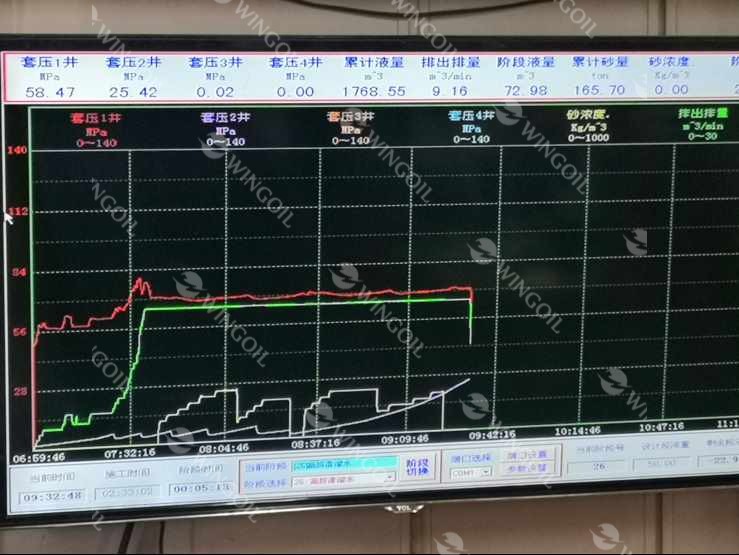
Pressure behavior during testing can provide important information about the integrity of the tested tool. Continuous monitoring and recording also make it possible to evaluate the test process based on measurable data rather than relying only on manual observation.
Packer and Bridge Plug Testing Equipment
A complete packer and bridge plug testing system consists of several functional components that work together to create the required testing conditions.
Pressure Testing System
The pressure testing system provides the required pressure for the test and controls the pressurization process.
Depending on the testing procedure, the system can perform pressure increase, stabilization, and holding operations while monitoring changes in the test pressure.
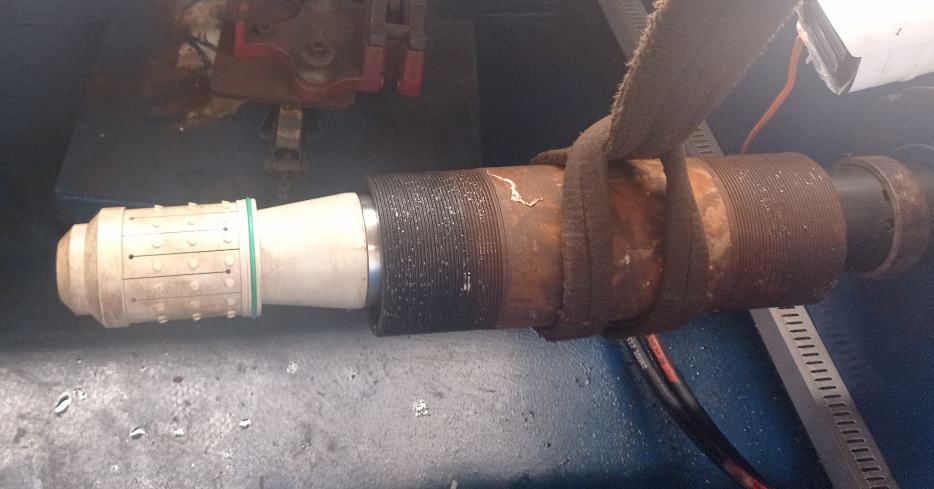
Dedicated Test Fixtures
Test fixtures provide the mechanical and pressure interface between the downhole tool and the testing system.
Because packers and bridge plugs differ in size and connection design, fixtures should be matched to the specific tool. Proper fixture design helps position the test specimen securely and reduces the risk of additional leakage paths that could affect the test results.
Control and Data Acquisition
The control system manages the testing sequence, while the data acquisition system records key test parameters.
Pressure data can be monitored throughout the test cycle, providing a record of the pressurization and holding stages. Depending on the system configuration, automated control can also improve testing repeatability.
Explosion-Proof Pressure Test Chamber for High-Pressure Testing
High-pressure testing introduces additional safety requirements. A pressurized system stores significant energy, and unexpected component failure or pressure release can create risks for operators and surrounding equipment.
Protected Testing Environment
An explosion-proof pressure test chamber provides a physically protected area for the test specimen during high-pressure testing.
The chamber separates the pressurized tool from the operating area, reducing direct personnel exposure during the test.
Remote Monitoring and Operation
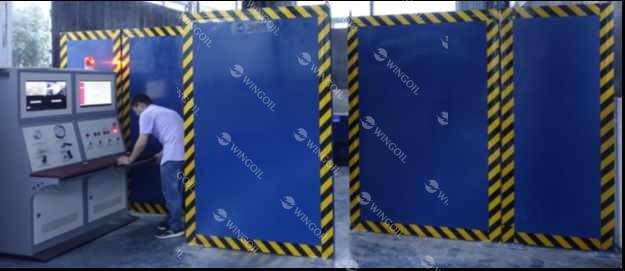
For high-pressure applications, remote control and monitoring can be integrated with the testing system.
Operators can observe the testing process through monitoring equipment while pressure and other test parameters are displayed in real time. This allows the test to be conducted without requiring personnel to remain next to the pressurized specimen.
Integrated Safety Design
The pressure chamber can also be combined with safety functions such as controlled access and interlocking measures during pressurization.
The specific safety configuration depends on factors including test pressure, specimen dimensions, and the overall testing environment.
Wingoil’s API 11D1-Based Packer and Bridge Plug Testing Solution
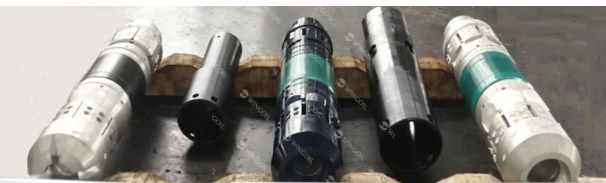
Wingoil’s API 11D1-Based Packer and Bridge Plug Testing Solution
Wingoil develops packer and bridge plug testing equipment according to API 11D1 requirements and project-specific testing conditions.
Rather than using a single fixed configuration, the equipment can be designed around the actual downhole tool and required testing procedure.
A typical system can integrate:
Packer or Bridge Plug
↓
Dedicated Test Fixture
↓
Pressure Testing System
↓
Control and Data Acquisition System
↓
Explosion-Proof Pressure Test Chamber
The testing process generally includes tool installation, test setup, controlled pressurization, pressure holding, parameter monitoring, and data recording.
Equipment configuration can be adjusted according to the tool dimensions, pressure range, test medium, required test conditions, and safety requirements. This allows the testing system to be developed for specific packer and bridge plug applications.
Final Thoughts
Testing is an important part of the performance verification and quality control of packers and bridge plugs. A suitable testing system must provide controlled pressure conditions, reliable monitoring, appropriate test fixtures, and effective safety protection.
Based on API 11D1 requirements and specific project conditions, Wingoil develops packer and bridge plug testing equipment integrating pressure testing, control and data acquisition, dedicated fixtures, and explosion-proof pressure test chambers where required. The result is a more complete testing solution for the inspection and performance evaluation of downhole isolation tools.
Related Articles