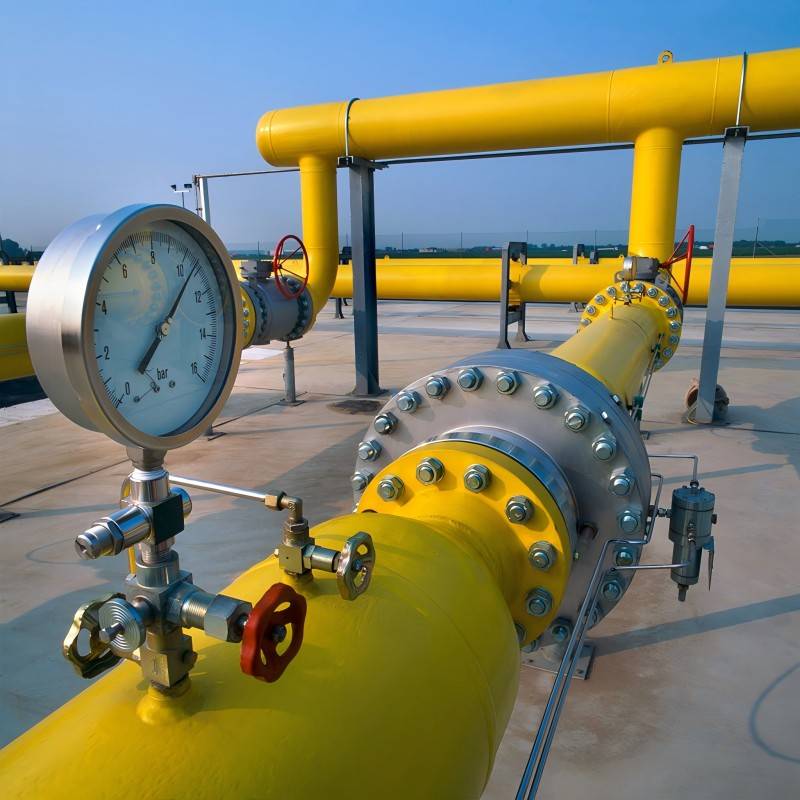
Electric Hydrostatic Test Pump: How to Choose It?
In critical industries such as oil and gas, pipeline engineering, and pressure vessel inspection, the electric hydrostatic test pump is more than just a piece of equipment, it is a true “guardian” of safety and quality. With its stable and powerful pressure output, it performs rigorous testing on systems, accurately verifying every point of sealing and pressure resistance, leaving no hidden risks undetected.
Imagine operating under high-pressure conditions where every pipeline and valve must withstand strict examination. The electric hydrostatic test pump is the essential tool that makes this possible, efficient, reliable, and fully controllable.
In this post, we will provide an in-depth overview of the working principles, key advantages, typical applications, and essential selection criteria of electric hydrostatic test pumps, helping you make more informed and professional purchasing decisions in complex operating environments.
Part 1. What is an Electric Hydrostatic Test Pump?
An electric hydrostatic test pump is a machine driven by an electric motor to conduct pressure tests on pipelines, valves, cylinders, and other devices.
Main functions include:
- Placement of liquid (commonly water) into the tested system.
- Raising pressure to the setpoint.
- Identify out any leakage or pressure loss.
Electric hydrostatic test pumps have proven superior in industrial apps to conventional human-operated ones, helding with a high efficiency, and producing a steady and regulated output pressure island.
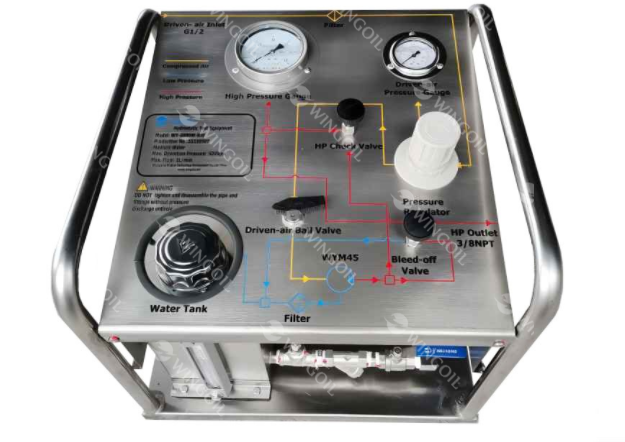
Part 2. Working Principle of an Electric Hydrostatic Test Pump
An electric hydrostatic test pump operates by using an electric motor to drive a high-pressure pump, continuously delivering and pressurizing liquid (typically water) into the system under test. This process is used to evaluate the sealing integrity and pressure resistance of pipelines, vessels, and other equipment. The overall operation is highly automated, precise, and widely used in industrial pressure testing applications.
The working process generally includes the following key stages:
1. Water Filling Stage
First, clean water should be filled into the pipeline or tank under test. At the same time, all the air existing in the pipeline or tank will be evacuated from the system via a vent valve. This stage is highly important because trapped air will influence test results as well as become a safety risk.
2. Pressurization Stage
After the power supply of the electric motor starts, the high-pressure pump is activated. As a result, the pressure is steadily raised in the system. It is worth mentioning that some sophisticated systems are able to adjust pressure and conduct an automatic regulation of pressure.
3. Pressure Holding Stage
When the pressure reaches the preset value, the system enters the holding phase. The pump maintains a stable pressure and may automatically compensate for minor pressure fluctuations, providing reliable conditions for accurate testing.
4. Testing Stage
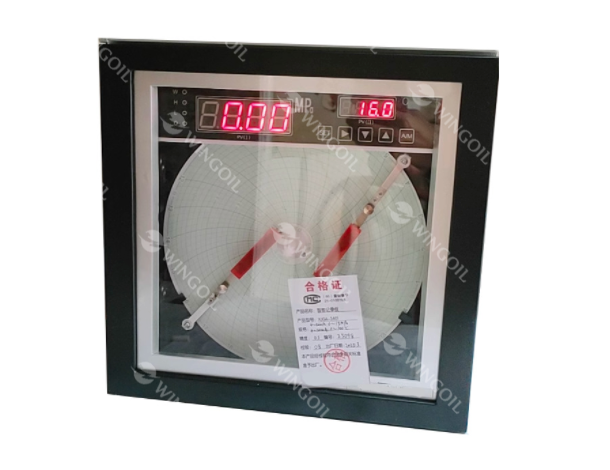
During the holding period, pressure gauges or electronic sensors continuously monitor any pressure changes. A pressure drop or abnormal fluctuation may indicate leaks or structural issues in the system. Some units also feature data recording and alarm functions to improve efficiency and accuracy.
Part 3. Key Features of Electric Hydrostatic Test Pumps
In industrial applications, high-quality electric hydrostatic test pumps typically offer the following features:
1. High Pressure Output Capability
Electric hydrostatic test pumps can generate a broad pressure range, making them easy to satisfy medium pressure, high pressure, and ultra-high pressure test standards. Electric hydrostatic test pumps are compatible with pipes, valves, and pressure vessels and comply with industrial test standards.
2. Stable Electrical Motor Drive
An electrical motor drives the electric test pumps, resulting in stable operation, unlike manual and pneumatic test pumps. It ensures stable and continuous pressure generation that is not dependent on any human operation. It is more efficient in conducting tests for extended periods and at large scales.
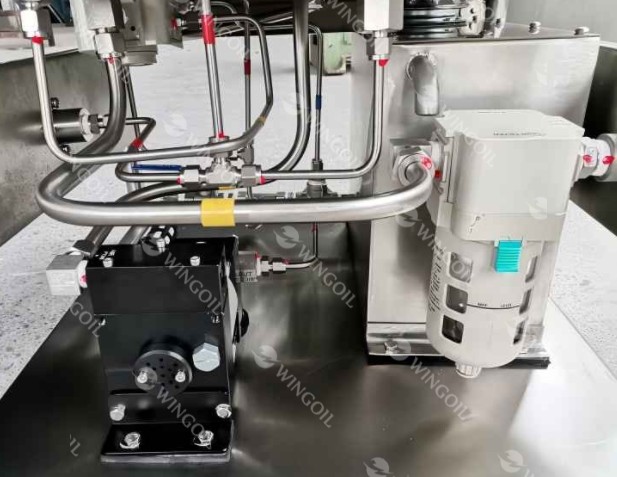
3. Accurate Pressure Control System
Modern electric hydrostatic test pumps have pressure control systems that ensure proper regulation and control. The system can help maintain the specified pressure and set it accurately. More advanced models have automatic pressure settings and digital displays.
4. Durable Structural Design
To withstand high-pressure and harsh working conditions, these pumps are typically made of stainless steel or high-strength alloy materials. They offer excellent corrosion resistance and wear resistance, ensuring long-term stable performance even in demanding environments.
5. Different Construction Designs
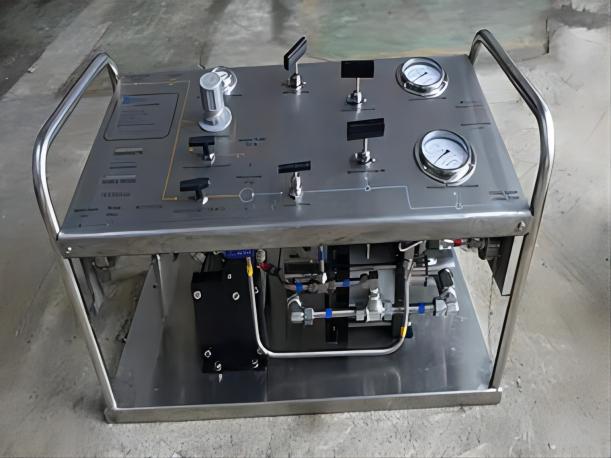
In accordance with different requirements, electric hydraulic pumps can be produced in the form of portable or skid-type pumps. Portable types are preferable for field testing, and skid-type pumps are preferable for stationary installation.
6. Economical Operation
Due to the use of electric drives and less manual intervention in the operation process, there is little wear and tear on the equipment, which results in low-cost maintenance.
Part 4. Applications of Electric Hydrostatic Pump
The electric hydrostatic test pump is a common tool in several industrial settings because of its ability to supply high pressure, its stability, and its accurate control function. The hydrostatic test pump is now considered an important device in many types of pressure testing operations.
1. Oil and Gas Industry
In the oil and gas industry, hydrostatic test pumps are commonly applied to pipeline systems, wellheads, and production and transmission facilities. Through pressure testing at high pressures, this machine can detect any leaks that could endanger the safety of the process by causing pipeline breakage.
2. Pipeline Test
For pipelines carrying oil, gas, or water, hydrostatic testing is one of the most significant parts of both construction and maintenance work. In this case, the electric hydrostatic test pump supplies constant and controllable pressure, making sure that there are no leaks or damages in the whole system.
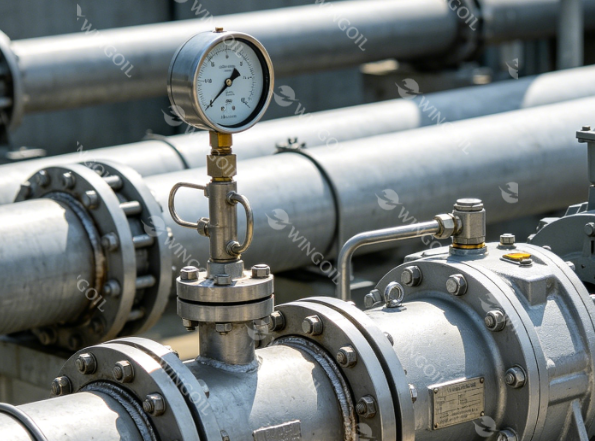
3. Testing Valves and Pressure Vessels
When conducting inspections of manufacturing equipment, valves, flanges, and all kinds of pressure vessels require rigorous pressure tests. Using electric hydrostatic test pumps will enable you to apply the right pressure levels during testing and assess the sealing and pressure capabilities of these objects.
4. Testing Systems in Industrial Manufacturing
During installation, power system, or industrial equipment testing, including boilers, heat exchangers, and pipelines, pressure testing becomes a necessity before putting them into action. Electric hydrostatic test pumps help test pressure tolerance and safety levels of equipment before being put into use.
5. Fire System Testing
Fire sprinkler systems installed within structures and industrial areas should be able to perform perfectly under all circumstances to protect both people and properties. Electric hydrostatic test pumps assist with the pressing task by testing the fire pipes inside firefighting systems.
Part 5. Electric vs Manual Hydrostatic Test Pump Comparison
In the actual selection process, users often compare electric hydrostatic test pumps with manual hydrostatic test pumps. Although both serve similar functions and are used for hydrostatic testing of pipelines, valves, and pressure vessels, there are significant differences in terms of working efficiency, stability, and application scenarios.
| Comparison Item | Electric Hydrostatic Test Pump | Manual Hydrostatic Test Pump |
| Working Efficiency | Motor-driven, continuous and fast pressurization, high efficiency, suitable for batch and long-term operation | Manual operation, slower pressurization, lower efficiency, suitable for small-scale or temporary testing |
| Pressure Stability | Stable output with precise control system, more reliable test results | Pressure fluctuation depends on operator experience, relatively less stable |
| Labor Intensity / Cost | High automation, simple parameter setup, low labor cost | Requires continuous manual pumping and monitoring, high labor intensity and cost |
| Application Scenarios | Industrial-grade applications such as oil & gas, pipelines, and pressure vessels, suitable for frequent testing | Small equipment testing, on-site temporary inspections, or low-frequency applications |
| Testing Accuracy | High precision, suitable for strict industrial testing standards | Accuracy depends on operator, suitable for basic testing requirements |
| Overall Suitability | Ideal for modern industrialized and standardized pressure testing processes | Better for economical, lightweight, or emergency testing needs |
Electric hydrostatic test pumps are more suitable for high-frequency, high-precision industrial applications, while manual hydrostatic test pumps are better suited for low-cost, low-frequency basic testing scenarios.
Part 6. How to Select an Appropriate Electric Hydrostatic Test Pump
Selection of appropriate electric hydrostatic test pump will play an important role in increasing the efficiency of tests, obtaining precise information, as well as creating a safe work environment. Each condition requires specific performance from the equipment; therefore, the parameters discussed below must be taken into account in the selection process:
1. Pressure Requirement
First of all, the requirement for the pressure range should be estimated based on the maximum working pressure of the tested component. In general, it is advisable to choose a pump that will have a pressure range somewhat exceeding the maximum working pressure. Improper pressure selection may lead to failed testing results or overload operation of the equipment.
2. Flow Rate
The faster the flow rate, the faster the process of pressurization. Therefore, if you need to test large diameter pipeline or pressure system with high capacity, you’d better select pump with higher flow rate. And if you are going to test some specific devices, then pump with smaller flow rate is recommended. You have to find an equilibrium in your selection.
3. Voltage Requirement
Different regions of the world have different voltage requirements. For example, some areas have 220V or 380V. Before selection, we must make sure that voltage requirement of the equipment meet with the actual voltage.
4. Structure Type (Portable or Skid Mounted)
This point is particularly important because we have to choose structures depending on the working environment. Portable structure is small in size, and thus portable, so we should choose it in the situation where the testing place has limited space. But the skid mounted type structure is more stable, which is good for permanent station usage.
5. Material and Durability
The material of the equipment directly affects its service life and reliability. High-quality stainless steel or high-strength alloy materials can effectively resist corrosion and high-pressure impact. This is especially important in demanding environments such as oil and gas applications, helping to reduce maintenance frequency and replacement costs.
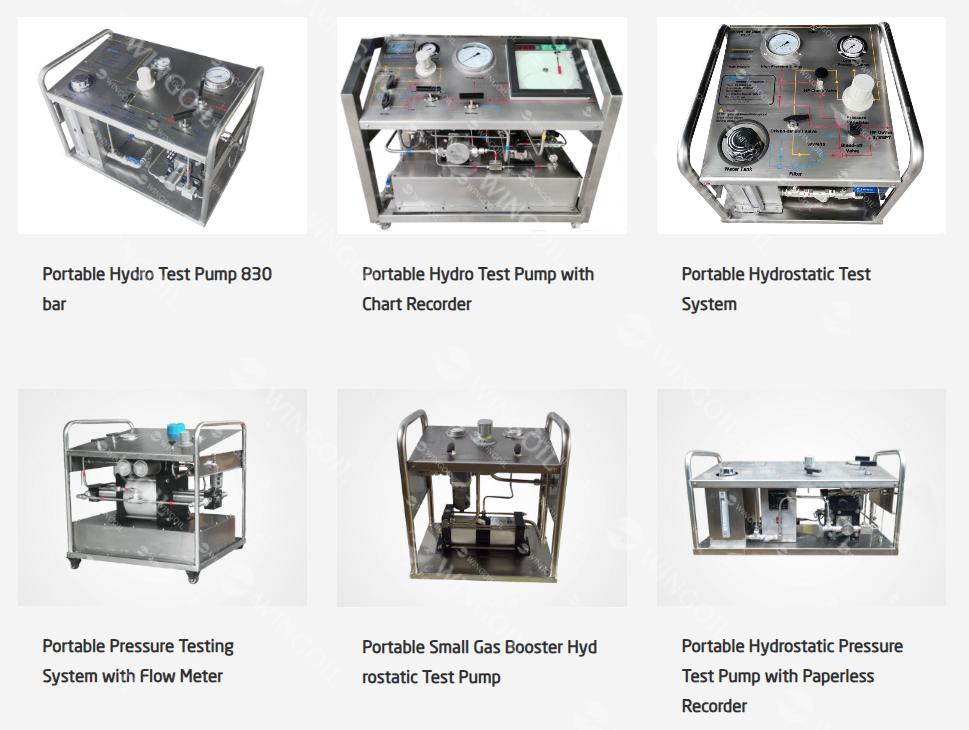
Recommend: Wingoil Hydrostatic Test Pump
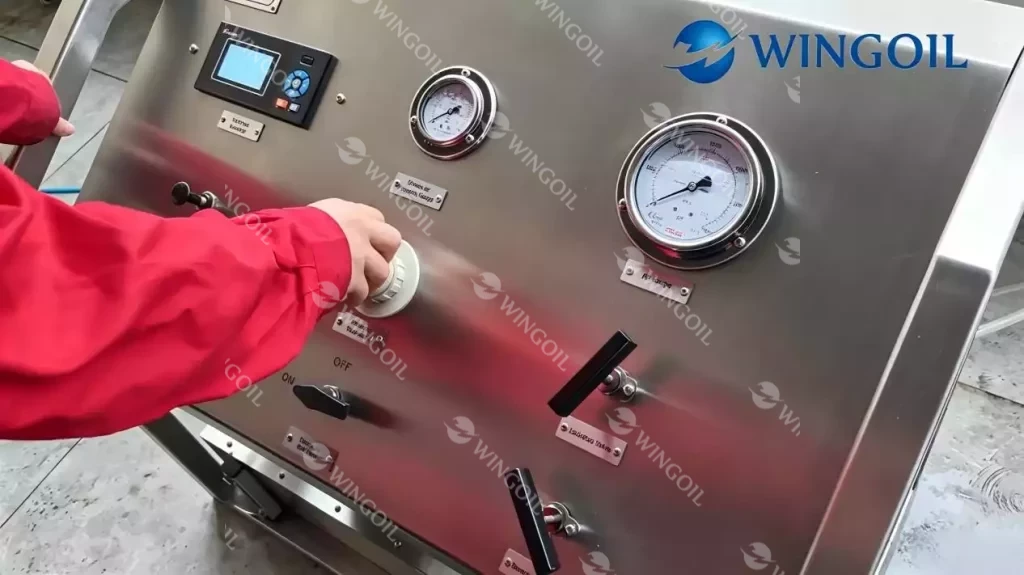
Wingoil Hydrostatic Pressure Test Pump is designed with advanced hydraulic and control technology to deliver accurate, stable, and reliable pressure testing performance. It ensures high-precision test data while maintaining safe and controllable operation in industrial applications.
Built under strict quality standards, it is widely used in pipeline testing, pressure vessel inspection, and industrial maintenance, offering excellent efficiency and durability.
Wingoil also provides professional on-site commissioning services to ensure smooth installation and optimal system performance, helping customers improve efficiency and reduce downtime.
Choosing Wingoil means choosing accuracy, safety, and long-term reliability in pressure testing solutions.
FAQs about Electric Hydrostatic Test Pump
1. What is a hydrostatic test pump mainly used for?
It is used to test the strength and sealing performance of pipelines, valves, and pressure vessels.
2. How high can an electric hydrostatic test pump reach in pressure?
Depending on the model, it can range from a few hundred PSI, such as 300psi, 500psi to over ten thousand PSI.
3. Which is better, electric or manual?
For industrial applications, electric pumps are more efficient and stable, making them the better choice.
Related Articles