Hydrostatic Pressure Test: Methods, Applications, and Benefits
In industrial equipment and piping systems, safety and reliability are paramount. Hydrostatic pressure testing is a widely used inspection method that evaluates the sealing integrity and pressure-bearing capacity of equipment or pipelines by applying liquid pressure. Conducting a hydrostatic pressure test correctly helps companies detect potential leaks and structural issues in advance, reduces the risk of accidents, and ensures long-term stable operation of the equipment.
Part 1. What is Hydrostatic Testing?
Hydrostatic testing is methodically popular and comes in handy while administering pressure tests to check the sealing integrity and pressure-bearing capacity of pipelines, pressure vessels, valves, and other industrial equipment. The underlying principle is to fill the equipment with a fluid (generally water) and subsequently apply static pressure greater than that of the working condition. The test is to see, through pressure changes or leakage observation, that the equipment is safe and reliable.
This kind of test under investigation breaks relationships or the material itself ahead of leak rupture, thus enhancing the safety of industrial systems.
Part 2. Advantages of Hydrostatic Pressure Testing
Hydrostatic pressure testing is a safe and effective way of inspecting equipment and pipes in industries. It is not only beneficial for the safety of equipment and pipes but also enables the identification of possible problems in advance, hence enhancing the efficiency of the company. Hydrostatic pressure testing has various advantages over other forms of testing because it uses a liquid to apply pressure.
High Safety
As the liquids are incompressible, even in the case of equipment failure or leakages in the hydrostatic pressure test, the amount of energy dissipated would be much less in comparison to the gas pressure test, thereby minimizing the chances of accidents or failures.
Early Detection of Issues
Hydrostatic pressure tests are used to identify cracks, sealing problems, or weaknesses in the welds, joints, pipes, or tanks before the equipment or the pipelines are put to actual use.
Accurate Data Recording
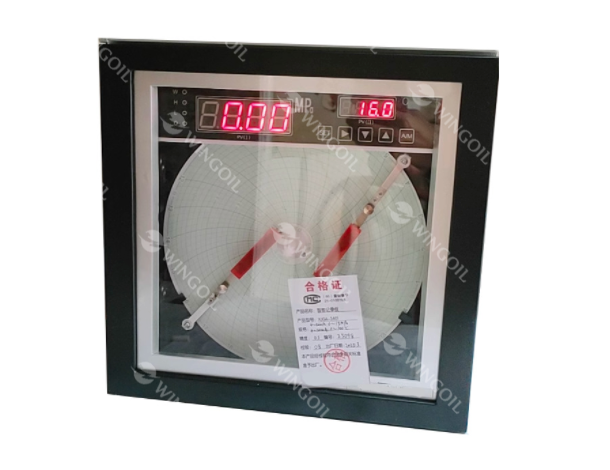
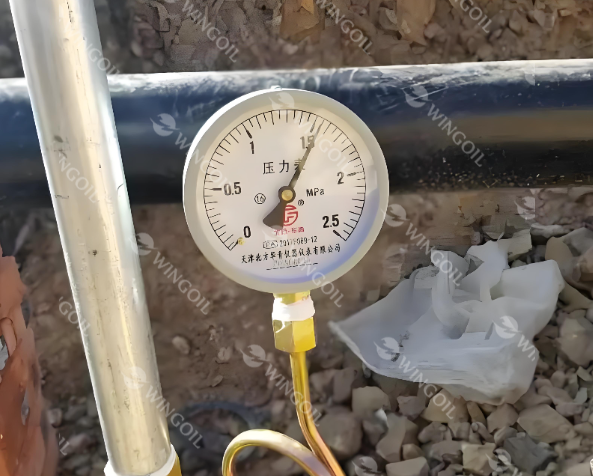
Today, hydrostatic tests can be conducted using electronic recording equipment or a paperless recorder that can monitor changes in pressure, test time, and test results in real time. This helps to improve efficiency and reduce errors in recording test results.
Wide Applicability
Hydrostatic pressure testing can be used for a range of equipment in industrial plants, ranging from piping systems and storage tanks to boilers, valves, and pressure vessels. Whether it is oil and gas pipelines, water treatment systems, or chemical plant equipment, hydrostatic testing can be used to ensure structural integrity and stable operation.
Part 3. Applications of Hydrostatic Pressure Testing
Hydrostatic pressure testing technique has numerous practical applications in both industrial and municipal sectors. Its main purpose is to guarantee safety. This testing technique is used to check if there is any leakage or defects in equipment and piping systems. By using a static fluid pressure that is higher than the normal fluid pressure, any defects can be detected.
Piping Systems
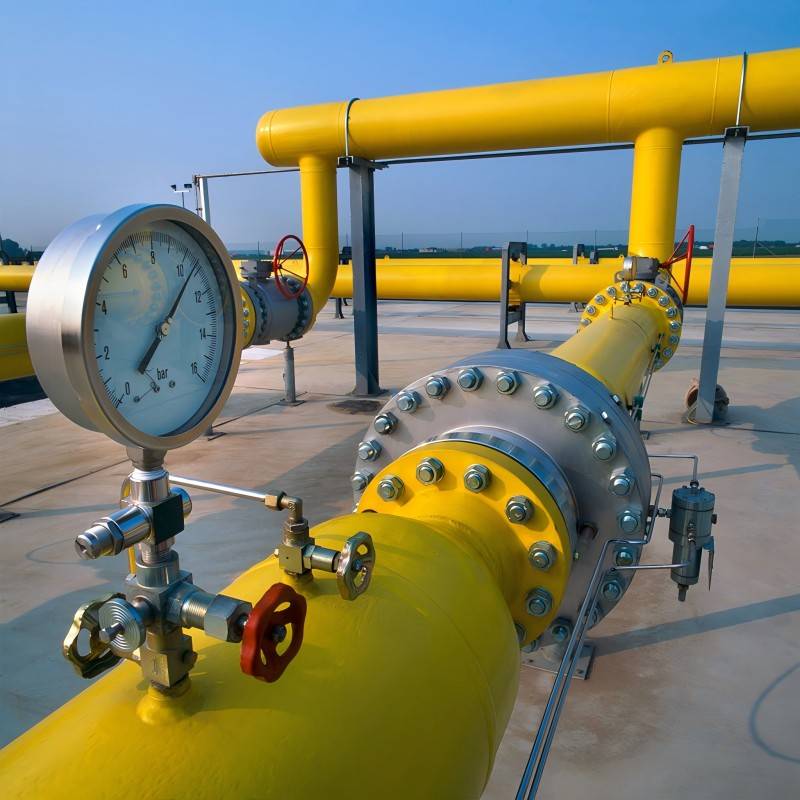
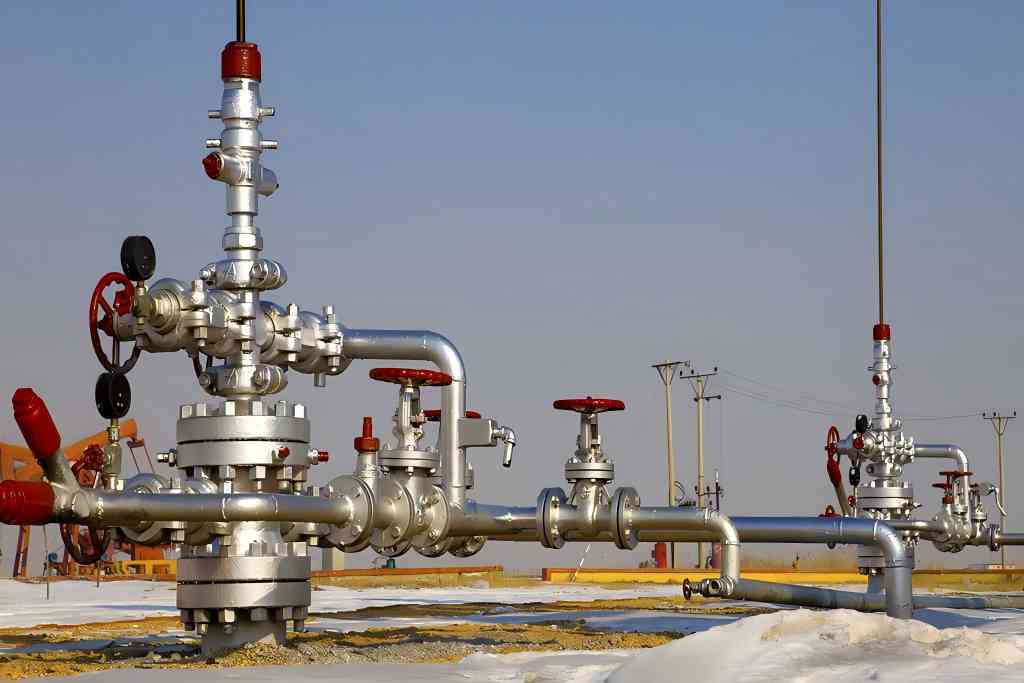
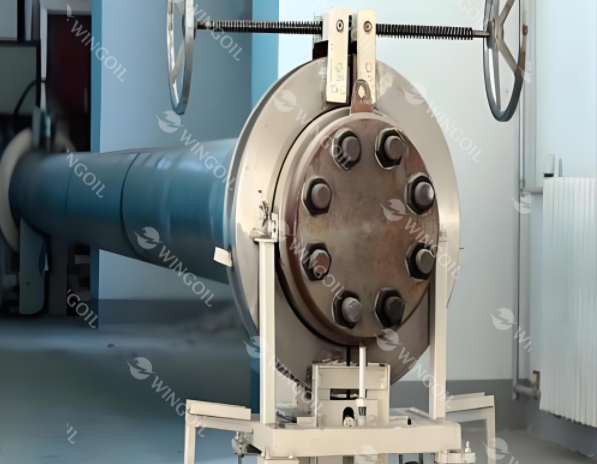
Pipelines for oil, natural gas, and water require hydrostatic pressure testing after installation or maintenance. The test evaluates the sealing integrity of welds, joints, and valves, ensuring that the pipeline can safely and reliably transport fluids under high pressure or long-term operation without leakage.
Boilers and Pressure Vessels
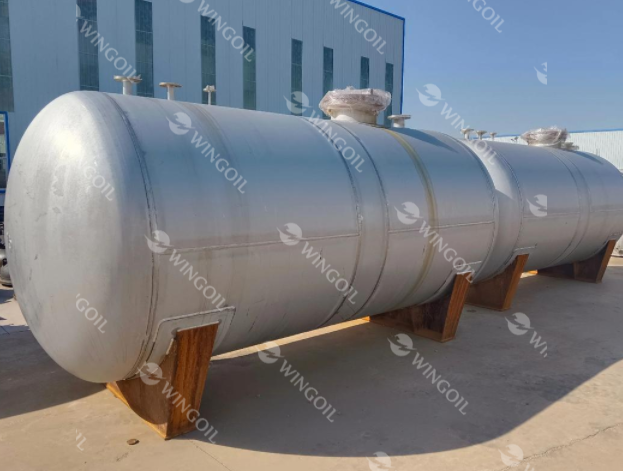
It is required to conduct hydrostatic pressure testing on high-pressure equipment like boilers, storage tanks, and steam vessels prior to service. This test ensures the equipment’s capacity to withstand the pressure, identifies any cracks in the welds or defects in the equipment, and minimizes the risk of bursting or leakage, thereby providing safety to the equipment as well as human life.
Water Treatment Systems
In water treatment plants or industrial circulating water systems, hydrostatic pressure testing needs to be done on the pipes and valves at regular intervals. This test helps in identifying any changes in the pressure or any leakage in the pipes, thereby detecting problems like aging of pipes, loose joints, or corrosion in due course.
Petrochemical Equipment
Storage tanks for chemicals, pipelines for transportation of chemicals, and reactors have to be subjected to hydrostatic pressure tests at the time of commissioning and maintenance. These tests check the tightness and pressure resistance of equipment, detect any leakages of dangerous chemicals, and ensure safety and adherence to safety norms.
Part 4. Steps and Methods of Hydrostatic Pressure Testing
When performing a hydrostatic pressure test, it is essential to follow standardized procedures to ensure accurate results and the safety of the equipment. The main steps typically include:
Step 1. Equipment Preparation
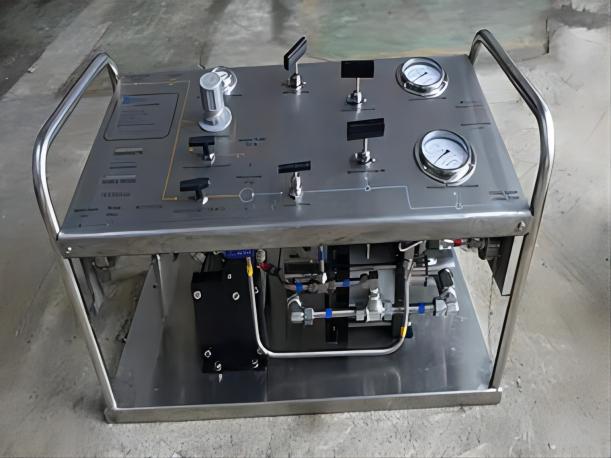
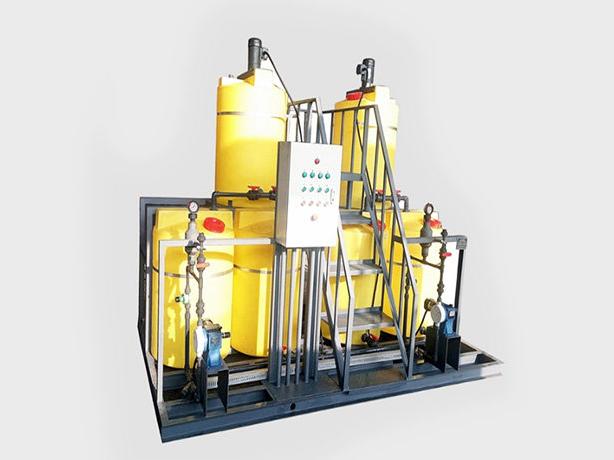
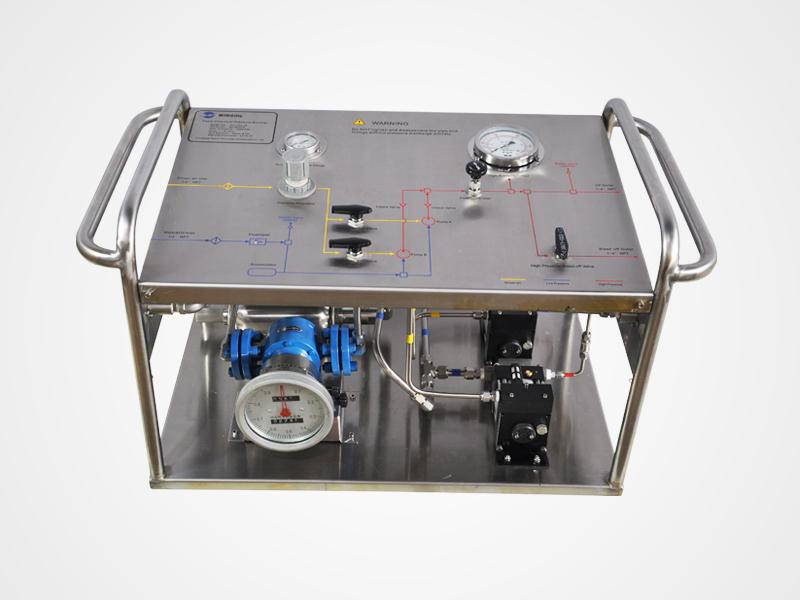
Professional hydrostatic test equipment like “Portable Hydrostatic Pressure Test Pump” is necessary in order to ensure the steady and controlled application of pressure. Additionally, the integrity of the pipeline, valve, and other equipment should be ensured in order to avoid secondary risk.
Step 2. Filling the System with Liquid
The system is filled with water or a specific fluid used for testing. This is done to ensure that the pipes or vessels are completely filled. During this step, it is important to remove air from the system to prevent variations in pressure caused by gas compression.
Step 3. Pressurization and Holding
The system is slowly subjected to pressure equal to that used in the design standards or standard testing values. This is done to prevent damage to the system or pipelines resulting from rapid pressurization. After reaching the desired pressure, the system is held at that pressure for a specific period of time.
Step 4. Data Recording
During the test, it is necessary to employ paper recording or electronic recording devices (paperless recorders) to record the pressure changes, the duration of the test, and so forth in real time. Such a record not only makes it easier to analyze the results but also makes it possible to trace the equipment in the future.
Step 5. Result Analysis
After the test, it is necessary to analyze the pressure changes, the presence of leaks, and so forth, and determine whether the equipment meets the design criteria or not, and which parts of the equipment need to be repaired or reinforced for safe operation.
Following these steps ensures that hydrostatic pressure testing not only evaluates the sealing integrity and pressure-bearing capacity of equipment but also provides a reliable basis for the long-term stable operation of industrial systems.
Part 5. How to Choose the Right Hydrostatic Pressure Test Pump?
Selecting the appropriate pump is a crucial step to ensure the safety and accuracy of a hydrostatic pressure test. Several factors should be considered:
Pressure Range
Choose a pump with a pressure range that fully covers the testing requirements based on the design working pressure of the pipeline or equipment. It is generally recommended to select a pump whose maximum working pressure is 20%–30% higher than the equipment’s design pressure to ensure testing safety.
Flow Rate and Pump Type
Different test objects have different flow requirements. Small pipelines or containers may use low-flow pumps, while large pipelines or storage tanks require high-flow pumps to ensure proper pressurization speed. Common pump types include manual portable pumps, hydraulic pumps, and electric pumps, which should be chosen based on site convenience and working conditions.
Operation Method
Portable manual pumps are best used in small-scale pipelines or in flexible testing situations. Electric pumps are best used in high-pressure, high-flow rate tests where the test pressure needs to be maintained for a long period. Hydraulic pumps are best used in high-precision tests involving high-pressure tests in industrial pipelines or storage tanks.
Safety and Reliability
Choose pumps equipped with pressure gauges or digital displays, overflow protection, and safety valves to ensure controllable pressure during testing and prevent overpressure or accidental leaks.
Other Features
The hydrostatic pressure testing pumps used today may also have electronic recording systems (paperless recorders), remote control, and automatic holding of pressures. These features help in efficient testing, correct recording of results, and easier analysis.
Taking all these factors into consideration, it is possible to choose the best pump for testing purposes based on the object being tested and the pressure requirements.
Recommended: Wingoil Portable Hydrostatic Pressure Test Pump
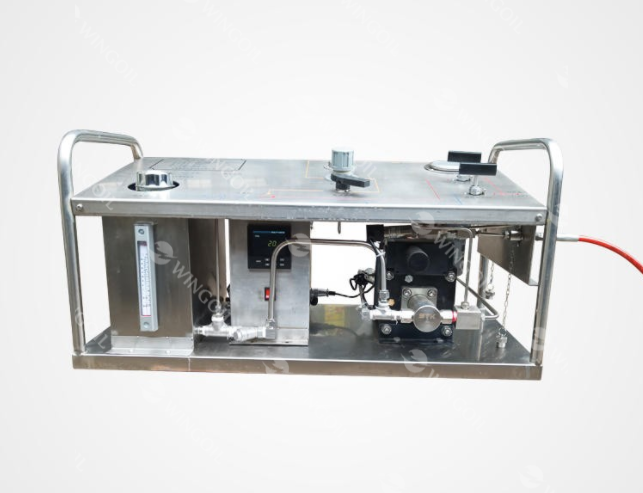
In hydrostatic tests, an efficient and effective pump plays a vital role in the process. Wingoil Portable Hydrostatic Pressure Test Pump with Paperless Recorder is designed to perform both underground and above-ground tests, where compressed air acts as a power source to speed up the test process.
This device is provided with an electronic paperless recorder that automatically records test data, minimizing errors in recording, thus enhancing efficiency in testing. The pump body and parts are made of stainless steel, thus suitable for harsh environments. This pump head is designed for high pressure and high flow, thus offering a range of control for pressure, flow rate, and pressure hold time, thus suitable for a range of tests.
Key Specifications:
- Maximum Output Pressure: 8300 bar / @8.3 bar
- Maximum Flow Rate: 3.62 L/min @7 bar
- Air Pressure: Maximum 10 bar / 145 psi
- Water Tank Capacity: 20 L
- Pressure Ratio: 1:100
For design purposes, frames, panels, valves, and pipings are all made of stainless steel, the hydraulic cylinder of anodized aluminum, so that whatever material is being tested will interplay within the system. Easy to transport and accurate, the Wingoil Portable Hydrostatic Pressure Test Pump offers dependable data for hydrostatic pressure testing. Depending on the pipeline, storage tank, or pressure vessel, the product is an ideal choice for any industrial application.
Summary
Hydrostatic pressure testing is a critical state in safeguarding the safe operation of industrial equipment. By the use of professional testing pumps and digital recording systems, the testing efficiency can be enhanced, maintaining accuracy and reliability of the data generated. Piping, storage tanks, or boilers; regular hydrostatic pressure testing is an elemental preventive measure for any organization. When looking for reliable hydrostatic pressure testing equipment, Wingoil proves to be a good staking option.
Related Articles