How Does a CO2 Gas Booster Pump Support Carbon Dioxide Recovery and Transfer?
In industrial carbon dioxide systems, the gas source pressure often fails to meet the requirements of downstream equipment. During the stages of CO2 recovery, storage, and transportation, the gas needs to be pressurized a second time in order to be reused or sent to other processes.
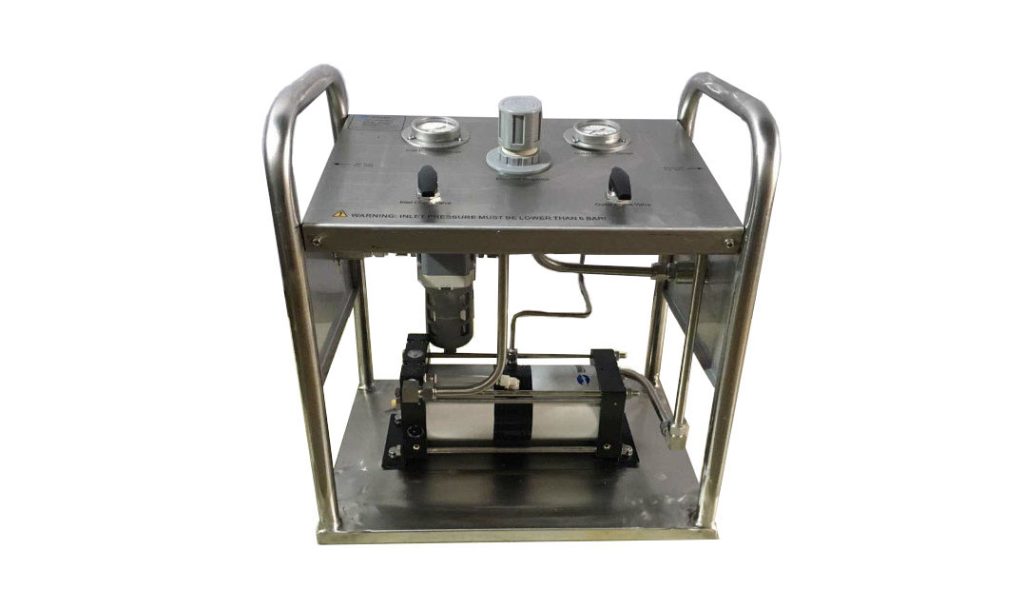
The CO2 gas booster pump is used to increase the pressure of the original gas source. After proper selection and adaptation, no new gas supply system needs to be set up, and the requirements for gas recovery, transportation, and high-pressure conditions can be met.
When connecting the booster pump to the industrial process, the working conditions and equipment parameters must be clearly defined.
Why Does CO2 Recovery and Transfer Require Pressure Boosting?
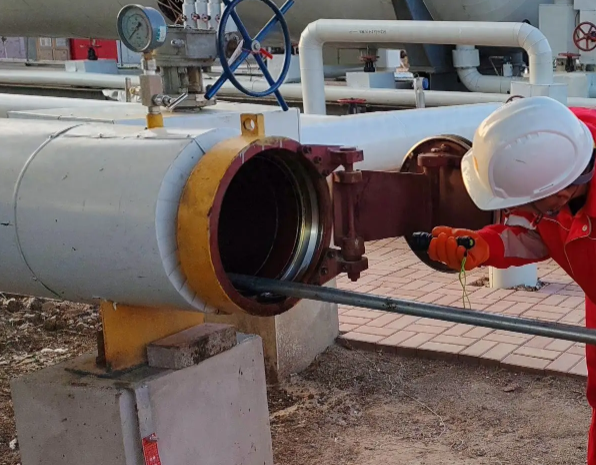
CO2 recovery and transport systems usually require several types of equipment, such as sources of gas, tanks for storing CO2, pipelines, and other equipment. Differences in pressure between these devices may influence the transportation process of gas.
Three common situations may require additional pressure:
Low Inlet Pressure During CO2 Recovery
The recovered CO2 may be available at a pressure that is too low to allow the gas to proceed with the next step in the process. A booster can be used to raise the pressure of the gas prior to it being sent to storage or further equipment.
Maintaining Sufficient Pressure for Gas Transfer
When carbon dioxide flows between storage equipment and processing systems, pressure losses in pipes, valves and other components can affect the transportation. Appropriate-sized boosters can help provide additional pressure to meet downstream operating requirements.
All CO2 uses do not require the same pressure levels. A CO2 recovery system, a CO2 gas pipeline, and a high pressure test station will all have quite distinct pressures to operate from. Consequently, it is important that the booster set be configured to match this.
How Does a CO2 Gas Booster Pump Work in a Recovery System?
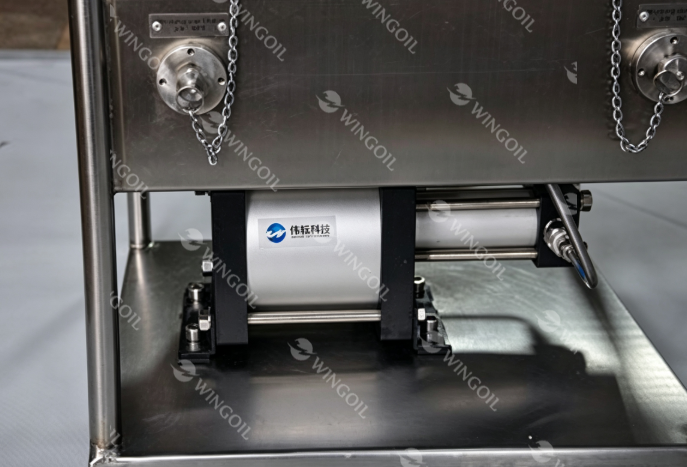
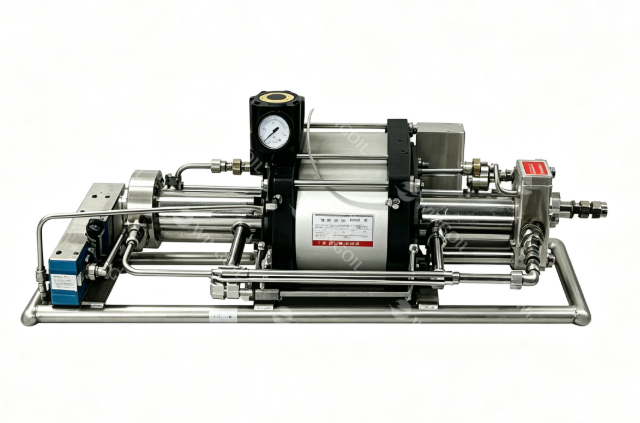
An air-driven CO2 gas booster uses compressed air as its power source to increase the pressure of CO2. Its operation can be understood through three main stages.
CO2 Gas Inlet and Supply Conditions
Carbon dioxide is fed into the booster unit from an existing gas source. The inlet pressure and the flow rate determine the conditions under which the machine will operate.
Prior to use, the gas source needs to meet certain criteria for pressure, temperature, and cleanliness.
Pressure Boosting Through Pneumatic Drive
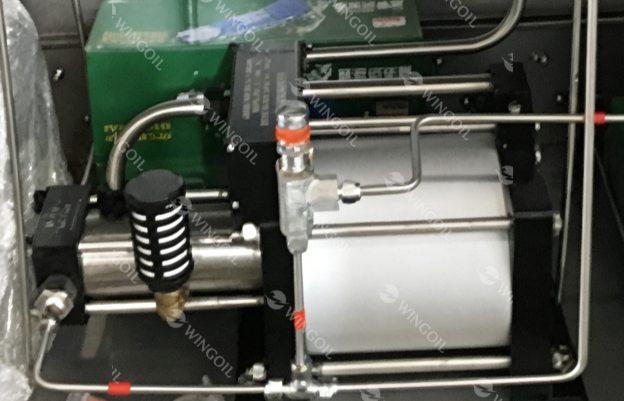
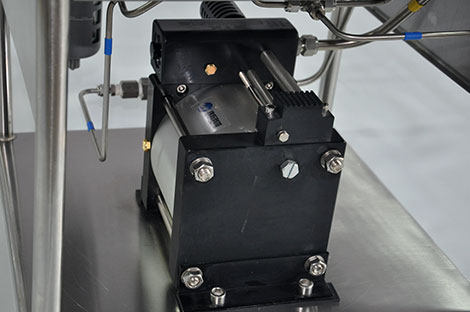
The compressed air moves a large-area piston, which then moves a small high pressure piston. The difference in piston area enables the equipment to produce high gas pressure.
The booster works with the help of reciprocating action and the check valves to pull in and discharge the CO2. The output pressure depends on the drive air pressure and the pressure ratio of the equipment.
Delivering Pressurized CO2 to the Next Process
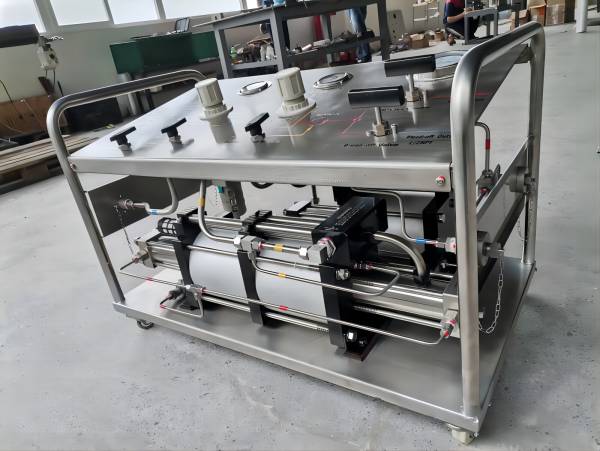
Once the required pressure is reached, the pressurized carbon dioxide will flow to the downstream equipment. Depending on the system configuration, pressure gauges, control valves, and automatic switching devices can be used to regulate the operation.
For example, Wingoil’s carbon dioxide booster can automatically stop when pressure balance is achieved on the pressure side, and restart when the pressure drops.
Key Applications of CO2 Gas Booster Pumps
CO2 boosters are used in several industrial applications where the existing gas supply cannot directly meet the required pressure.
CO2 Gas Recovery and Reuse
In CO2 recovery systems, recovered gas may need additional pressure before being stored or reused. A booster can help move the gas into the next stage of the system, supporting the reuse of available CO2.
CO2 Transfer Between Storage and Processing Equipment
When CO2 needs to be transferred between storage vessels, pipelines, and processing equipment, a booster can provide the pressure required for gas delivery. The equipment should be sized according to the transfer rate and pressure difference.
CO2 Supply for Industrial Foaming Processes
Some industrial foaming processes use CO2 as part of their production operation. A CO2 booster can provide pressurized gas when the existing supply does not meet the process requirements.
High-Pressure CO2 Leak Testing
For pressure testing and leak detection, CO2 may be used as a test medium in appropriately designed systems. A booster can raise the gas pressure to the specified test level. Pressure ratings, connections, and safety protection must be suitable for the testing conditions.
What Should You Consider When Configuring a CO2 Booster System?
Choosing a CO2 booster system requires more than checking its maximum output pressure. The following parameters should be confirmed before selecting equipment:
- Inlet Pressure: Identify the normal and minimum pressure available from the CO2 source.
- Required Outlet Pressure: Confirm the working pressure required by downstream equipment.
- CO2 Flow Rate: Calculate the gas consumption or transfer demand to ensure sufficient delivery capacity.
- Booster Configuration: Single-stage, double-acting, or two-stage designs may be considered depending on pressure and flow requirements.
- Gas and Sealing Compatibility: Confirm that wetted materials, seals, and valves are suitable for the actual CO2 pressure and temperature conditions.
- Control and Safety Requirements: Determine whether the system needs automatic start-stop control, pressure monitoring, or additional overpressure protection.
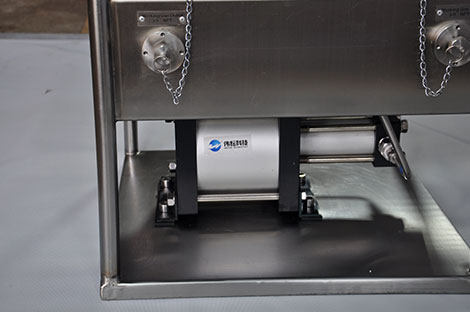
At the same time, special attention should be paid to the phase of CO2: the dedicated pressurization equipment for gaseous CO2 cannot be directly used for liquid CO2; when transporting liquid media, only dedicated models and matching components can be selected.
The CO2 pressurization system compensates for the pressure difference between the gas source and the downstream working conditions. Whether it is for gas recovery, transportation, foaming or pressure testing scenarios, the selection should be based on the actual working conditions to ensure stable and reliable operation.
Wingoil can provide customized CO2 pressurization solutions that are suitable for various industrial pressures and flow rates. Please contact us to discuss the working conditions and select the appropriate pressurization system.
Related Articles