Gamma Ray Tools in Well Logging: Applications and Key Considerations
Well logging provides important information about subsurface formations during oil and gas exploration and production. Among the various measurements used for formation evaluation, natural gamma ray logging is one of the most widely applied methods. It records the natural gamma radiation emitted by formations and helps engineers identify changes in lithology, correlate formation intervals, and evaluate shale-rich zones.
A gamma ray logging tool can be deployed as part of a wireline logging string or integrated into other downhole measurement systems. Depending on the tool design and application, it may provide total gamma ray measurements or more detailed spectral information related to potassium, uranium, and thorium.
Understanding how these measurements are generated and what can affect their quality is important when selecting and preparing a downhole gamma ray tool for field operations.
How Gamma Ray Tools Work in Well Logging
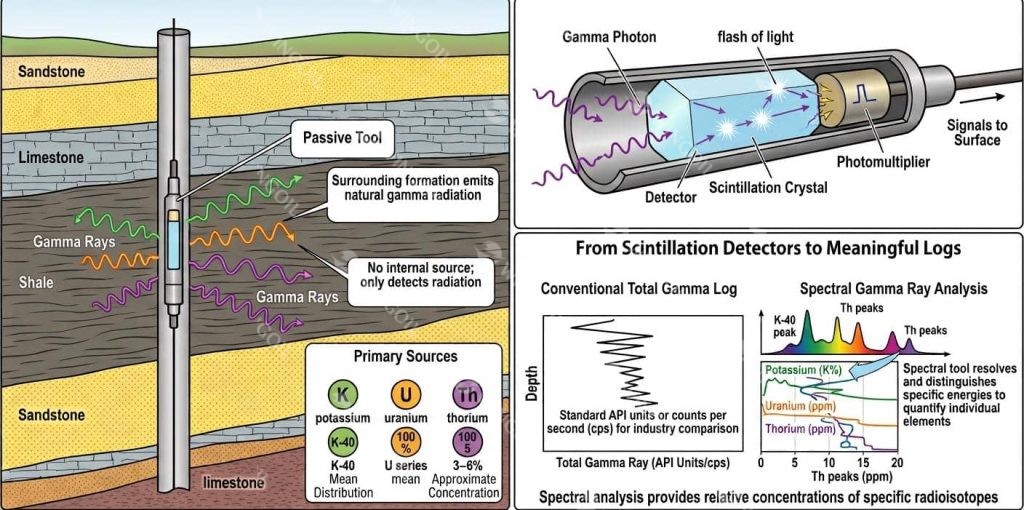
Natural gamma ray logging is a passive measurement technique. Instead of generating radiation, the tool detects gamma radiation that naturally occurs in the surrounding formation.
The main natural sources are associated with radioactive isotopes in the potassium, uranium, and thorium decay series. A detector inside the tool records gamma photons and converts the detected radiation into measurable signals. Scintillation detectors, such as sodium iodide or cesium iodide crystals, are commonly used for this purpose.
The resulting data can be presented as a gamma ray log, showing the measured response against depth. Total gamma measurements are commonly expressed in counts per second or standardized API gamma ray units, allowing measurements to be interpreted and compared using industry-standard scales.
For more detailed formation evaluation, spectral gamma ray tools can distinguish gamma radiation by energy and estimate the relative or calibrated concentrations of potassium, uranium, and thorium. This provides additional information beyond a conventional total gamma ray measurement.
Applications of Gamma Ray Logging in Oil and Gas Wells
Gamma ray measurements are useful because changes in natural radioactivity often correspond to changes in formation composition. However, the measurement should normally be interpreted together with other logging data rather than used as a standalone indicator.
Lithology Identification
Gamma ray logs are commonly used to identify changes in lithology and distinguish relatively radioactive formations from cleaner intervals. Shales and clay-rich formations often produce higher gamma ray responses, while many clean sandstones and carbonates produce lower responses. However, radioactive minerals in other rock types can also increase the gamma ray response, so geological context remains important.
Shale Content Evaluation
In suitable sandstone–shale sequences, gamma ray data can be used to estimate shale content or shale volume. This makes the measurement useful during formation evaluation, particularly when identifying intervals that may have different reservoir characteristics.
The relationship is not universal, however. Radioactive minerals in a formation can produce elevated gamma ray readings even where the formation is not predominantly shale. For this reason, gamma ray interpretation is generally combined with other petrophysical measurements.
Formation Correlation
Because gamma ray responses change with formation characteristics and depth, gamma ray logs can be compared between wells to identify corresponding geological intervals. This makes them useful for well-to-well correlation and stratigraphic interpretation.
Gamma ray data can also help correlate different logging runs within the same well, providing a common reference for aligning measurements acquired by different tool strings.
Well Placement and Real-Time Evaluation
Gamma ray measurements can also support directional drilling and logging-while-drilling applications. Spectral gamma ray systems, for example, can provide real-time formation information that helps distinguish different geological layers and support well placement decisions.
In these applications, the value of the measurement depends not only on detector performance but also on the tool’s ability to operate reliably under the pressure, temperature, vibration, and mechanical conditions encountered downhole.
Related Articles: 5 Essential Ways to Ensure Pipe Integrity Testing Success
Key Factors That Affect Gamma Ray Measurements
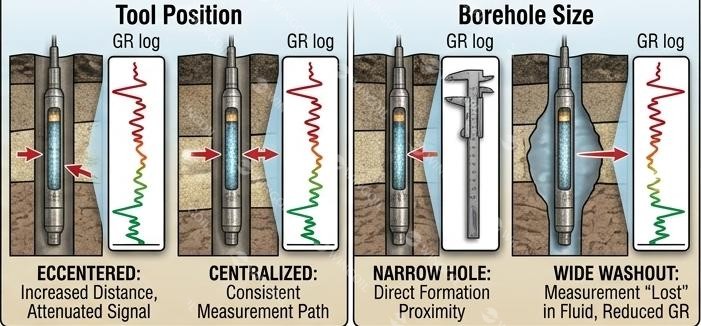
A reliable gamma ray log depends on more than the sensitivity of the detector. Formation characteristics, borehole conditions, tool configuration, and logging parameters can all influence the recorded response.
| Factor | Why It Matters |
| Formation lithology | Different minerals and rock types can produce different natural gamma responses. |
| Shale and clay content | Clay-rich formations often have higher gamma ray readings. |
| Borehole size | Changes in borehole geometry can affect the measurement environment around the detector. |
| Tool position | Centralization or eccentering can influence the distance between the detector and formation. |
| Logging speed | Faster movement reduces the time available to collect gamma counts and can affect statistical quality. |
| Casing and cement | Well construction materials can attenuate gamma radiation and should be considered when interpreting measurements. |
| Tool calibration | Calibration against known standards is important for producing consistent and interpretable measurements. |
Gamma ray detection is also subject to statistical variation. Longer measurement times generally improve counting statistics, while excessive logging speed can reduce measurement quality. Borehole diameter, casing characteristics, and tool position can also become important when more quantitative interpretation is required.
For this reason, engineers should consider the complete logging environment rather than evaluating a gamma ray tool only by its detector sensitivity.
Evaluating Gamma Ray Tools Before Downhole Deployment
Selecting a suitable tool starts with the requirements of the well and the intended measurement.
Measurement Requirements
Consider whether the application requires total gamma ray measurement or spectral gamma ray data. Measurement range, sensitivity, vertical resolution, data transmission, and compatibility with the existing logging system should also be evaluated.
Downhole Operating Conditions
A downhole gamma ray tool must be capable of operating within the expected pressure and temperature range of the well. Tool dimensions, borehole size, mechanical configuration, and the intended deployment method should also be considered.
Commercial gamma ray tools, for example, can have defined pressure and temperature ratings as well as specified logging speeds and positioning requirements. These specifications should be matched to the actual well conditions rather than selected independently.
Testing Before Deployment
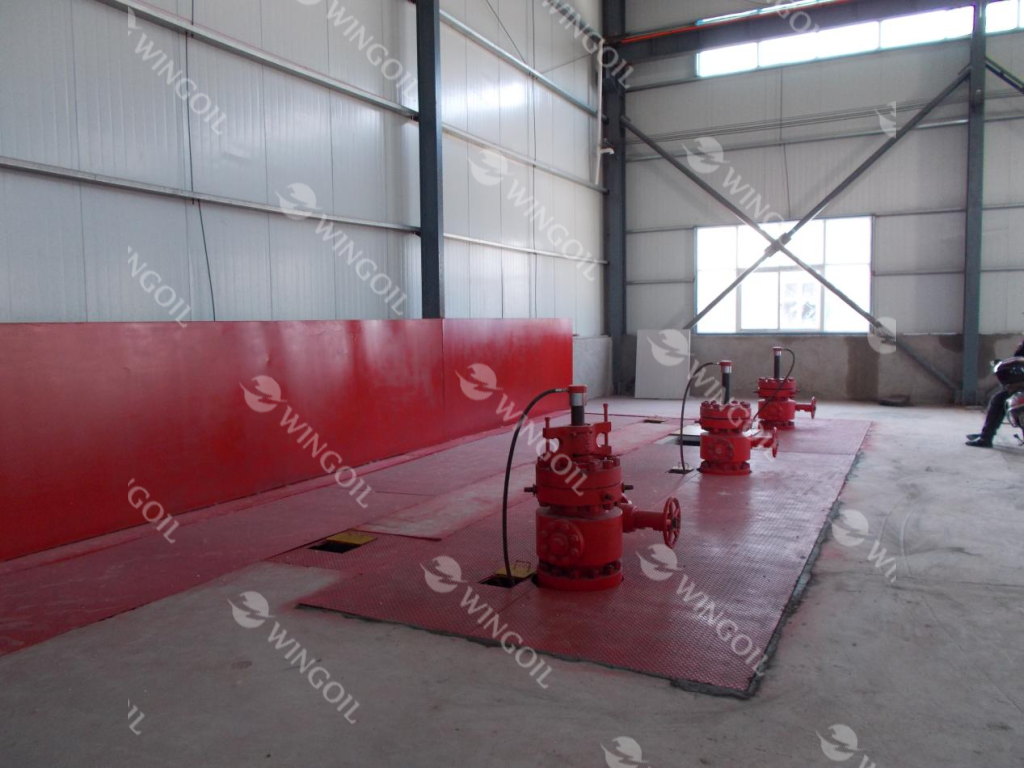
Testing is another important part of preparing downhole instruments. Pressure integrity, sealing performance, housing condition, connections, and other mechanical or functional characteristics may need to be verified before a tool is deployed.
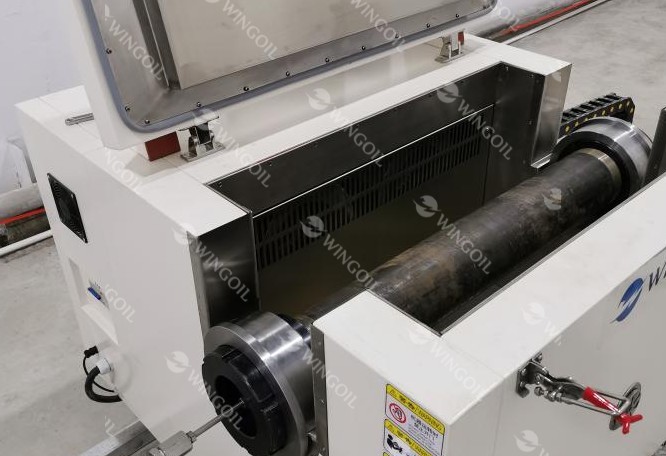
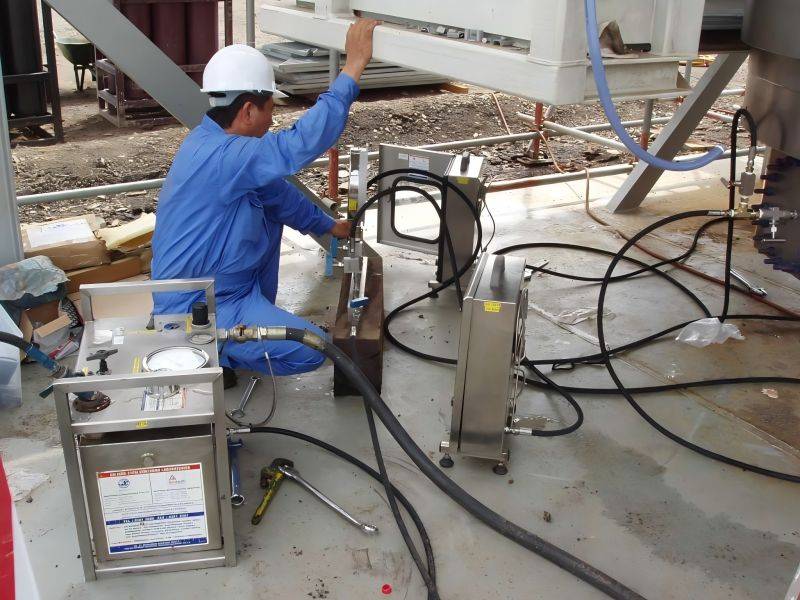
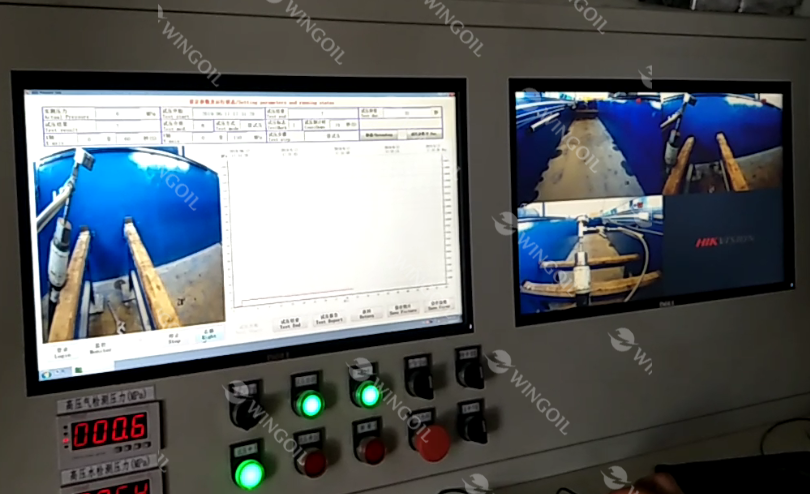
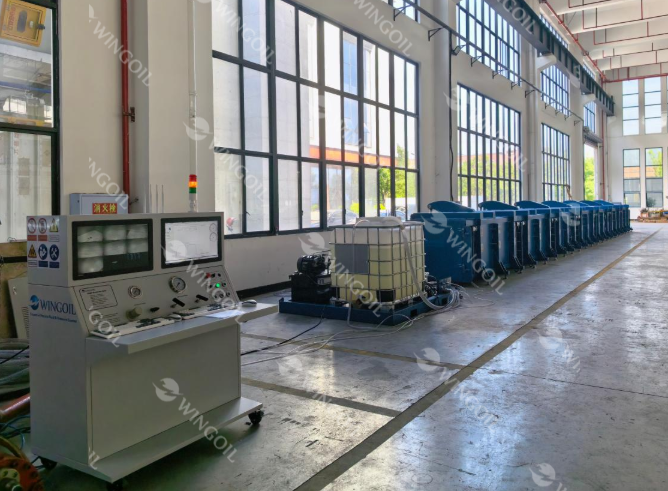
For logging and drilling instruments, surface testing can help identify potential problems with electronic housings, pressure barriers, and sealing components before field operations. Wingoil’s downhole tool testing solutions cover logging and drilling instruments such as MWD/LWD tools and include pressure, sealing, and functional verification capabilities.
For demanding high-temperature and high-pressure applications, testing can also be designed to simulate relevant downhole conditions before deployment.
A reliable gamma ray measurement starts with the right tool, but accurate interpretation also depends on formation characteristics, borehole conditions, logging parameters, and calibration. By considering these factors during tool selection and pre-deployment testing, operators can improve confidence in the measurements collected downhole.
Wingoil provides pressure testing and downhole tool testing solutions for oil and gas equipment. Contact our team to discuss your testing requirements.
Related Articles