How to Ensure Oilfield Packer Safety?
An oilfield packer is a critical tool used in oil and gas well completion and downhole operations. Its primary function is to isolate different sections of a wellbore and control fluid flow. In complex downhole environments, pressure, temperature, mechanical loads, and fluid conditions can all affect a packer’s sealing performance and structural integrity. Packer failure may result in additional maintenance costs, operational delays, and increased safety risks.
So, how can oilfield packer safety be ensured? In addition to selecting the right product, it is essential to perform pre-use inspections, follow proper installation procedures, conduct pressure testing, and implement regular maintenance. This article explores common oilfield packer safety risks, key testing procedures, and important considerations when selecting testing equipment to help oilfield operators, completion engineers, and manufacturers improve quality verification and risk management.
Why Is Oilfield Packer Safety So Important?
Oilfield packers are designed to function under specific pressure, temperature, and fluid conditions. According to the product type and its application, packers could be subjected to differential pressure, mechanical loads, and chemically reactive downhole fluids. The wrong product selection, incorrect installation, or damage to seal elements affect the isolation performance of the packer.
Proper oilfield packer testing is essential for three key reasons, all of which contribute to safer and more reliable well operations
Maintaining Reliable Wellbore Isolation
Wellbore Isolation is one of the key responsibilities of the Packer. Should the sealing components be defective, should the specification of the product be inappropriate to the operating conditions, or should the installation procedure not have been carried out according to the rules, the Packer will not be able to meet the set sealing specifications.
That is why checking the product specifications and carrying out performance tests before its utilization is an integral part of quality management.
Reducing Equipment Failure and Operational Downtime
Failure of the packer may call for further maintenance and replacement of equipment or operational delays. In some underground conditions, failure of the seal may present even more risks.
Proper selection of equipment, standard operations practices, and appropriate testing will be able to uncover potential issues and gather information on the performance of the equipment.
Supporting Quality Management and Traceability
Standardized testing procedures for oilfield packers from the manufacturer and third party testers can assist in documenting the condition of the product, confirming performance specifications, and assisting with future quality tracing.
It should also be noted that packer safety can not be guaranteed by one test alone. Consideration must be made for the product design, operating conditions, quality of installation, maintenance, and well conditions.
Common Oilfield Packer Safety Risks and Failure Causes
Understanding common failure mechanisms helps manufacturers and operators develop appropriate preventive measures for different risks.
Mismatch Between Product Specifications and Operating Conditions
Different packers are designed for different wellbore conditions and operational requirements. If the pressure rating, temperature range, materials, or structural design do not match the intended application, the packer may not deliver the required performance.
Preventive measures: Before selecting a packer, review the manufacturer’s technical specifications and confirm that the product is suitable for the expected pressure, temperature, fluid environment, and operating conditions.
Damaged or Deteriorated Sealing Elements
Sealing components are vital for effective sealant packer seal. Service longevity, inadequate storage, material incompatibility, and operation outside its design limits can impact its functionality.
Preventive measures: Check sealing components as per the manufacturer’s guidelines. The components that are in damaged or aged condition and are likely to impact their functionality should be checked and handled accordingly.
Improper Installation
Incorrect installation, improper connections or non-conformity to the proper sequence of installation can affect the performance of the packer in terms of sealing and anchoring ability.
Preventive measures: Follow the manufacturer’s instructions and operating procedures during installation and conduct pre-operation inspection.
Pressure, Temperature, or Mechanical Loads Exceeding Design Limits
Packer systems in oil fields need to function within their designated service ranges. Higher pressures, temperatures, and mechanical stress can possibly put the equipment at risk of damage and failures in seals.
Preventive measures: Apart from considering the designated pressure and temperature, also determine the actual differential pressure, variations in pressure, mechanical stresses, and other related factors.
Corrosion and Material Compatibility Issues
Fluid composition and environmental conditions in oil and gas wells can affect packer metal components and sealing materials. If the selected materials are unsuitable for the intended environment, corrosion, swelling, degradation, or other performance changes may occur.
Preventive measures: Evaluate material compatibility during product selection and develop inspection and maintenance plans based on actual operating conditions and the manufacturer’s recommendations.
How to Inspect an Oilfield Packer Before Use?
Pre-operational inspection is one critical way through which operation risks can be minimized. The type of inspection will depend on the type of packer and operating procedure among others.
Verify Product Identification and Technical Documentation
Verify that the packer meets the requirements for the specified task by checking its product identity, model number, rating specifications, and applicable technical documentation.
The following information must be checked:
- Product model and intended application.
- Rated pressure, temperature, and other relevant parameters.
- Connection types and compatibility requirements.
- Product inspection, maintenance, and service records.
- Inspection and testing requirements specified by the manufacturer.
Inspect the Exterior and Critical Components
Inspect the housing, connections, sealants, and other parts for signs of any damage, corrosion, deformation, or wear.
If there are indications of any defect, which may have an impact on the integrity of the product, additional analysis should be performed using the inspection and repair criteria established by the manufacturer. A regular visual inspection does not guarantee that the product meets all criteria.
Confirm Material Compatibility with Operating Conditions
Apart from analyzing the structure of the product, ensure that the sealing components and materials are appropriate for the nature of the fluids, temperature, and pressure conditions.
In situations where there is high corrosion risk or any other complex operating conditions, the compatibility of the materials should be tested based on the particular project demands.
Determine Whether Further Performance Verification Is Required
Based on the product’s service history, repair records, project requirements, and applicable standards, determine whether pressure testing or other performance verification is necessary.
Visual inspection cannot replace required performance testing. Similarly, pressure testing cannot replace other inspections that may be necessary.
How to Test an Oilfield Packer Safely?
Packer testing in the oil fields is an essential aspect of product quality assurance. In line with the intended purpose for testing, tests may be conducted to check sealing capabilities, pressure-bearing characteristics, or condition after servicing.
The suitable testing process needs to be identified based on the packer type, the product design, relevant standards, and accepted test methods. One test pressure or time should not be used uniformly for all packers.
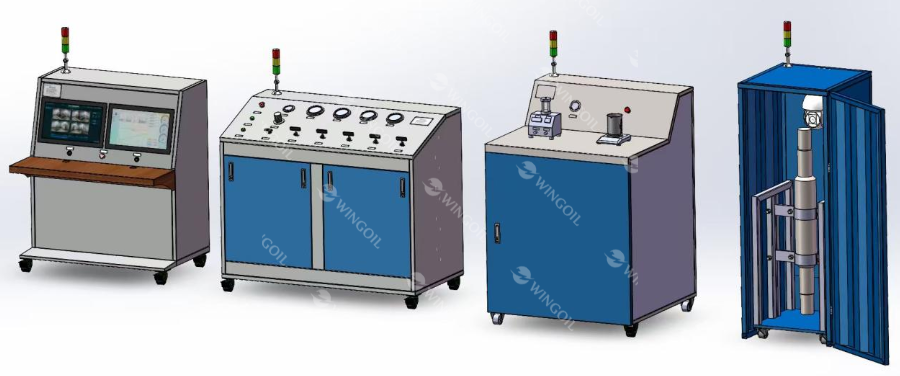
Step 1: Define the Testing Objectives and Acceptance Criteria
Before testing begins, confirm the packer model, required test items, intended operating conditions, and applicable acceptance criteria.
The following information should be established:
- Type and technical specifications of the test specimen.
- Testing objectives and applicable testing standards.
- Test medium and compatibility requirements.
- Specified test pressure and pressure-holding requirements.
- Testing system capabilities and acceptance criteria.
All test parameters should be based on applicable standards, manufacturer requirements, or an approved test plan.
Step 2: Inspect the Testing Equipment and Specialized Fixtures
Prior to mounting the test specimen, check the test equipment, connections, sealing hardware, pressure measuring devices, and special tools.
The test equipment and the pressure containing components must be adequate for the particular testing situation. The special tools used must be compatible with the geometry of the packer.
Step 3: Install the Packer Correctly and Verify Test Conditions
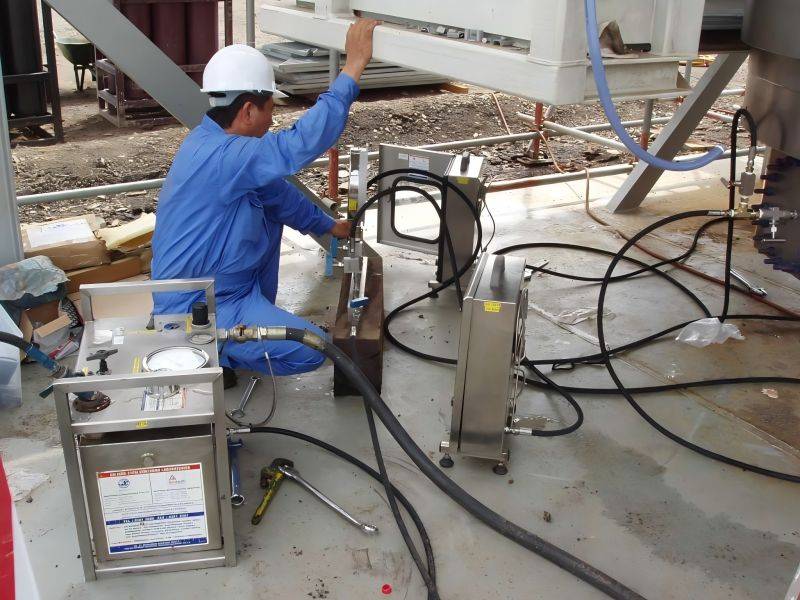
Properly install the packer by following the prescribed testing procedure. Ensure that all the connections and fittings are compliant with the testing procedures.
Ensure that all system checks have been done before testing, and proper isolation is set up within the testing area.
Step 4: Conduct the Test According to the Approved Procedure
After making sure that the testing system is set up, control the conditions of test medium, pressure, etc., according to the test plan.
When testing at high pressure, proper precautions have to be undertaken. The system has to be observed as per the instruments specified in the test plan. Connections should not be tightened while the system is under pressure.
Step 5: Monitor Test Conditions and Record Data
During the test, observe the pressure and other parameters based on the relevant procedure and note the required information.
In case of any abnormal changes in pressure or leakage signs, or other conditions not in line with the approved procedure, stop or terminate the test using the prescribed safety protocol. Investigation of the problem should be done only after ensuring proper safety measures.
Step 6: Evaluate Results and Maintain Test Records
The results should be evaluated according to the relevant criteria for acceptance, not the product conformance to a single reading after testing.
The test report should contain all the product identification, test conditions, instruments used, test results, and any unusual observations. These records support subsequent quality traceability and technical evaluation.
Wingoil High-Pressure and High-Temperature Testing Equipment for Oilfield Packer Safety
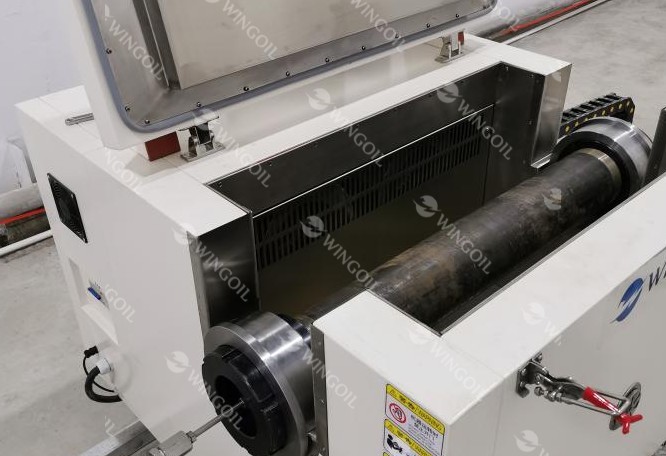
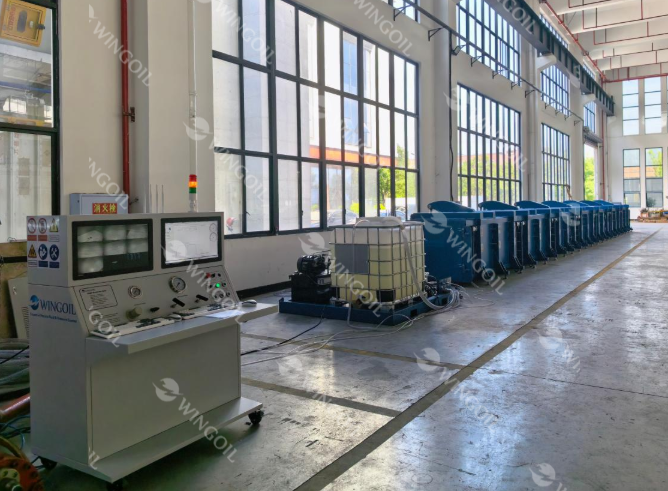
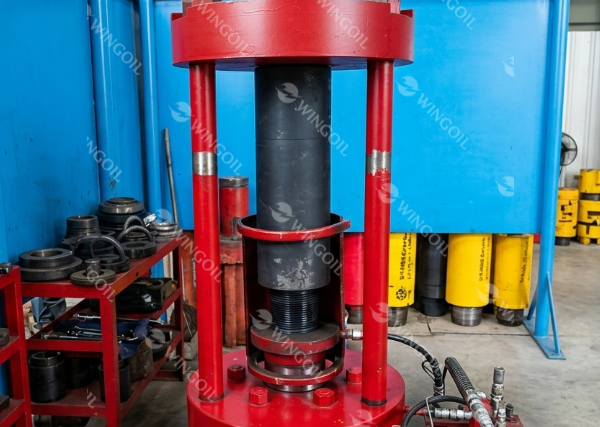
For the performance evaluation of oilfield packers during the difficult downhole operations, Wingoil supplies the high pressure and high temperature downhole tool testing facility which can be used for packers, bridge plugs, downhole safety valves, and other downhole tools.
This testing facility can simulate high temperatures, high pressures, axial loadings, and fluid immersion in order to assess structural integrity and sealing performance.
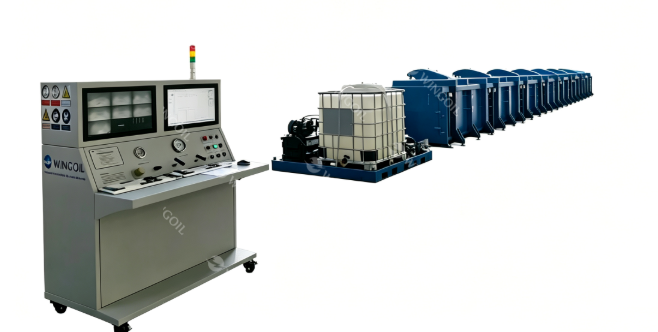
Key features include:
- High-pressure and high-temperature testing: Maximum test pressure of 140 MPa and maximum test temperature of 200°C.
- Combined load simulation: Supports axial tensile and compressive loading of ±500 kN, with a test stroke of 1,000 mm.
- Multiple test media: Supports media such as clean water, drilling mud, heat transfer oil, and nitrogen.
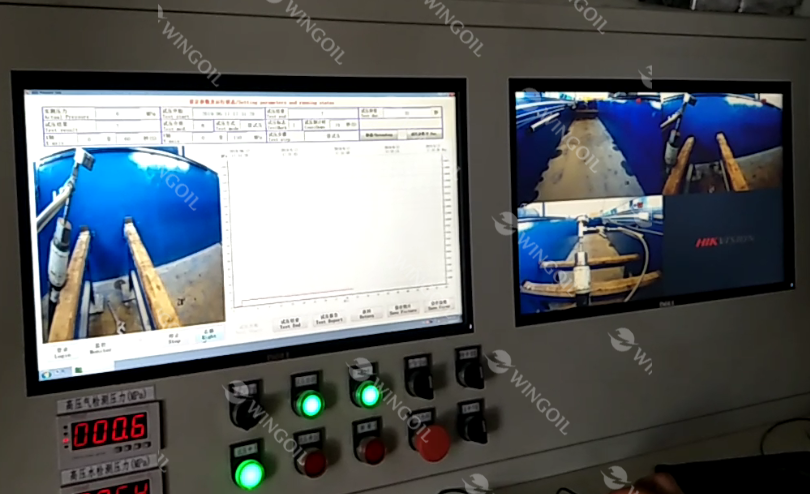
- Automated control: Uses PLC-based control to collect pressure, temperature, load, and displacement data in real time and automatically generate test curves and reports.
When selecting testing equipment, consider the packer’s structural design, target test conditions, and applicable standards to determine the appropriate system configuration.
Contact Wingoil today to discuss your oilfield packer testing requirements and find a suitable testing solution.
Oilfield Packer Maintenance and Failure Prevention
In addition to pre-use checks and tests for performance, appropriate maintenance management may serve to minimize the likelihood of packer failure.
Follow the Manufacturer’s Maintenance Requirements
Packers are made using different designs, materials, and operating procedures. As a result, checking, repairing, and replacing should follow the guidelines of the manufacturer’s maintenance guide.
Monitor Sealing Elements and Wear Components
Sealing and wear components must be evaluated based on the design of the component and the operating conditions. In case of damage or wear out, a decision has to be made about repairing, replacing, or inspecting the part as per the guidelines from the manufacturer.
Follow Proper Storage and Handling Procedures
In storage and transportation, protection of packers from mechanical damage, contamination, corrosion, and other influences of the environment that can influence the state of the product is necessary.
Storage conditions must satisfy the requirements specified in the technical documentation for the product.
Maintain Traceable Inspection and Maintenance Records
Keep records regarding inspections, repairs, replacement of parts, results of relevant tests, and other important information.
Such records will help in keeping track of the state of the products over a period of time.
FAQs About Oilfield Packer Safety
How Often Should an Oilfield Packer Be Inspected?
The frequency of inspection is determined by the product design, operational conditions, maintenance history, and any managerial requirements that are applicable.
Refer to the manufacturer’s instructions as well as the project specifications for more information. Further inspection may be needed if abnormalities are detected or after maintenance is carried out.
What Are the Common Signs of Oilfield Packer Failure?
Some of the indicators of this can include inability to seal as required, pressure changes while testing, indication of any leakage and damage to sealing components during inspection. The importance of such observations should be determined based on the packer being considered, available information and the inspection process used.
Can Pressure Testing Guarantee Absolute Packer Safety?
No. Pressure testing is useful to analyze specific attributes of packers, but cannot ensure their safety in all real-life conditions. The choice of the product, its installation, material compatibility, maintenance condition, and operating conditions are other factors that need to be considered.
Conclusion: Improving Oilfield Packer Safety Through Inspection, Testing, and Maintenance
Ensuring oilfield packer safety requires a comprehensive approach covering product selection, pre-use inspection, performance testing, routine maintenance, and record management.
By integrating these measures with actual well conditions, product design, and applicable testing requirements, manufacturers and operators can better identify potential risks and support reliable equipment performance.
For manufacturers and testing service providers seeking to verify packer sealing performance or conduct related product testing, an appropriate testing system is also an important part of the quality verification process.
Looking for packer and bridge plug testing equipment? Contact Wingoil to discuss your testing requirements and equipment solutions.
Related Articles