Dissolvable Bridge Plug Testing: How to Determine the Right Test Requirements
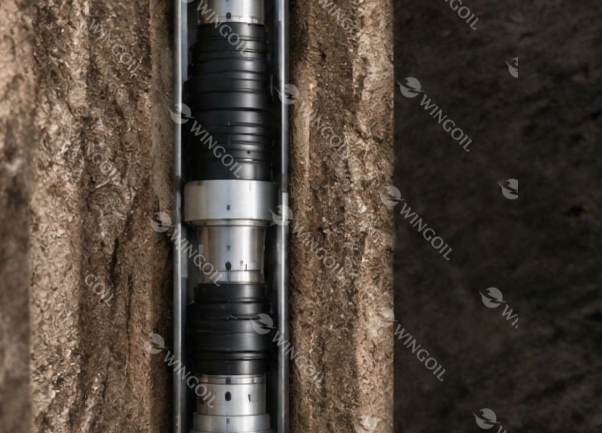
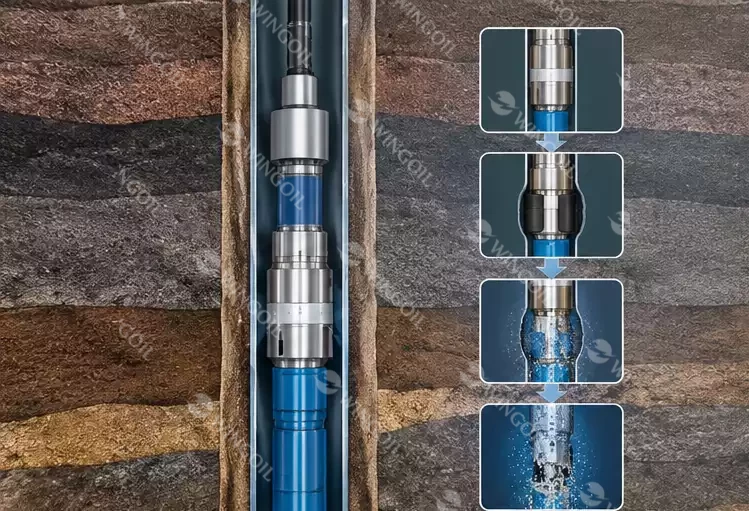
Dissolvable bridge plugs are used in multi-stage hydraulic fracturing to isolate sections of a well during treatment. They must provide reliable sealing under the required pressure conditions and then dissolve or degrade as intended under the specified downhole environment.
In order for the manufacturer or the testing engineer to prove that the functions work as expected, more than just one pressure or dissolution test should be performed. The test plan should include the design, materials, operating conditions, and expected service life of the bridge plug. What then should a test program for dissolvable bridge plugs look like?
What Should Be Considered Before Testing a Dissolvable Bridge Plug?
It is important to define the working conditions and the required performance standards of the bridge plug before selecting the method of testing.
Working conditions of the targeted well will be the key factor for creating the test plan. Such parameters as temperature, pressure difference, type of casing, and the nature of the fluids will influence the performance of the bridge plug. For example, the verification conditions for the bridge plug of the hot well will differ from those for the cold one.
Material selection and structural design are equally crucial. Soluble bridge plugs will use various soluble substrates, seals, and anchoring structures. These differences in design will change the downhole performance, pressure sealing capacity, and dissolution pattern of the bridge plug.
In addition, the operation time window needs to be determined. The bridge plug must function stably throughout the entire operation cycle before dissolution. Therefore, the test needs to simultaneously evaluate the temporary blocking and isolation effect of the bridge plug, as well as its dissolution performance in the later stage.
Based on all these requirements, an appropriate testing method can be selected, and corresponding acceptance standards can be formulated.
How to Select the Right Tests for Different Performance Requirements
A useful testing program should address the main functions of the bridge plug throughout its intended service life. The specific tests and acceptance criteria depend on the product design, applicable requirements, and target well conditions.
| Test | Main purpose | Key factors to evaluate |
| Setting performance test | Verify that the plug sets and releases as designed | Setting force, release stroke, setting curve, and final condition |
| Pressure sealing test | Evaluate pressure isolation capability | Differential pressure, holding time, pressure changes, and leakage |
| High-temperature and high-pressure test | Assess performance under combined operating conditions | Temperature stability, pressure stability, test duration, and structural condition |
| Dissolution test | Evaluate degradation under the intended environment | Fluid composition, temperature, dissolution progress, and remaining material |
Setting Performance Testing
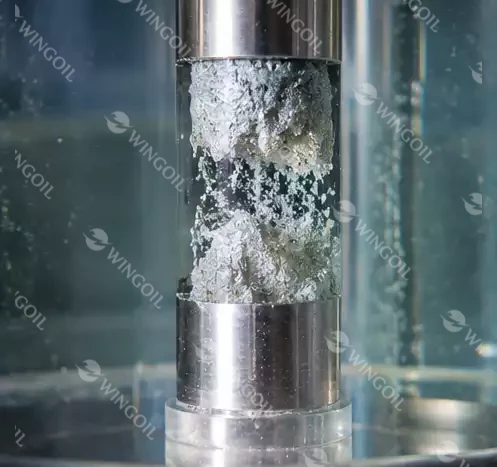
The bridge plug can only achieve effective isolation when it is properly positioned within the casing. The installation test is used to verify whether the bridge plug and the accompanying tools can complete the operation as per the design requirements.
It will be possible for engineers to detect the presence of any abnormalities in the process of installation through the force and displacement curves obtained during testing. The visual examination after the test can also reveal such problems as inadequate seating of the bridge plug and bridging plug shifting.
The test fixture must match the specifications of the bridge plug and the on-site casing conditions. However, it should be noted that merely passing the installation test does not mean that the bridge plug can maintain sealing under the designed pressure difference.
Pressure Sealing Testing
After setting, the plug must maintain isolation under the specified pressure conditions.
In the pressure sealing test procedure, engineers exert the specified differential pressure and observe the system for the entire holding period. The pressure variations need to be analyzed, together with potential leaks, plug movement, and the state of the testing apparatus.
The specified pressure and holding duration need to come from the test criteria and product design, not just any figure. Stable pressure readings are useful indicators, but they must be interpreted in conjunction with the testing equipment and measurement accuracy.
High-Temperature and High-Pressure Testing
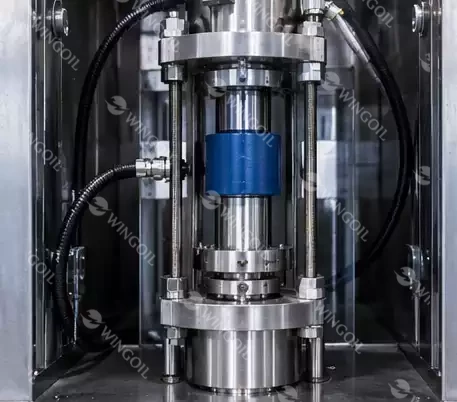
Temperature can affect material properties, sealing elements, and the mechanical behavior of a dissolvable bridge plug. Testing under combined temperature and pressure conditions helps assess whether the plug can maintain its required performance in the intended environment.
Engineers should consider the target temperature, differential pressure, stabilization period, and test duration. Where relevant, the interaction between temperature and the test fluid should also be considered.
A test conducted at room temperature may not adequately represent performance under high-temperature downhole conditions. The test conditions should therefore reflect the application being evaluated.
Dissolution Testing
The dissolution test is used to verify another key performance: whether the bridge plug can degrade according to the designed pattern after completing the sealing task.
The key influencing factors include the soluble substrate, fluid components, temperature, and soaking duration. Depending on the product type and field conditions, engineers can monitor quality loss, morphological changes, residual solids, as well as the size and total amount of residues.
This test not only verifies that the material can degrade, but also confirms whether the degradation process meets the on-site operation conditions and subsequent cleaning requirements.
How to Interpret Test Results and Identify Potential Issues
Test data should be evaluated as a complete record rather than as isolated readings.
For example, a pressure drop during a holding period may indicate leakage, but it can also be influenced by temperature changes, system compliance, or measurement issues. Engineers should investigate the cause before drawing conclusions about plug performance.
Similarly, if the setting curve deviates from the expected value, it indicates that there are abnormalities in the tools sent in, the setting process, or the bridge plug itself. The analysis should be conducted by combining the collected force values, displacement data, and the physical state after the test.
The results of the dissolution test cannot be interpreted independently of the scenario: a bridge plug that dissolves quickly in one type of test solution may behave differently when placed in other fluids. Only when the test conditions and evaluation methods are fully recorded, and the data comparison is made, can the data have reference value.
For reliable assessment, retain:
- Test parameters and equipment configuration.
- Pressure, temperature, force, and displacement data where applicable.
- Time-based curves and observations during testing.
- Photographs or inspection records before and after testing.
- The acceptance criteria and final evaluation.
This documentation helps engineers identify problems, compare product versions, and support quality-control decisions.
What Should a Dissolvable Bridge Plug Testing System Support?

Once the testing requirements are defined, the equipment can be selected around the functions that need to be verified.
A suitable system may need to support setting tests, pressure sealing tests, high-temperature and high-pressure tests, and dissolution evaluation. Depending on the testing program, important capabilities include:
- Pressure and temperature control: To establish and maintain the required test conditions.
- Dedicated test fixtures: To accommodate the plug dimensions and casing configuration.
- Data acquisition: To record relevant pressure, temperature, force, and displacement measurements.
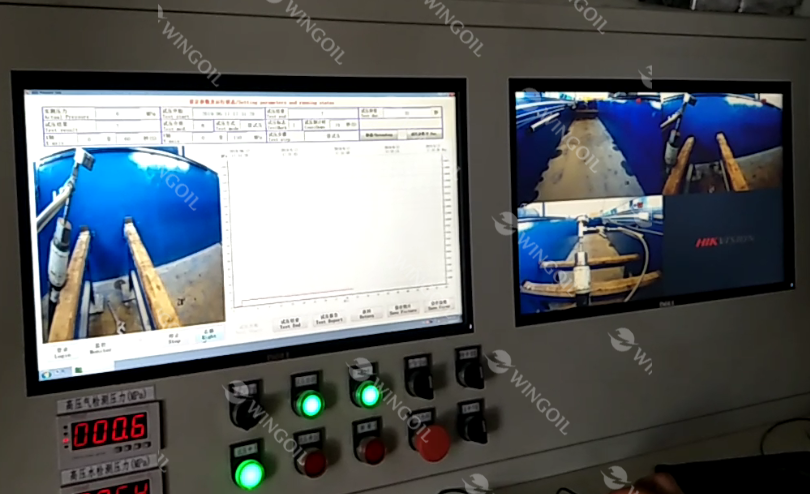
- Visual monitoring: To observe the test process and document visible changes.
- Safety protection: To provide appropriate guarding, interlocks, and safeguards for high-pressure and high-temperature operation.
The required capabilities should be determined before selecting equipment. Not every test program needs the same configuration, and the system’s operating limits must be suitable for the intended test conditions.
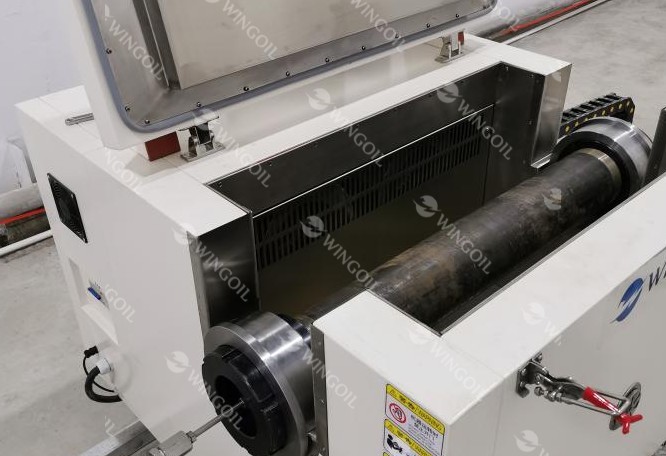
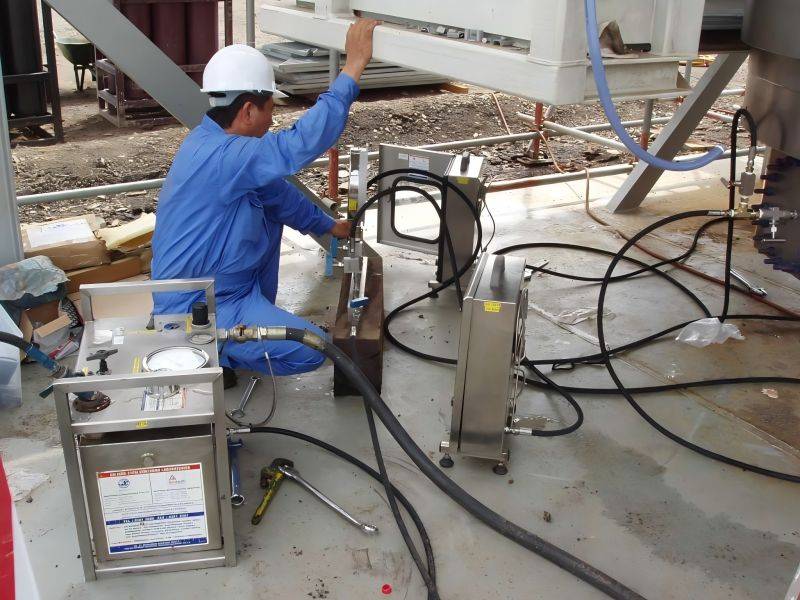
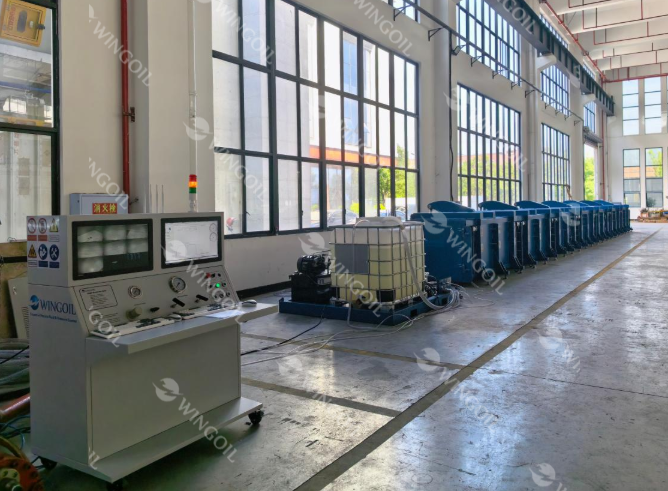
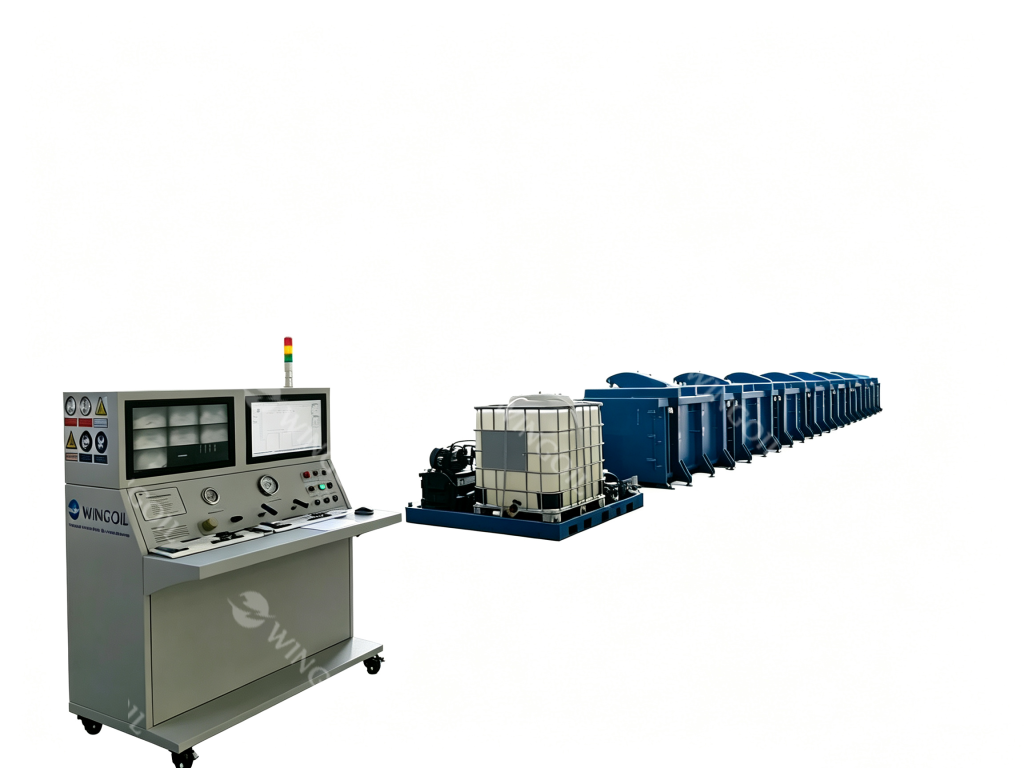
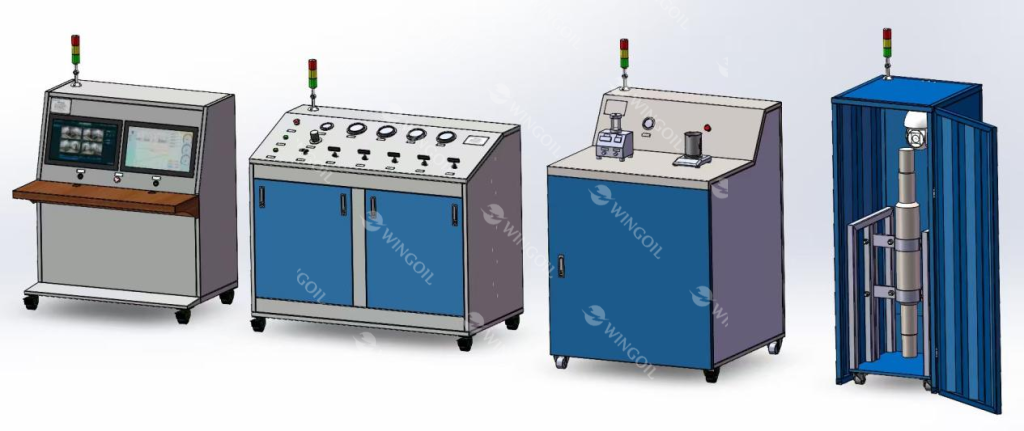
Wingoil’s Dissolvable Frac Plug Process Evaluation Test System is designed to support setting, pressure sealing, high-temperature and high-pressure sealing, and high-temperature dissolution testing. The system also supports monitoring of parameters such as release force, release stroke, and time-based pressure and temperature data.
For manufacturers and testing laboratories, selecting a system around actual product dimensions, test conditions, and data requirements helps make the testing process more repeatable and useful for performance evaluation.
Build a Test Plan Around the Intended Application
The most appropriate test program should take into account plug geometry, plug material, well conditions, and relevant acceptance criteria. The combination of adequate testing and effective data acquisition will ensure a more solid foundation for product validation than a single test result.
Wingoil offers testing equipment for organizations looking to either design or evaluate their dissolvable bridge plugs that fulfill the performance verification requirements of their respective applications. Please contact Wingoil to get a testing system that suits your plugs.
Related Articles