Containerized High-Pressure Test Bay Designs for Different Industrial Applications
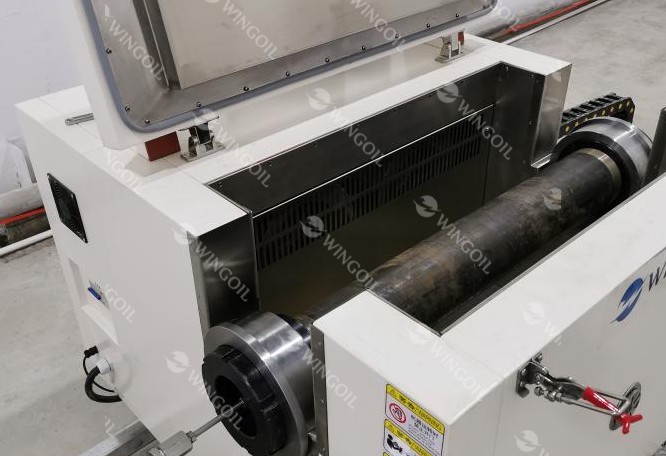
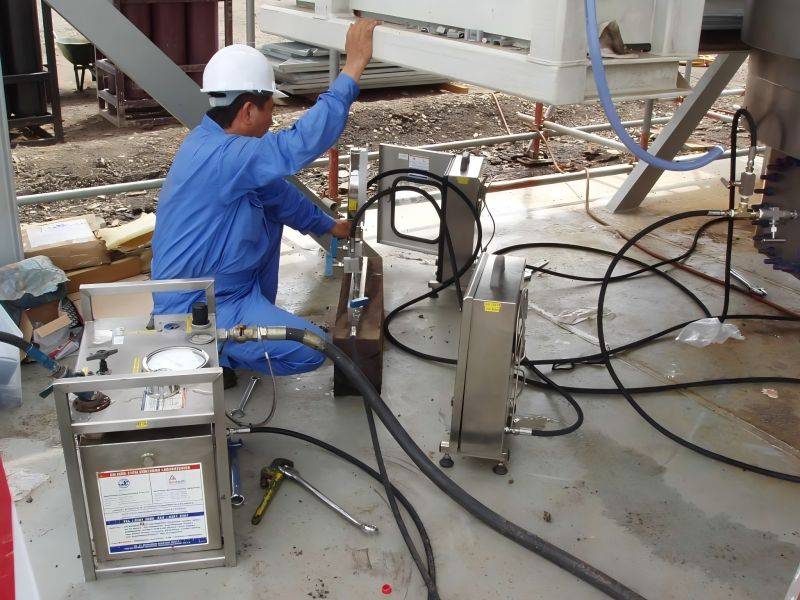
Containerized high-pressure test bays provide a contained environment for pressure testing valves, downhole tools, and other pressure-bearing equipment. However, testing requirements vary with workpiece dimensions, operating pressure, test medium, and site conditions. The enclosure layout and supporting equipment must be selected accordingly.
For manufacturers and testing facilities, the right design is not necessarily the largest or most highly equipped option. It is the configuration that accommodates the intended workpieces, supports the required test procedures, and fits the available installation space.

Modular Test Bay Designs for Different Workpiece Sizes
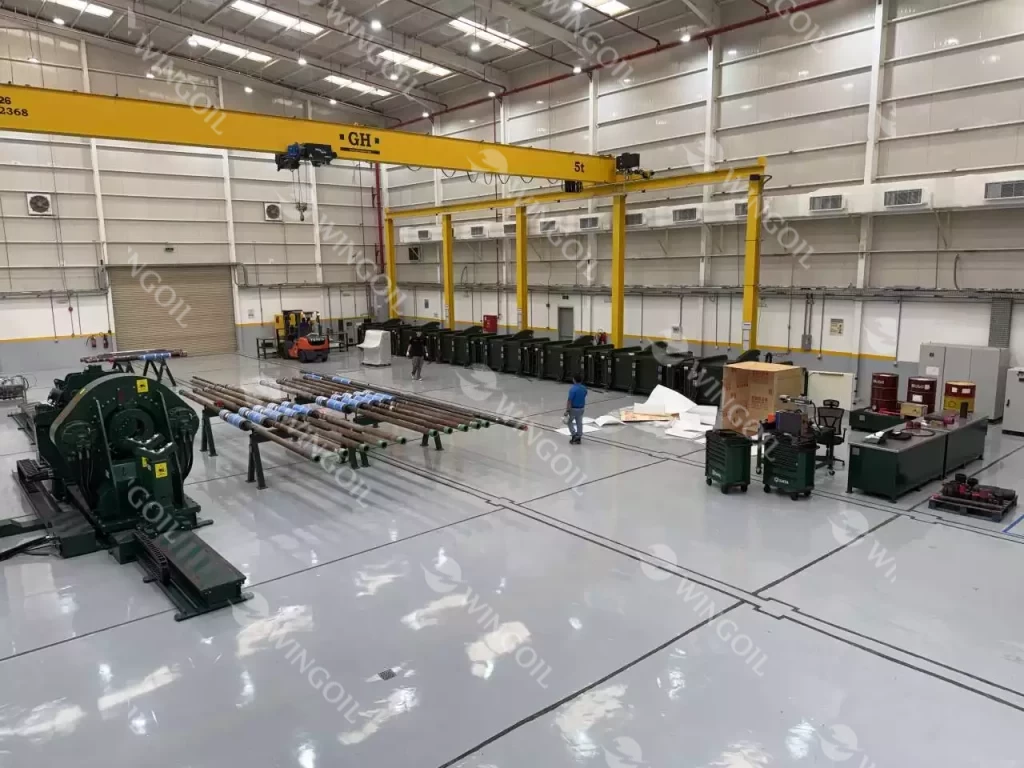
The size of the workpiece that will be used during the testing process is one of the primary considerations when designing a pressure test bay. The modular design makes it easy to adjust the length of the enclosure by putting together several sections.
| Design consideration | Shorter workpieces | Longer workpieces |
| Enclosure layout | A shorter enclosure may be sufficient | Additional sections may be required |
| Loading and unloading | Access and handling clearance remain important | Greater attention is needed for handling and alignment |
| Installation space | May require less floor space | Requires more space for the enclosure and equipment access |
| Configuration planning | Based on workpiece dimensions and test requirements | Based on overall length, handling arrangements, and test requirements |
A longer casing is not necessarily a better choice. An overly large space will increase the installation area, while insufficient internal space will make loading and positioning more complicated. When designing, the overall size of the workpiece and the space required for safe handling should be considered.
The explosion-proof pressure testing chamber of WINGOIL adopts a modular design, allowing for the configuration of different numbers of modules according to project requirements. This method enables the shell layout to be customized based on the tested equipment rather than relying on a single fixed length.
Pressure Test Bay Requirements Across Industrial Applications
The types of pressure-bearing components used in different industries vary. The testing requirements for these components will affect the size of the casing, the selection of the pressure system, the transportation arrangements, and the monitoring measures.
| Industrial application | Typical test workpieces | Key design considerations |
| Oil and gas | Wellhead equipment, valves, and downhole tools | Required test pressure, workpiece dimensions, and containment arrangements |
| Pipeline and industrial manufacturing | Pipes, fittings, and pressure-bearing components | Component length, connections, test medium, and handling |
| Process industries | Valves and other pressure-bearing equipment | Material compatibility, test procedure, and pressure monitoring |
| Equipment testing facilities | Components of varying sizes and specifications | Configuration flexibility, loading arrangements, and test data management |
These applications should not be treated as interchangeable. For example, a long tubular component may require a different enclosure layout from a compact valve, even when both undergo pressure testing. Similarly, the required pressure and test medium depend on the component specifications and applicable test procedure, not simply on the industry in which the equipment is used.
Before selecting a test bay, engineers should identify the intended workpieces, applicable testing requirements, and expected operating conditions. These details provide a more reliable basis for system configuration than industry classification alone.
Skid-Mounted and Vehicle-Mounted Test Bay Configurations
Installation and transportation requirements also affect the overall design. Depending on the project, the pressure test bench may adopt a skid-mounted structure or a vehicle-mounted structure.
| Consideration | Skid-mounted configuration | Vehicle-mounted configuration |
| Primary consideration | Installation and positioning at the designated site | Transportation and deployment between locations |
| Site requirements | Foundation, access, and space for installation | Vehicle access, transport limits, and deployment conditions |
| Design priorities | Equipment arrangement and integration | Overall dimensions, weight, and transport suitability |
| Planning focus | Site layout and operating workflow | Transport logistics and site readiness |
None is more superior than the other. Skid mounting could work well for facilities with testing rooms, whereas vehicle mounting could be one of the options considered if mobility is necessary for the project. The selection will be based on system dimensions, transportation considerations, and operational environment.
It is also vital to differentiate between mounting system and the enclosure itself. Modular test bay and skid mounted are two different things. They could both be used together if engineering considerations allow that.
Customizing a Test Bay for Your Testing Requirements
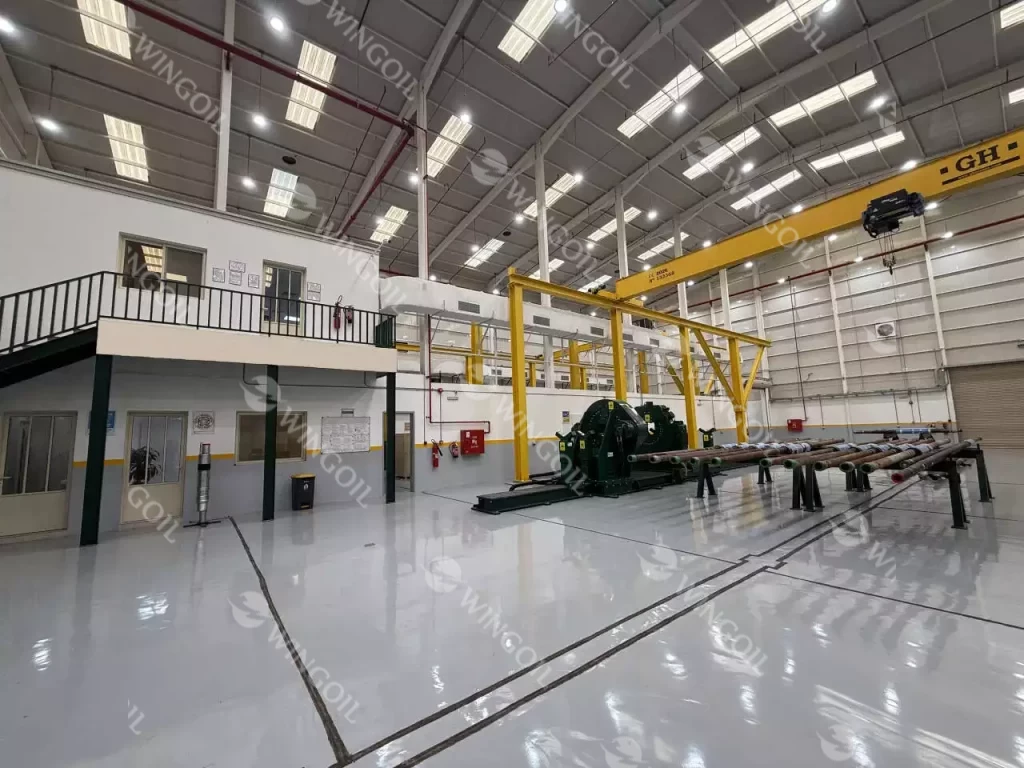
The containerized pressure testing system needs to be customized and configured according to the actual testing tasks. Before the finalization of the plan, the procurement and engineers should focus on verifying the following key points:
Test pressure: Clearly define the pressure range of the workpiece and the testing process, ensuring that the pump body, connectors, and pressure-bearing components meet the requirements of the working conditions
- Test medium: Select the test medium, confirm its compatibility with the system piping and seals
- Workpiece specifications: Provide the maximum length, diameter, weight, and handling requirements of the workpiece, thereby determining the size of the container
- Safety configuration: Based on risk assessment and project requirements, verify the container structure, door interlock, operation specifications, and other protective designs
- Monitoring and data: Confirm whether remote cameras, pressure collection, automatic control, and automatic generation of test reports are needed
- On-site conditions: Verify the placement space, supporting pipelines, transportation channels, and other on-site constraints
Pressure test enclosures, which are explosion-proof pressure test bays, along with pressure testing equipment, are available at WINGOIL with configuration options. In case of specific needs of the project, these features can be incorporated into the system design as required.
In order to give a correct proposal, please provide the dimensions of the workpiece, test pressure, test medium, installation location and preference for the operating system. This information will determine whether there is need for customization of the testing bay.
Related Articles