How to Choose Reliable Oilfield Equipment Manufacturers for Your Business?
In modern oil and gas exploration and production (E&P), operating environments are becoming more severe than ever before. Whether in high-pressure high-temperature (HPHT) deep land wells, the freezing Arctic wilderness, or deep-sea drilling thousands of meters beneath the seabed, every operation of oilfield equipment directly affects the safety and profitability of the entire project.
For EPC contractors, drilling companies, and oilfield service giants, frequent maintenance downtime means losses of tens of thousands of dollars per hour. Therefore, finding an Oilfield Equipment Manufacturer capable of providing high reliability, strict compliance, and precision customization capabilities is core to ensuring project success.
This article will detail the product types provided by oilfield equipment manufacturers, key factors to consider when choosing a supplier, and how to find a partner that matches your project needs.
What is a Professional Oilfield Equipment Manufacturer?
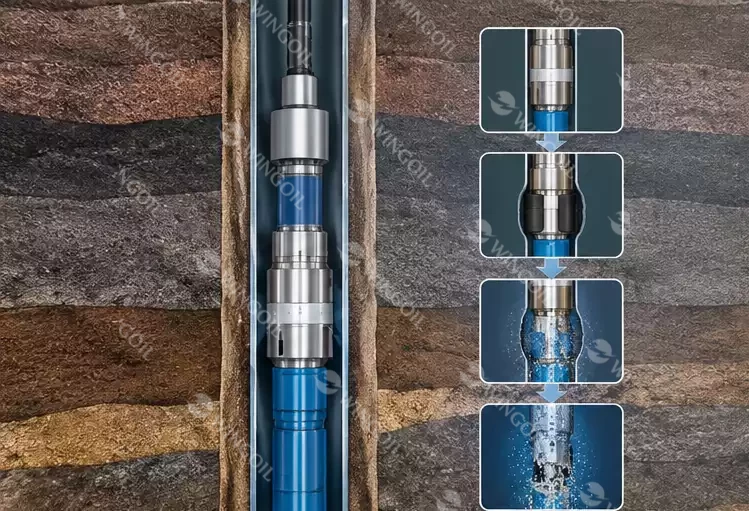
Unlike general industrial equipment suppliers, professional oilfield equipment manufacturers specialize in designing, developing, precision manufacturing, and comprehensively testing equipment specifically for the extreme environments of onshore and offshore oil and gas extraction.
High-quality oilfield equipment manufacturers typically possess the following core technical barriers:
High-Pressure Environment Adaptability: The design pressure of core pressure-containing components (such as manifolds and valves) usually needs to reach 10,000 PSI, 15,000 PSI, or even higher.
Corrosion Resistance & Metallurgy Processes: Proficiency in processing high-grade alloy steels (such as 4130, 4140) and super duplex stainless steel (Duplex Steel), as well as Inconel cladding and tungsten carbide spraying technologies.
Traceable Quality System: Every component, from raw material arrival at the factory to the finished product leaving, comes with a complete Material Test Report (MTR).
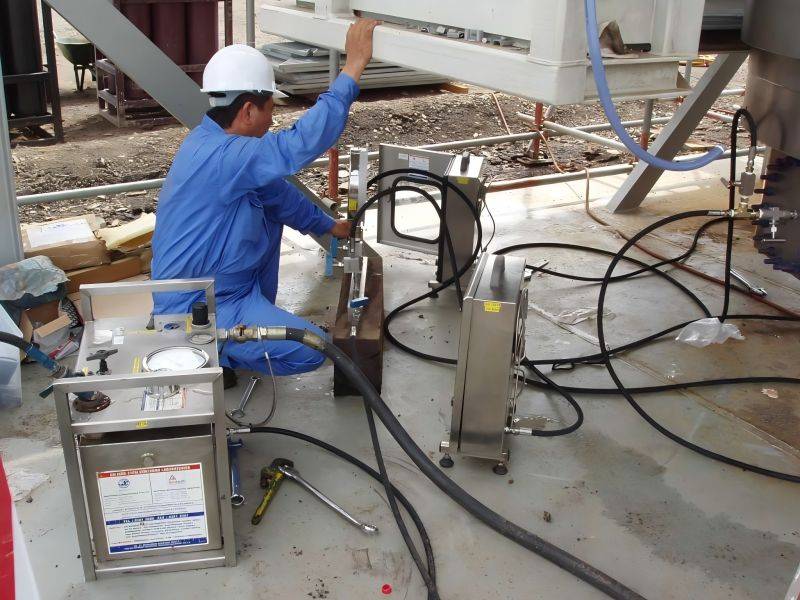
Products from professional manufacturers widely serve oil and gas exploration, drilling engineering, well completion, production, as well as subsequent oilfield maintenance and workover testing.
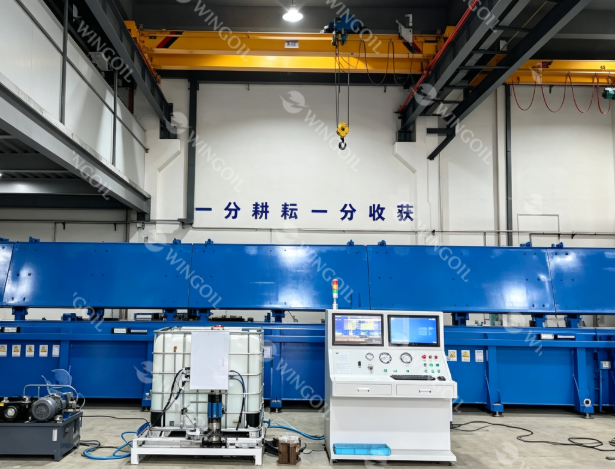
oilfield equipment manfuacturers
What Critical Equipment Do Oilfield Equipment Manufacturers Provide?
Depending on the stage of the oil and gas project, professional Oilfield Equipment Manufacturers typically provide the following four main categories of high-performance fluid control and pressure testing systems:
Drilling & Completion Auxiliary Equipment
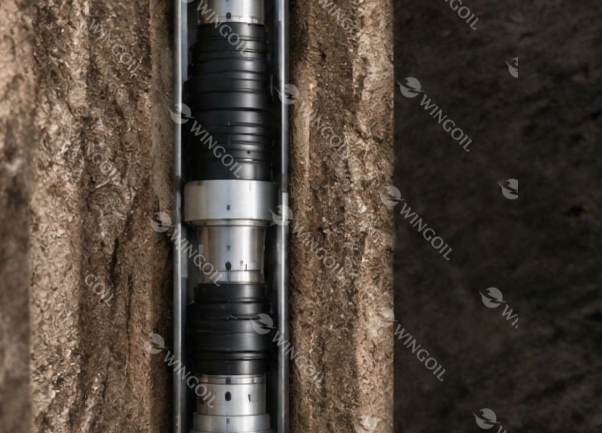
Drilling is a high-load, high-wear phase in oil and gas development. Drilling tools, mud circulation and treatment equipment, and auxiliary accessories provided by manufacturers must possess extremely high wear resistance and tensile strength to minimize downhole accidents caused by equipment fatigue fracture.
Oilfield Pressure Testing Systems
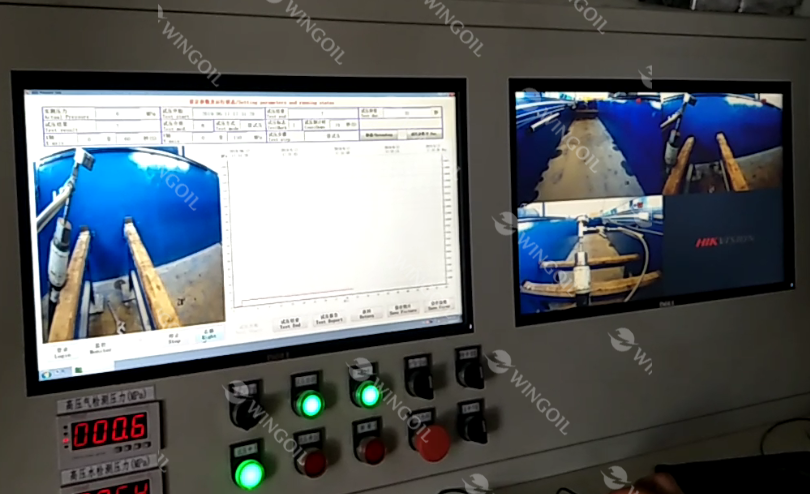
Pressure testing is an indispensable safety line before oil and gas sites are put into production. A range of high-pressure testing equipment provided by professional manufacturers includes:
Hydrostatic Test Pump / Bench: Used for verifying the pressure resistance and sealing performance of valves, pipelines, and wellhead equipment.
High Pressure Testing System: Simulates real operating conditions to provide gas-tightness or hydrostatic integrated testing solutions.
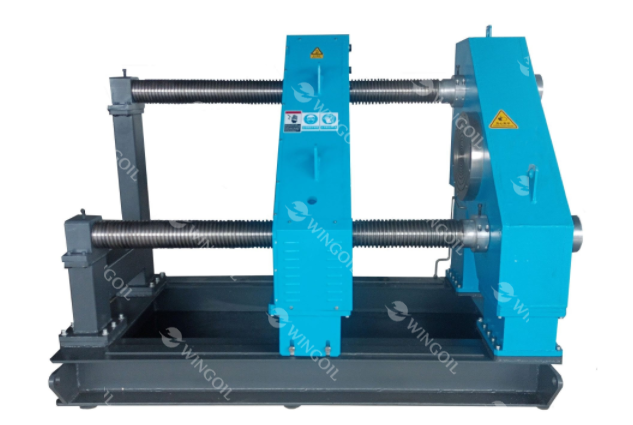
Oilfield Valves & Flow Control Components
As the core of fluid control, the sealing performance of oilfield valves under harsh environments directly determines pressure control safety. Common products include:
Gate Valve & Ball Valve: Used for high-pressure isolation in main trunk lines.
Check Valve & Needle Valve: Achieves one-way backflow prevention and micro-precise flow regulation.
These valves must strictly meet high-pressure sealing and anti-H2S standards (such as NACE MR0175).
Pneumatic & Hydraulic Equipment
Utilizing gas or liquid as power sources to deliver ultra-high pressure output, common equipment includes Air Driven Pressure Pumps (pneumatic liquid booster pumps) and pneumatic gas amplifiers. They are widely used in remote valve control, emergency shutdown systems (ESD) at wellheads, and pipeline pressure compensation in the field.
Key Factors to Consider When Selecting an Oilfield Equipment Manufacturer
Choosing a supplier is not just about comparing prices; more importantly, it is about auditing manufacturing capabilities, product quality, and technical support. When conducting a global supplier audit, you can evaluate deeply from the following aspects:
International Industry Certifications & Compliance
Compliance is a hard entry barrier in the oil and gas industry. Qualified suppliers must possess:
ISO 9001: The foundation of quality management systems.
API Specifications (American Petroleum Institute Standards): For example, API 6A (Wellhead and Christmas Tree Equipment), API 16A (Drill-through and Blowout Prevention Equipment), API 7-1 (Rotary Drill Stem Elements Thread Machining). During procurement, it is crucial to confirm whether they possess the corresponding API manufacturing qualifications or fully comply with its design specifications.
Advanced Manufacturing & Precision Machining Capabilities
Audit whether the factory possesses large-stroke CNC Machining Centers, CNC vertical lathes, and heavy-duty specialized welding equipment. High-precision CNC machining ensures that tolerances for API threads or premium gas-tight connections reach the micrometer level, ensuring zero leakage under ultra-high pressure.
Rigorous Testing & Quality Control (QC)
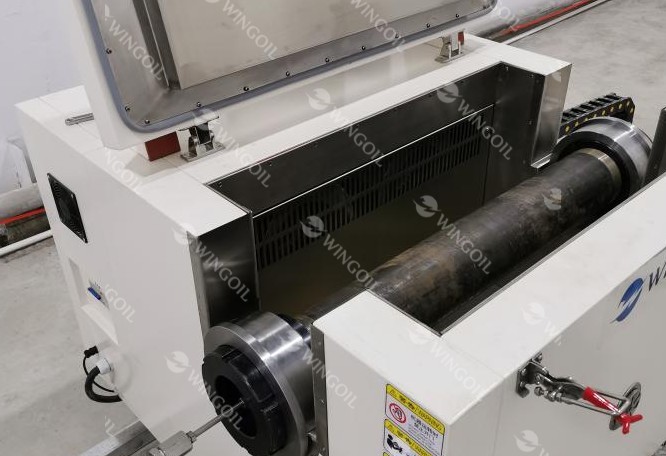
Products must undergo an infallible inspection process before leaving the factory. A manufacturer with a well-equipped laboratory can independently complete the following tests:
| Testing Category | Testing Method | Core Purpose |
| Surface Testing | Magnetic Particle Testing (MT) / Penetrant Testing (PT) | To detect micro-fatigue cracks on the surface of forgings, castings, and welds. |
| Internal Defect Detection | Ultrasonic Testing (UT) / Radiographic Testing (RT) | To detect whether pores, slag inclusions, or deep cracks exist inside the metal. |
| Pressure Verification | Ultra-high pressure hydrostatic / gas-tightness testing | To verify the pressure retention capacity of valves and pressure-containing parts under 10,000 to 20,000 PSI. |
Customization & OEM/ODM Capabilities
Geological conditions vary across different oilfield blocks, and standard products often cannot meet all requirements. Outstanding manufacturers have professional engineering R&D teams that can utilize tools like Finite Element Analysis (FEA) to provide highly customized manufacturing solutions based on client requirements for special dimensions, special pressure ratings (such as 20,000 PSI), or non-standard connection methods.
Key Applications of Oilfield Equipment
High-quality oilfield equipment is the cornerstone for ensuring the safe operation of the global energy supply chain. From conventional surface extraction to extreme deep-sea high-pressure environments, professional oilfield equipment is widely applied in the following core energy sectors:
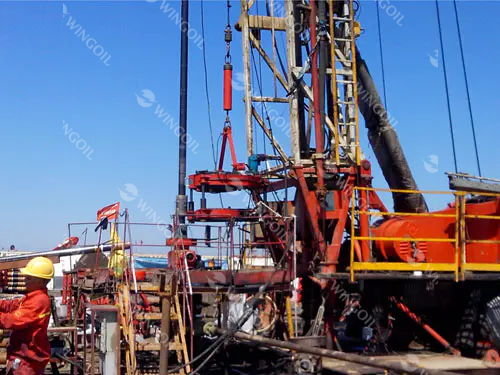
1. Oil & Gas Drilling Operations
Drilling is a high-risk, high-load operational phase where equipment must be capable of withstanding extreme mechanical stress and high loads. Key applications include:
Onshore Rigs: Coping with high-strength drilling in complex geological formations.
Offshore Rigs: Supporting long-term continuous operations of Jack-up or semi-submersible platforms.
Deep-well & Ultra-deep-well Drilling: Providing reliable support and protection under extremely high torque and bottom-hole high-temperature environments.
2. Offshore & Subsea Oilfields
Offshore environments present the most severe challenges to equipment lifecycle and corrosion resistance. Equipment in this sector must feature:
Excellent Corrosion Resistance: Resisting corrosion from high salt spray and mediums containing hydrogen sulfide ($H_2S$) (strictly complying with NACE standards).
Extremely High Equipment Reliability: Reducing maintenance frequency in deep-sea environments to avoid costly non-productive time (NPT) losses.
Long Operational Lifecycle: Ensuring stable service under harsh sea conditions for decades.
3. Well Completion
Well completion is the critical transition phase turning a drilled well into a production well, requiring extremely high pressure-sealing and fluid-channeling capabilities. The equipment focuses on:
Wellhead Control: Ensuring absolute sealing and safety of wellhead equipment under ultra-high pressure.
Pressure Management: Maintaining pressure balance between the formation and the wellbore to prevent blowout accidents.
Flow Control: Precisely directing oil and gas outflow, and managing the processing of fracturing fluids or flowback fluids.
4. Pipeline Maintenance & Integrity
The safety of oil and gas pipeline networks is the lifeline of the industry, where high-pressure testing equipment plays the role of a “safety guard.” It is mainly used for:
Pipeline Hydrotesting: Verifying the maximum pressure-bearing capacity of pipelines before they are put into service.
Leak Detection: Inspecting for micro-leakage risks in valves, flanges, and pipeline welds in advance.
Daily Pressure Verification: Assisting in the completion of periodic safety assessments and life predictions for aging pipelines.
5. Oilfield Service Companies (OFS)
Major oilfield service companies (such as Schlumberger, Halliburton, etc.) rely heavily on stable and portable professional equipment when providing engineering services to operators, supporting their core businesses:
Field Operations Support: Providing fluid pressurization and control for high-intensity operations like fracturing and cementing.
Routine Inspection & Maintenance: Supporting on-site emergency repairs and component replacements for wellhead equipment and manifolds.
Engineering Performance Testing: Providing high-precision data acquisition and on-site pressure calibration.
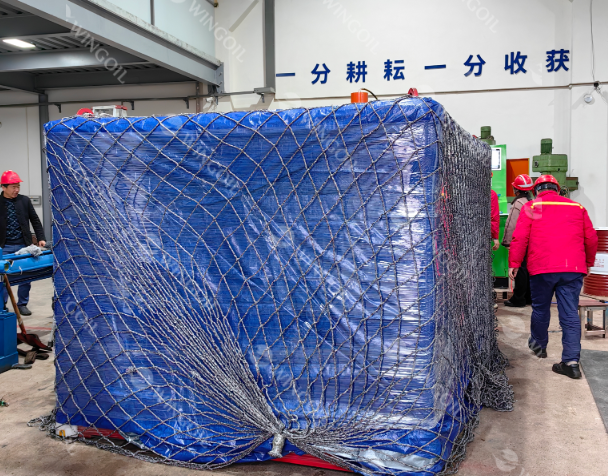
Why Source Directly from Physical Oilfield Equipment Manufacturers?
In overseas procurement, establishing direct cooperation with source-level physical factories (OEM/Manufacturer) yields significant long-term commercial value:
100% Total Quality Traceability
The processing of oilfield equipment (such as API thread turning and welding of pressure-containing parts) allows for no process deviations. Physical manufacturers control the entire process starting from the raw materials entering the steel mill and can directly provide original Material Test Reports (MTRs), heat treatment records, and non-destructive testing (NDT) reports.
Engineer-to-Engineer Communication & Rapid Response
The customization needs of oil and gas projects are extremely high, and communication efficiency directly impacts project schedules.
Directly partnering with a physical factory enables seamless “engineer-to-engineer” communication. Whether it is early DFM (Design for Manufacturability) drawing modifications or urgent on-site technical support, the factory’s R&D team can typically provide concrete solutions within 24 hours.
More Competitive Total Cost of Ownership (TCO)
B2B procurement looks beyond the initial purchase price to focus on the equipment’s lifecycle cost.
Cooperating directly with the manufacturer not only cuts out middleman margins—reducing direct procurement costs—but more importantly, ensures that the factory can provide long-term aftermarket warranties and original spare parts support.
With the factory’s strict control over welding, machining, and anti-corrosion coatings, the resulting equipment delivers a longer operational life, significantly reducing subsequent maintenance costs and NPT (non-productive time) losses caused by equipment failure.
Conclusion: Finding Your Trusted Oil & Gas Manufacturing Partner
In a challenging oil and gas development cycle, every stable operation of equipment is a guarantee of profit. Choosing an Oilfield Equipment Manufacturer with mature manufacturing experience, strict execution of API and ISO quality standards, and robust high-pressure fluid control customization capabilities will inject certainty into your global oil and gas projects.
Customize Your Oilfield Equipment Solution
Wingoil oilfield equipment manufacturer has years of manufacturing experience serving the global oil and gas industry. Whether for the procurement of standard high-pressure testing equipment or the customization of valves and fluid control systems under complex operating conditions, we can provide you with one-stop services from Design for Manufacturability (DFM) analysis and precision machining to final inspection.
Related Articles