What to Consider When Selecting a High-Pressure Booster System for Industrial Testing
It is not only necessary for the pump to be able to achieve the desired pressure when choosing high-pressure testing equipment. The chosen system should have adequate pressure and flow, be compatible with the chosen testing medium, and be able to provide stable conditions during testing. For industrial applications, factors such as pressure control, safety features, material compatibility, and system integration also affect the performance of the equipment.
The considerations listed below can help you assess whether your equipment meets the needs of the actual testing.

1. Define the Required Pressure Range
The first step is to determine the pressure required for the application. Different components, such as valves, pipes, pressure vessels and hydraulic components, may require different test pressures.
Here are the considerations:
- Maximum pressure: It is important to make sure that the equipment can generate pressure at maximum levels without going beyond the rated operating pressures.
- Range of pressure adjustments: It will be important to confirm if the pressure of the output can be adjusted for different tests.
- Pressure rating for parts: Make sure that the pumps, fittings, hoses, and connectors are rated to operate at the desired pressure level.
For tests using gas pressurization, a high-pressure gas booster system will be needed. The operating principle for the gas boosters and the liquid pressure boosters is different.
2. Evaluate Flow Rate and Pressurization Time
Maximum pressure alone does not determine how efficiently a testing system operates. Flow rate also affects how quickly a test component reaches the target pressure.
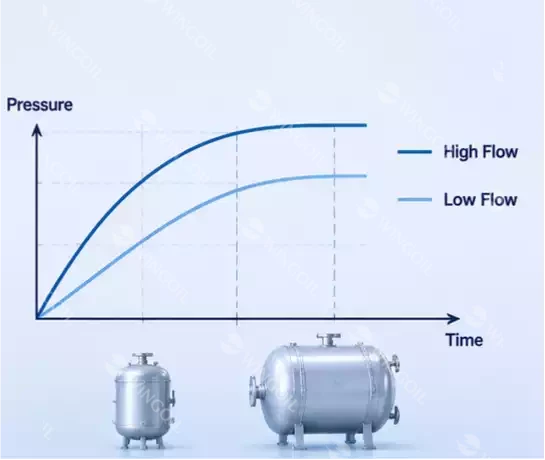
A larger test chamber or component with greater internal volume generally requires more fluid to reach the specified pressure. If the flow rate is insufficient, pressurization may take longer and reduce overall testing efficiency.
When comparing systems, consider:
- Required output flow rate at the operating pressure.
- Internal volume of the test component.
- Expected pressurization time.
- Whether the system needs to support continuous or intermittent testing.
The relationship between pressure and flow should be evaluated under actual operating conditions rather than relying only on the maximum values listed in equipment specifications.
3. Choose the Right Test Medium
The test medium determines which type of booster system and wetted materials are suitable for the application.
Common considerations include:
- Water: Widely used in hydrostatic testing of valves, pipelines, and pressure vessels.
- Ethylene glycol mixtures: Used in applications requiring specific fluid properties or temperature-related considerations.
- Compressed air or other gases: Require gas-compatible booster equipment, seals, connections, and pressure control components.
A liquid pressure boosting system should not automatically be considered suitable for gas testing. Check the equipment’s intended medium and material compatibility before making a selection.
4. Consider Pressure Holding and Control Requirements
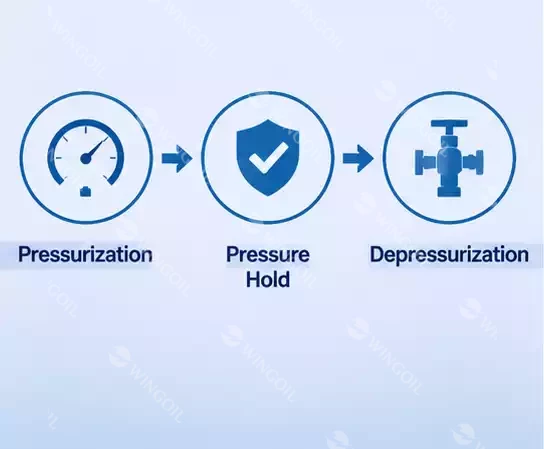
Reaching the target pressure is only one part of the testing process. Many industrial pressure tests require the system to maintain a specified pressure for a defined period.
Important features to evaluate include:
- Stable pressure regulation during pressurization.
- Reliable pressure holding during the test.
- Clear pressure monitoring and adjustment.
- Controlled pressure release after testing.
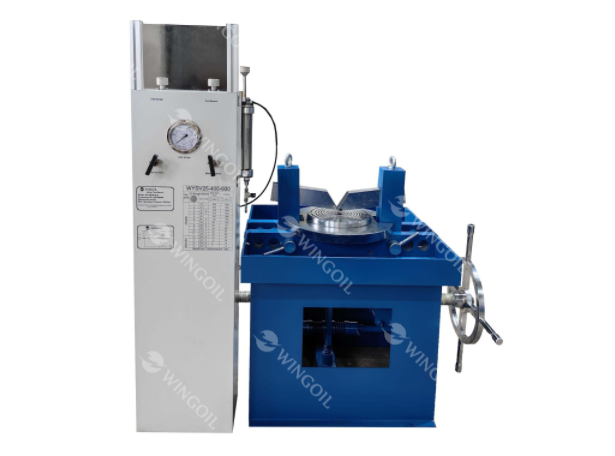
For example, Wingoil’s Pressure Boosting System uses two air-driven hydraulic pumps connected in series. During the pressure-holding stage, the system does not require additional energy to maintain pressure. This design can help reduce unnecessary energy consumption during testing.
5. Check Safety Features and Pressure Relief Design
High-pressure equipment requires appropriate protection against unexpected pressure changes and operating risks.
Before selecting a system, check whether it includes:
- Emergency stop controls.
- Manual or automatic pressure relief devices.
- Pressure-rated piping and connections.
- Suitable protection against overpressure.
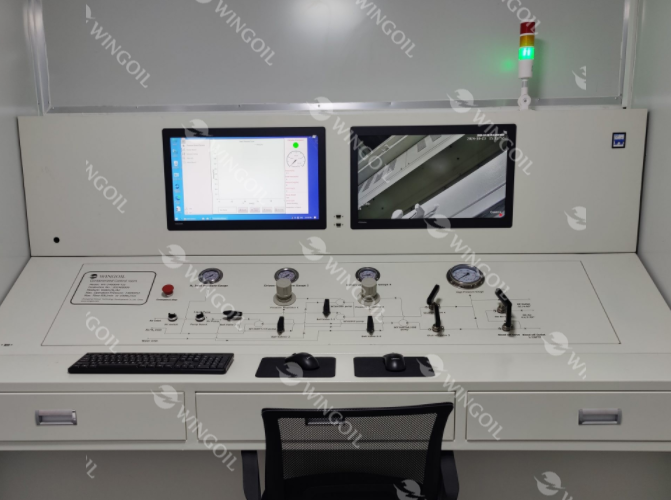
- Remote operation or physical separation where required.
For applications involving potentially hazardous gases or test conditions, additional enclosure and explosion-protection requirements may apply. These should be evaluated according to the specific process and applicable safety standards.

6. Assess Material Compatibility and Maintenance
Materials that are employed in a boosters system have direct implications on the life span and viability of the system with the test media.
Be aware of what the materials of pumps, valves, seals, tubing, and any other parts that would interact with the test media are made of. It is possible that stainless steel components could work for industrial uses, but still must be compatible with the actual medium being used.
Also take maintenance into consideration. Parts that are easy to access, have replaceable seals, and simple inspection processes could help maintain your equipment.
7. Consider System Integration and Customization
The booster unit must be able to be integrated into the existing test process and not function as a standalone apparatus.
Think about whether it will be possible to integrate all the test connections, control mechanisms, space, and procedures. Special configurations can also prove handy in situations where the facility processes several types of components.
Wingoil offers high pressure boosting solutions for industrial applications. These systems are configurable according to pressure and media requirements.
Selecting a Booster System for Your Application
Choosing a high-pressure booster system involves balancing pressure capacity, flow rate, test medium, pressure control, and safety requirements. Evaluating these factors together helps ensure that the selected equipment matches the actual testing process rather than simply meeting one maximum pressure specification.
For industrial liquid pressure testing, explore Wingoil’s Pressure Boosting System to learn more about its equipment configuration and available solutions.
Related Articles