How an Explosion-Proof Pressure Test Chamber Is Used for High-Temperature and High-Pressure Testing of Downhole Tools?
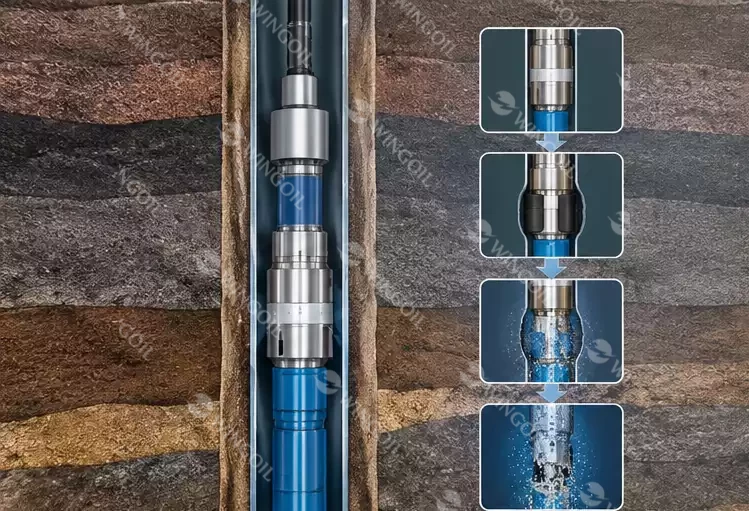
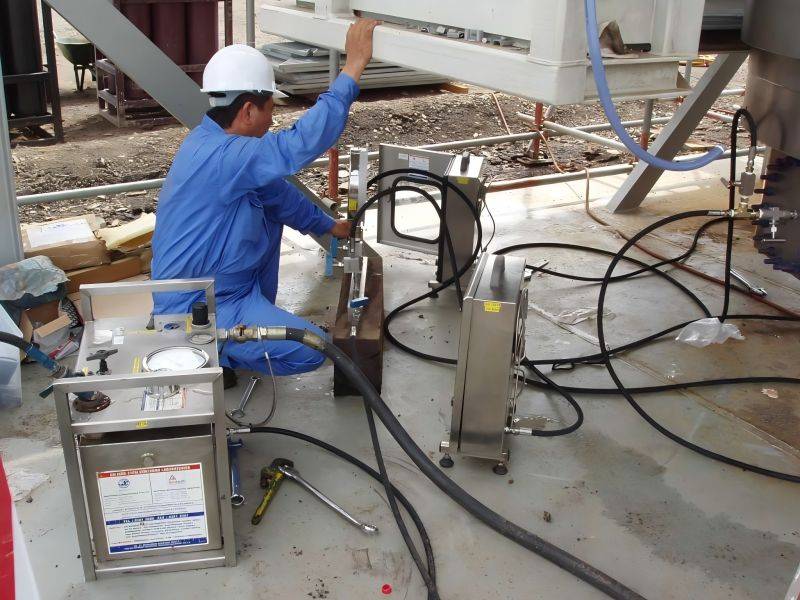
Downhole tools typically operate in complex underground environments during oil and gas exploration and production. As well depth increases, these tools may be exposed to high temperatures and pressures for extended periods, as well as pressure fluctuations, sealing media, and other challenging operating conditions. Therefore, conducting High Temperature and High Pressure (HTHP) testing before downhole tools are deployed in actual operations is an important step in verifying their performance and reliability.
Conventional pressure testing is mainly used to verify the pressure-bearing capability of equipment. However, for tools designed to operate in complex downhole environments, a single pressure test may not be sufficient to fully simulate actual operating conditions.
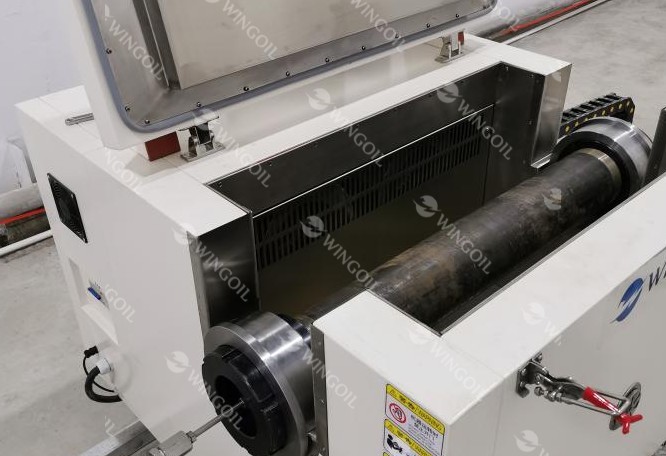
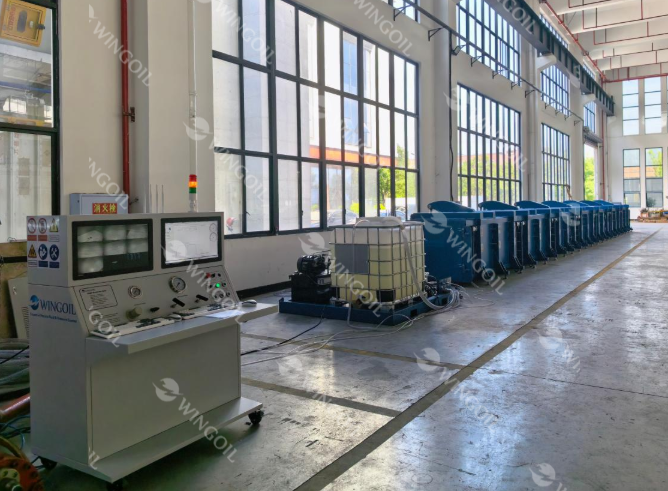
An Explosion-Proof Pressure Test Chamber provides a relatively enclosed and controlled testing environment. By controlling pressure and temperature, it can be used to perform high-temperature and high-pressure tests on downhole tools, helping evaluate their performance, sealing capability, and structural integrity under simulated downhole conditions.
Why Do Downhole Tools Require High-Temperature and High-Pressure Testing?
Downhole tools are exposed to the combined effects of temperature and pressure during actual operations. In particular, deep wells, ultra-deep wells, and complex oil and gas wells may have downhole conditions that differ significantly from those encountered during conventional surface testing.
Therefore, HTHP testing is mainly performed for the following purposes.
1. Verify Pressure Resistance
By gradually increasing the test pressure, engineers can verify whether a downhole tool can withstand its specified pressure and maintain stable performance at the target pressure.
2. Check Sealing Performance
Many downhole tools contain sealing structures, connection components, or pressure-control components. High temperature and high pressure can affect the performance of sealing elements. Therefore, testing under simulated operating conditions helps determine whether leakage occurs.
3. Verify Performance at High Temperatures
Materials and sealing components may behave differently under elevated temperatures. High-temperature testing helps determine whether the tool can maintain its intended performance at the specified temperature.
4. Check Structural Integrity
The combined effects of high temperature and high pressure may affect the structural integrity of a tool. After testing, the tool can be inspected for deformation, damage, cracks, or other abnormalities.
5. Improve Operational Reliability
By simulating high-temperature and high-pressure downhole conditions in a laboratory or controlled testing facility, potential problems can be identified before field deployment, helping reduce the risk of tool failure during actual operations.
Why Use an Explosion-Proof Pressure Test Chamber for Testing?
For downhole tool testing in the oil and gas industry, testing equipment must not only meet high-pressure and high-temperature testing requirements, but also provide adequate safety, stability, and precise control of testing parameters.
An Explosion-Proof Pressure Test Chamber provides a more controlled testing environment through an enclosed test space, pressure control, temperature control, and multiple safety protection systems. This makes it suitable for HTHP testing of downhole tools.
Its key advantages include:
- Enclosed Testing Environment: The downhole tool is placed inside the pressure test chamber, providing isolation from the external environment while allowing testing conditions such as pressure and temperature to be controlled in a centralized manner.
- High-Pressure Testing Capability: The target pressure can be established according to the downhole tool and applicable testing requirements. Stable pressure conditions can then be maintained during testing to support pressure strength and performance testing.
- High-Temperature Simulation: Heating and temperature control systems can simulate elevated downhole temperatures, allowing tools to be tested under conditions that more closely represent their actual operating environment.
- Explosion-Proof Design: The system is designed with the safety requirements of oil and gas testing environments in mind, providing enhanced protection for operators and equipment when flammable gases or high-energy testing conditions may be present.
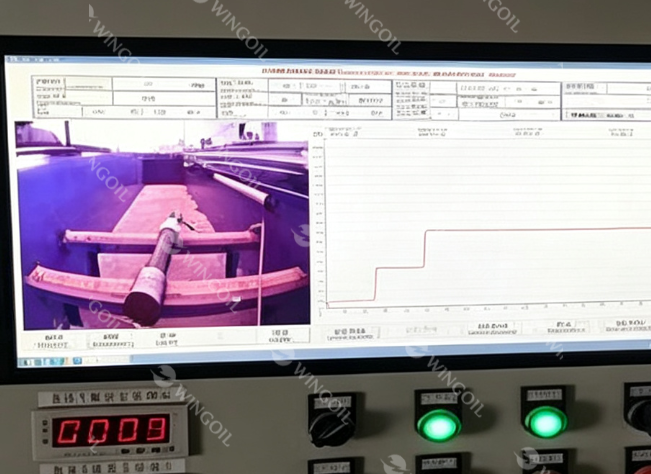
- Real-Time Parameter Monitoring: Key parameters such as pressure and temperature can be continuously monitored and recorded, providing test data for evaluating tool performance under different operating conditions.
- Multiple Safety Controls: Pressure protection, temperature protection, safety interlocks, emergency shutdown systems, and other measures can be incorporated to respond to abnormal conditions and reduce potential safety risks during HTHP testing.
Therefore, for downhole tools requiring High Temperature and High Pressure (HTHP) testing, an Explosion-Proof Pressure Test Chamber is not simply a pressure-testing enclosure. It is an important part of the HTHP testing system for environmental simulation, parameter control, and safety protection.
How to Perform High-Temperature and High-Pressure Testing of Downhole Tools?
When using an Explosion-Proof Pressure Test Chamber for High Temperature and High Pressure (HTHP) Testing, the test procedure should be developed according to the technical specifications of the downhole tool, applicable testing standards, and actual operating conditions.
A typical testing process includes test preparation, tool installation, heating, pressurization, pressure holding, and data recording.
1. Test Preparation
Before testing, determine the downhole tool model, maximum test pressure, target test temperature, test medium, pressure and temperature holding time, applicable testing standards, and acceptance criteria.
The downhole tool, seals, connections, pressure lines, and pressure test chamber should also be inspected. Pressure and temperature sensors, as well as safety protection systems, should be checked to ensure that they are functioning properly.
2. Install the Downhole Tool
Install the downhole tool inside the Explosion-Proof Pressure Test Chamber and connect the required test lines, pressure interfaces, and instrumentation.
The tool should be securely fixed, all connections should be correctly installed, and sealing components should be properly positioned. After installation, the chamber and all connections should be checked for proper sealing.
3. Establish the High-Temperature Environment
Set the target temperature according to the test procedure and gradually increase the chamber temperature using the heating and temperature control system.
During the heating process, parameters such as Chamber Temperature and Tool Temperature should be continuously monitored. Once the target temperature is reached and stabilized, the system can proceed to the pressurization stage.
4. Establish the Test Pressure
After reaching the target temperature, gradually increase the pressure through the pressure system until the specified Test Pressure is reached.
During pressurization, pressure changes should be continuously monitored, while the tool, seals, and connection points should be checked for leakage or abnormal conditions.
5. Conduct the HTHP Holding Test
Once the target temperature and pressure have been reached, maintain the specified conditions for the required Holding Time.
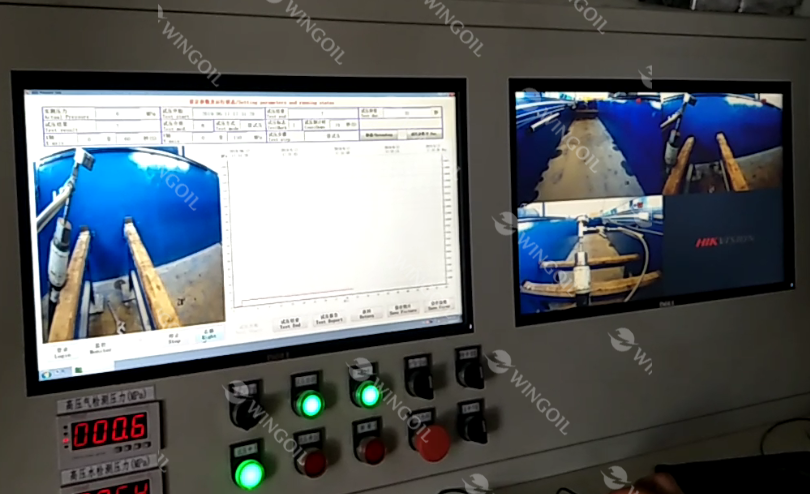
During this stage, the system continuously records key parameters such as pressure, temperature, pressure fluctuations, and leakage conditions.
What Performance Does HTHP Testing Evaluate?
Using an Explosion-Proof Pressure Test Chamber for downhole tool HTHP Testing is not simply about determining whether a tool can withstand pressure. More importantly, it evaluates the tool’s reliability, sealing performance, and operational performance under simulated high-temperature and high-pressure downhole conditions.
Pressure Resistance
Verify whether the downhole tool can maintain structural integrity and withstand continuous pressure loading at the specified test pressure without abnormal deformation or structural failure.
Temperature Resistance
Evaluate the stability of the tool’s materials and functions under the target high-temperature conditions and determine whether prolonged exposure to elevated temperatures affects its performance.
Sealing Performance
Check whether the internal sealing system and connection points can maintain effective sealing under the combined effects of high temperature and high pressure.
Leakage Performance
Pressure changes and other test data can be monitored to determine whether leakage occurs during testing and to further evaluate the reliability of the tool’s sealing system.
Structural Integrity
After HTHP testing, the tool should be inspected to determine whether any of the following conditions have occurred:
- Deformation
- Cracks
- Damage
- Seal Failure
- Connection Problems
Operational Performance
For downhole tools with moving, control, or other functional components, additional functional tests can be performed according to the test requirements. This helps determine whether the tool can maintain normal operation under high-temperature and high-pressure conditions.
These tests provide a more comprehensive evaluation of the safety and reliability of downhole tools under high-temperature, high-pressure, and prolonged operating conditions, rather than focusing solely on pressure resistance.
Key Parameters for Downhole Tool HTHP Testing
To ensure that downhole tool HTHP Testing produces representative and repeatable results, appropriate test parameters should be determined before testing based on the tool’s design requirements, actual downhole conditions, and applicable standards.
The following parameters are particularly important.
Test Pressure
Test Pressure is one of the core parameters of HTHP testing. It is typically determined based on the downhole tool’s design pressure, rated working pressure, and actual operating conditions. Pressure should be gradually established and controlled according to the testing procedure to avoid exceeding the allowable limits of the equipment or tool.
Test Temperature
Test Temperature is used to simulate the elevated temperatures experienced by downhole tools during actual operation. The target temperature should be determined based on well depth, downhole conditions, tool specifications, and applicable testing requirements, and should be maintained within the specified range through the temperature control system.
Holding Time
Holding Time refers to the period during which the tool remains under the specified pressure and temperature conditions after reaching the target values.
Maintaining the required pressure and temperature for a defined period allows engineers to evaluate pressure stability, sealing performance, and the overall operating condition of the tool under sustained HTHP exposure.
Test Medium
The Test Medium should be selected according to the testing objective, tool type, and applicable testing standards. Different test media can affect pressure transmission, sealing performance, and test results. Therefore, the selected medium should be compatible with both the testing system and the tool being tested.
Pressure and Temperature Monitoring
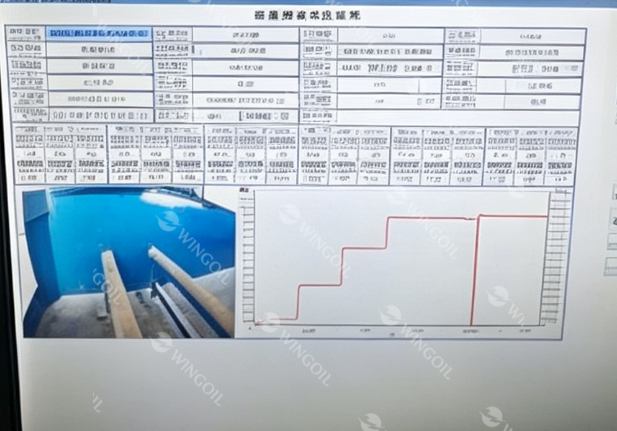
Pressure and temperature should be continuously monitored and recorded throughout the test to ensure that the actual testing conditions remain within the specified ranges.
Real-time data also helps identify abnormal pressure changes, temperature fluctuations, or other testing issues, providing important information for test analysis and safety control.
What Downhole Tools Can Be Tested in an Explosion-Proof Pressure Test Chamber?
Depending on its pressure rating, temperature range, chamber dimensions, test medium, and control system configuration, an Explosion-Proof Pressure Test Chamber can be used for HTHP testing of various downhole tools and oilfield equipment.
Common test objects include:
- Downhole Tools: Various downhole tools and related components can be tested to evaluate their performance and reliability under high-temperature and high-pressure conditions.
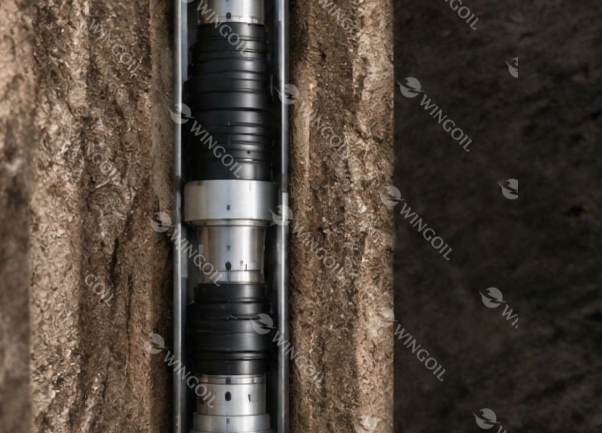
- Completion Tools: Completion equipment, such as packers, can be tested to evaluate pressure resistance and sealing performance.
- Downhole Valves: Downhole valves can be tested to evaluate valve body integrity, sealing systems, and operational performance under HTHP conditions.
- Well Intervention Tools: Well intervention and workover tools can be tested under simulated pressure and temperature conditions representative of actual operations.
- Pressure-Containing Components: Pressure-containing components and pressure-control components can be tested to verify structural integrity and pressure-holding capability.
- Other Oilfield Equipment: Other oilfield equipment or critical components requiring high-temperature and high-pressure environmental simulation can also be tested.
The specific types of tools that can be tested, as well as the maximum test pressure, test temperature, and test dimensions, should be determined based on the design specifications of the Explosion-Proof Pressure Test Chamber, the specifications of the test object, and the applicable testing standards.
Wingoil Explosion-Proof Pressure Test Chamber for Downhole Tool HTHP Testing
For high-temperature and high-pressure testing of downhole tools, a safe, stable, and controlled testing environment is essential.
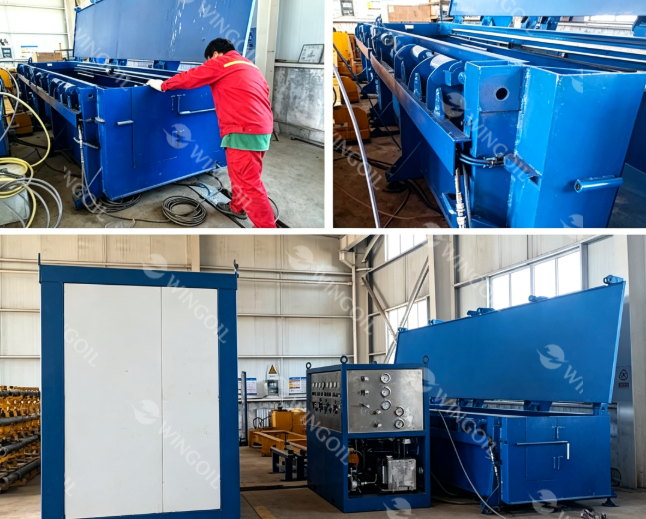
Wingoil’s Explosion-Proof Pressure Testbay Box is designed for high-pressure, pressure, and temperature testing applications. It can be used to test downhole tools, valves, pressure vessels, gas cylinders, and other oil and gas equipment.
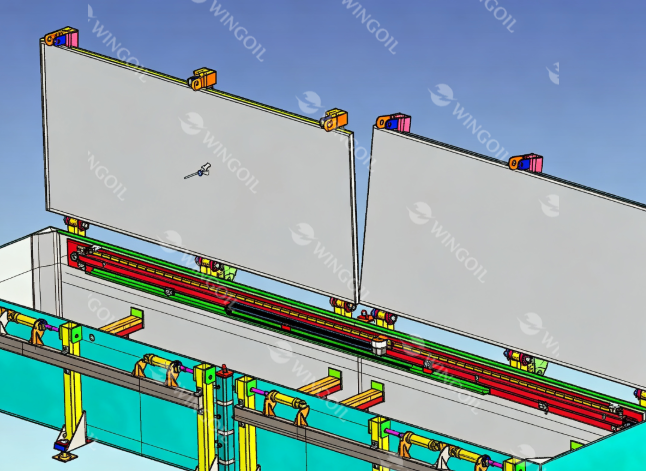
The system features a modular, containerized design that can be configured according to the size of the test object and specific testing requirements. It supports maximum working pressures of up to 1,000 bar (15,000 psi) and is equipped with 70 mm high-strength protective walls, safety interlocks, and a remote PTZ video monitoring system, providing reliable protection for high-pressure testing operations.
The system also integrates pressure intensification, real-time data monitoring, remote control, and automated test report generation. It can be supplied as a skid-mounted or vehicle-mounted system to support different on-site testing applications.
Key Features
- Maximum working pressure: 1,000 bar / 15,000 psi
- Modular design with customizable configurations
- 70 mm high-strength protective walls
- 6 adjustable remote PTZ cameras with night vision
- Safety interlock system for the test chamber door
- Real-time data monitoring and test report generation
- Supports water and glycol-based test media
- Suitable for downhole tool pressure and temperature testing
Conclusion
Downhole tools are exposed to high temperatures, high pressures, and other demanding conditions during oil and gas operations. Therefore, conducting high-temperature and high-pressure (HTHP) testing before field deployment is essential for verifying their performance, sealing integrity, and reliability. An explosion-proof pressure test chamber provides a safer and more controlled environment for simulating these conditions and comprehensively evaluating downhole tool performance.
If you are looking for an explosion-proof pressure test chamber for high-temperature and high-pressure testing of downhole tools, please feel free to contact Wingoil. We also provide customized solutions based on your specific testing requirements.
Related Articles